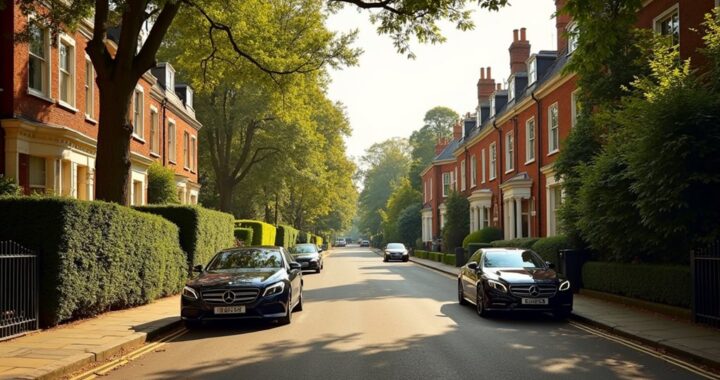


Like a tide that turns before it crests, Margate’s property market is showing signs of change. You’ll find prices shaped by regeneration, transport links, seaside appeal, and tighter mortgage conditions rather than by momentum alone. Recent growth has moderated, while seafront and historic districts still attract premiums. Compared with Broadstairs, Margate remains relatively accessible—but whether today’s gains signal sustainable growth depends on what happens next.
What Are Margate Property Prices Today?
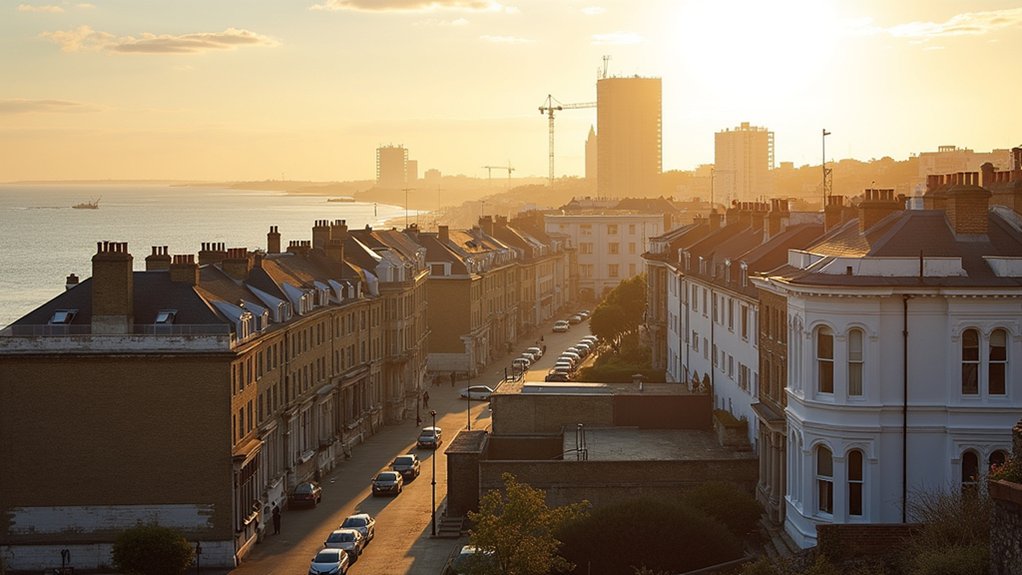
Margate property prices currently reflect a market where location, property type, and condition strongly influence value, with typical homes selling for around £300,000–£350,000.
You’ll generally pay more for renovated properties near the seafront, Old Town, and Cliftonville’s sought-after streets, while homes requiring work can sit below the local median.
Flats often provide a lower entry point, although Luxury apartments with sea views command substantial premiums.
Family houses with gardens remain competitive, particularly close to schools and transport links.
If you’re evaluating investment potential, compare achievable rents with purchase prices rather than relying on headline figures.
Rental yields can vary widely between compact flats, holiday-oriented accommodation, and larger houses, reflecting demand, operating costs, and occupancy.
Always examine recent comparable sales, property condition, and local listing evidence before judging whether an asking price represents fair value.
How Have Margate Property Prices Changed?
Over the past decade, Margate property prices have generally risen, although growth hasn’t been uniform across every neighbourhood or property type. If you’re assessing the trend, focus on the drivers behind each phase rather than relying on headline averages.
- 2014–2019: Improving transport links, coastal regeneration and London buyer interest supported steady capital growth.
- 2020–2022: Pandemic demand lifted prices sharply as buyers prioritised space, affordability and seaside living.
- 2023–2024: Higher mortgage rates reduced purchasing power, extending selling times and creating market volatility.
- Today: Price growth looks more measured, but lower entry costs than many southern markets still create investment opportunities.
You’ll get a clearer picture by comparing achieved sale prices, not asking prices, and separating flats from houses.
Local transaction volumes also matter: fewer sales can make annual averages appear unusually strong or weak.
For you, the key lesson is that Margate’s long-term direction remains positive, but timing, property quality and financing costs increasingly influence returns.
Which Margate Areas Command the Highest Prices?
You’ll see Margate’s price hierarchy most clearly by comparing Cliftonville’s recent trends with Westgate’s growing premium.
Seafront homes typically command the highest values, reflecting views, lifestyle appeal, and limited supply.
The following sections assess how these factors shape local price differences.
Cliftonville Price Trends
Cliftonville has emerged as one of Margate’s most closely watched property markets, combining comparatively accessible prices with strong buyer and investor demand. If you’re evaluating value, track how these factors shape local performance:
- Price movement: Terraced homes and converted flats typically offer lower entry points than Margate’s seafront hotspots, though renovated stock commands a clear premium.
- Demand drivers: Cafés, creative spaces, transport links, and proximity to the coast support steady tenant and purchaser interest.
- Historical market analysis: Recent cycles show Cliftonville responding strongly when affordability improves, but weaker conditions can expose its higher proportion of investment-led housing.
- Future investment prospects: You’ll find potential in refurbishment, energy upgrades, and well-managed rentals, provided you verify yields, licensing requirements, and building costs.
Compare sold prices, not asking prices, and separate street-level performance from broad area averages before committing.
Westgate Property Premiums
Westgate-on-Sea typically commands a premium over many Margate neighbourhoods, particularly for well-presented period homes, larger family properties, and residences near the seafront. If you’re comparing listings, expect buyers to pay more for generous floorplans, private gardens, parking, and strong presentation.
Historic architecture, including Victorian terraces and distinctive detached houses, supports pricing because it offers character that newer stock often lacks. Luxury developments can also achieve higher values when they provide efficient layouts, quality finishes, and practical amenities.
You’ll usually find the sharpest premiums in streets with consistent upkeep, convenient rail access, and a quieter residential profile. However, don’t assume every Westgate address outperforms Margate: condition, tenure, energy performance, and exact micro-location still drive the valuation.
Compare sold prices, not optimistic asking prices, before judging the premium.
Seafront Home Values
Seafront homes typically command Margate’s highest premiums, especially along the Harbour, Marine Terrace, and Westbrook-facing stretches where direct views, balconies, parking, and period character combine to attract affluent buyers. You’ll usually pay more for uninterrupted outlooks, but pricing varies sharply by floor, condition, tenure, and service charges.
- Harbour: Prime views and restaurant access support the strongest resale demand.
- Marine Terrace: Period flats attract lifestyle buyers, though maintenance can reduce net returns.
- Westbrook: Larger houses offer space and scarcity, often appealing to families.
- Luxury developments: New-build specifications command premiums, yet you should scrutinise charges and completion quality.
For investors, Rental yields may look attractive, particularly with short lets, but seasonality, regulation, and furnishing costs affect income.
Compare sold prices, achieved rents, and days on market—not asking prices—to identify genuine value. You’ll gain confidence by separating view premiums from overpricing.
What Is Driving Demand for Margate Homes?
Demand for Margate homes is being driven by a combination of relative affordability, coastal lifestyle appeal and improving connectivity. If you’re evaluating demand, you’ll see buyers increasingly value period architecture, creative venues and walkable access to the beach, station and town centre.
Lifestyle appeal attracts remote workers, downsizers and households seeking more space without abandoning cultural amenities. Tourist influence also supports investor interest: visitor spending strengthens hospitality activity and can sustain demand for well-located short-term accommodation, although regulation and seasonal occupancy affect returns.
Improving rail links to London widen the potential buyer pool and encourage commuting flexibility. You should also watch local employment, mortgage costs and available stock, as these factors determine whether interest converts into completed purchases.
Together, they create a broader, more resilient demand base.
How Do Margate Prices Compare Locally?
When you compare Margate with nearby Thanet markets, you’ll find prices vary sharply by location, property type and proximity to the coast. Use recent sold-price data, not asking prices, to judge the gap.
- Margate: You’ll generally find a broader mix, from affordable terraces inland to premium seafront apartments, creating a wide median range.
- Broadstairs: You’ll typically pay more for polished housing, stronger school appeal and established coastal demand.
- Ramsgate: You may secure better value, particularly for period terraces, while marina and waterfront homes command premiums.
- Deal comparison: Margate can look cheaper than several east-Kent coastal alternatives, but condition and street-level location matter.
For investors, Rental yields may appear stronger in lower-priced Margate stock, though refurbishment costs can reduce returns.
Market speculation around regeneration can also widen asking-price gaps, so compare like-for-like homes, gross yields and completed transactions before deciding.
Is Margate Property Growth Sustainable?

Margate’s property growth looks sustainable only if rising prices continue to be supported by completed sales, employment, rental demand and improvements in local housing quality—not speculation alone. You should compare achieved prices with asking prices, transaction volumes and average time on market.
Stronger fundamentals appear when homes sell consistently, rather than when a few standout deals reset expectations.
Luxury apartments can attract investment, but their performance may overstate wider market strength if supply is limited. You’ll also need to test Rental yields against mortgage costs, maintenance, insurance and potential void periods.
If rents rise alongside prices, landlords may sustain demand; if yields compress sharply, investors could retreat.
Watch affordability, planning approvals and infrastructure delivery. Sustainable growth should broaden across different property types and income bands, not depend solely on coastal prestige or short-term buyer optimism.
Reassess quarterly using fresh sales and rental evidence.
Frequently Asked Questions
What Are the Average Rental Yields for Landlords in Margate?
You can typically expect gross rental yields of around 5–7% in Margate, depending on property type, purchase price, location, and achievable rent.
Smaller flats often produce stronger yields, while coastal houses may deliver lower percentages but better long-term appeal.
Calculate net returns after mortgage interest, maintenance, insurance, voids, management fees, and tax.
Margate’s rental income and investment potential remain attractive, but you should compare each deal’s projected cash flow carefully before committing capital.
How Much Deposit Do Buyers Typically Need for a Margate Property?
You’ll typically need a 5–10% deposit to buy a Margate property, although 15–25% can secure more competitive mortgage rates and improve affordability.
First-time buyers may find 5% options, subject to lender criteria, income, and credit history.
Strong Market demand can intensify competition, so larger Deposit requirements may help your offer stand out.
Budget separately for surveys, conveyancing, stamp duty, and mortgage fees, which can add several thousand pounds overall.
What Are the Conveyancing Costs When Purchasing a Margate Home?
You’ll typically pay £1,000–£2,000 plus VAT for conveyancing when purchasing a Margate home, because apparently buying bricks requires a small legal expedition.
Your bill may include searches (£250–£400), Land Registry fees, bank-transfer charges, and, if leasehold, extra management-pack costs.
Budget separately for Stamp Duty and surveys.
Ask your solicitor for a fixed-fee quote covering all legal procedures, and keep funds available for property renovation surprises after completion.
Which Local Schools Are Closest to Margate’s Most Popular Residential Areas?
You’ll find Margate’s popular Cliftonville homes closest to Cliftonville Primary and Hartsdown Academy.
While central properties sit near Margate Primary and Dane Court Grammar in nearby Broadstairs.
Westgate-on-Sea buyers can access Ursuline College and Garlinge Primary.
Palm Bay residents benefit from Palm Bay Primary and Charles Dickens School.
Compare current School rankings, Ofsted reports, catchment boundaries, transport times, and Local sports facilities before judging each neighbourhood’s family appeal and value.
How Long Does It Typically Take to Sell a Property in Margate?
You’ll typically sell a Margate property in 8–16 weeks, though the market’s tide can turn quickly.
Well-priced homes in desirable neighbourhoods may attract offers within days, while overpriced or less competitive listings can linger for months.
Market fluctuations, mortgage affordability, presentation, and buyer demand all influence your timeline.
Track comparable sales and adjust promptly.
Strong property appreciation can support pricing, but realistic valuations usually secure faster, smoother transactions and completion.
Conclusion
Margate’s property market is climbing a measured hill, not racing towards a summit. Since 2014, improved transport, regeneration, and coastal appeal have strengthened demand, while higher mortgage rates have slowed the ascent. You’ll still find premium prices near the seafront and historic quarters, but Margate remains comparatively accessible beside Broadstairs. If infrastructure keeps pace and economic conditions stabilise, the town’s upward journey should remain sustainable—offering you growth potential without requiring speculative leaps.