
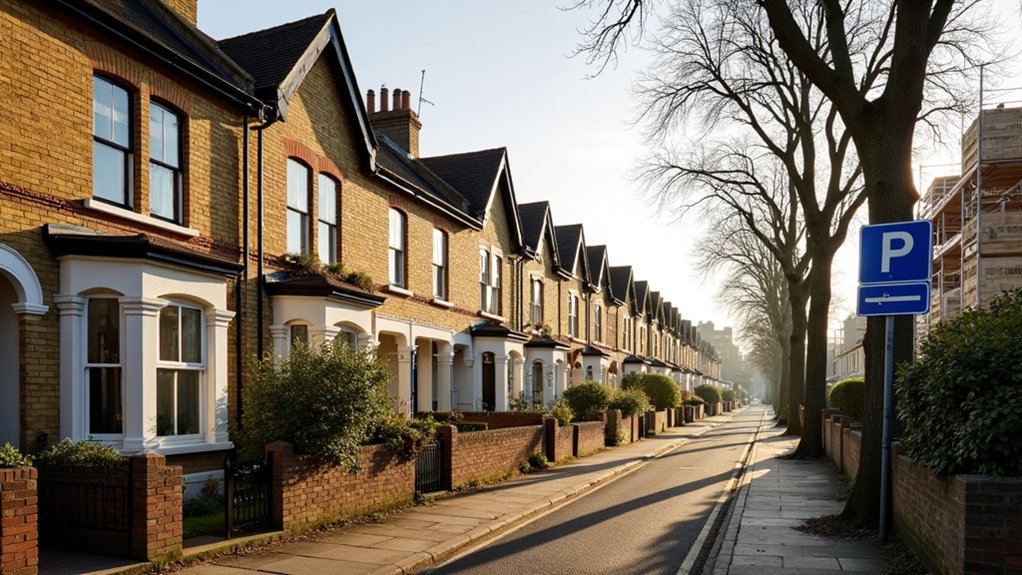
You might find a well-priced flat near Ealing Broadway, only to discover that traffic noise, weak insulation, or a long school run changes the picture. Before you commit, compare Ealing’s neighbourhoods and property types, then budget for deposits, bills, and upfront costs as well as rent. Check transport and local amenities, review every tenancy term, confirm deposit protection, and record the property’s condition—because one overlooked detail can affect both your costs and your rights.
Compare Ealing Neighbourhoods and Property Types

Before renting in Ealing, compare each neighbourhood’s atmosphere, transport links, and typical rents rather than judging the borough as a whole. Ealing Broadway suits you if you want shops, restaurants, Elizabeth line access, and lively streets.
South Ealing feels greener and quieter, while Northfields offers a village-like high street and Piccadilly line convenience.
Acton provides more varied housing and strong Overground, Elizabeth line, and Central line connections, but streets can differ noticeably.
For Neighborhood safety, visit prospective roads after dark and check lighting, noise, and local footfall.
Property types also vary: Victorian conversions may offer character but uneven insulation, whereas modern developments usually provide lifts, balconies, and better energy performance.
Inspect windows, heating, damp, appliances, communal areas, and storage before committing, and ask how promptly the landlord handles repairs.
Budget for Ealing Rent, Deposits and Bills
What’ll your Ealing move really cost each month? Start with more than the advertised rent. Compare total rental affordability across similar homes, then allow for the upfront deposit, usually capped at five weeks’ rent, plus your first month’s payment.
- Rent: Check whether the price reflects the property’s size, condition and furnishings.
- Deposit: Keep funds ready for the protected tenancy deposit and any permitted holding deposit.
- Council tax: Confirm the band and budget for your share, especially in a house share.
- Utility costs: Estimate gas, electricity, water, broadband and mobile charges before signing.
- Safety margin: Hold at least one month’s essential expenses for repairs, moving costs or rising bills.
Ask the agent which bills remain included, and request recent estimates where possible. Set up payments immediately, photograph the property at check-in, and keep every receipt and agreement.
Check Transport Links and Local Amenities
Your monthly budget also needs to account for how you’ll travel and access everyday services. Check your route to work or study before choosing a property, rather than relying on a map’s straight-line distance.
Ealing Broadway offers Elizabeth line, Central, and District line services, while West Ealing provides Elizabeth line access. South Ealing and North Ealing stations may suit you better if you live west of the centre. Compare peak journey times, interchange requirements, and the cost of regular travel.
Then explore local amenities at different times of day. Walk to supermarkets, pharmacies, GP surgeries, schools, cafés, and green spaces, checking opening hours and accessibility.
Public transport links can vary between streets, and a short bus ride may become inconvenient late at night. Ask current residents about traffic, noise, and reliability before committing to a location.
Protect Your Rights Before Signing a Tenancy
Once you’ve found a suitable Ealing property, check the tenancy agreement carefully before paying a deposit or signing. Make sure you understand your tenant rights and the landlord’s legal obligations, especially around repairs, notice periods, and deposit protection. Ask the agent to clarify anything vague, and keep written records of every answer.
- Confirm the landlord or agent’s name and contact details.
- Check rent, deposit, permitted increases, and payment dates.
- Verify the deposit will enter a government-approved protection scheme.
- Review repair responsibilities, bills, and included furnishings.
- Photograph the property’s condition before moving in.
Don’t feel pressured by competition, even in popular areas near Ealing Broadway or South Ealing. You can request corrections before signing, and you shouldn’t pay unexplained fees. If terms seem unfair, seek independent housing advice before committing. Keep your signed agreement safely for future reference.
Frequently Asked Questions
Are Pets Allowed in Rental Properties Across Ealing?
Pets are allowed in some Ealing rental properties, but you shouldn’t assume every landlord will agree. Check the listing and ask directly before arranging a viewing.
Pet policies often depend on the landlord, building rules, and your proposed animal. Expect possible Animal restrictions, especially for larger dogs or multiple pets.
You’ll usually need written permission, references, and sometimes additional cleaning terms. Be transparent, negotiate politely, and confirm everything in your tenancy agreement before moving in.
How Can I Report Maintenance Issues to My Ealing Landlord?
Report maintenance issues to your Ealing landlord or managing agent promptly, preferably in writing. Use the agreed reporting channels—email, tenant portal, or emergency phone line—and describe the problem, location, urgency, and any damage. Attach clear photos and keep copies of everything.
Follow your tenancy agreement’s maintenance procedures, then chase unresolved requests after a reasonable period. For serious hazards, contact Ealing Council’s private-sector housing team or environmental health service directly.
What Documents Do Ealing Letting Agents Require From Prospective Tenants?
Your document folder is your key to unlocking an Ealing rental. Letting agents usually require photo ID, proof of address, recent payslips or employment confirmation, and bank statements.
If you’re self-employed, provide tax returns or accountant references. You’ll also need landlord references and Right to Rent evidence.
Check your Rental affordability before applying, and read Lease agreement terms carefully, especially deposits, notice periods, fees, and guarantor requirements.
Keep digital copies ready to speed approval.
Is Renter’s Insurance Recommended for Tenants in Ealing?
Yes, renter’s insurance is recommended for tenants in Ealing, although landlords usually don’t require it. You’ll protect your belongings against theft, fire, escape-of-water damage, and accidental loss.
Financial safeguards can help with replacement costs. Choose a policy including Liability coverage, especially if you live in a flat or share communal areas.
Check exclusions carefully, declare valuables accurately, and compare excesses, limits, and temporary accommodation benefits before signing.
How Quickly Are Rental Properties Typically Let in Ealing?
You’ll usually need to act within a few days, and well-priced Ealing rentals can let after the first viewings. The theory that every property disappears instantly isn’t always true: demand varies by location, condition, furnishing, and season.
Check Rental market trends, prepare references, and keep funds ready.
Ask about Lease duration, break clauses, and move-in dates before offering.
If you like a home, submit your application promptly, but don’t skip essential checks.
Conclusion
Renting in Ealing can feel like steering through a busy junction, but preparation keeps you on the right route. Compare areas and property types, then budget for rent, deposits, bills, and unexpected costs. Check your commute, amenities, and local noise before committing. Read every tenancy clause, confirm your deposit’s protection, and clarify repairs with your landlord. At check-in, photograph everything. With these practical checks, you’ll choose confidently and avoid expensive surprises across Ealing’s competitive rental market.