Buying your first home in Frome takes more than finding a property you like. You’ll need to understand how prices, streets and property types vary from the town centre to nearby villages, then budget for costs that aren’t always obvious. Local knowledge can also help you judge value, choose the right mortgage and spot potential problems during viewings. Start with your finances and priorities, because the best opportunity may not be where you first expect.
Set Your First-Home Budget in Frome
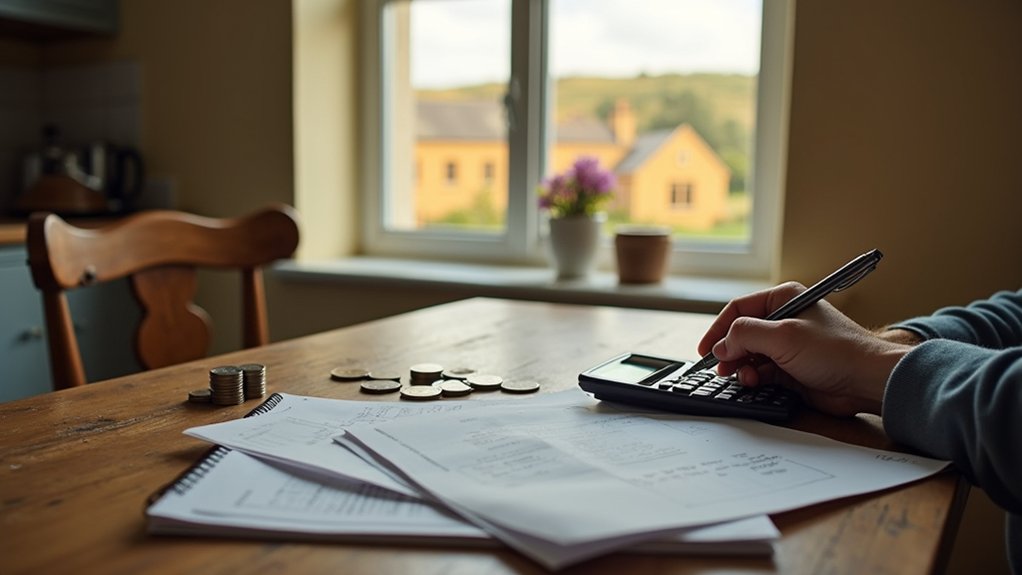
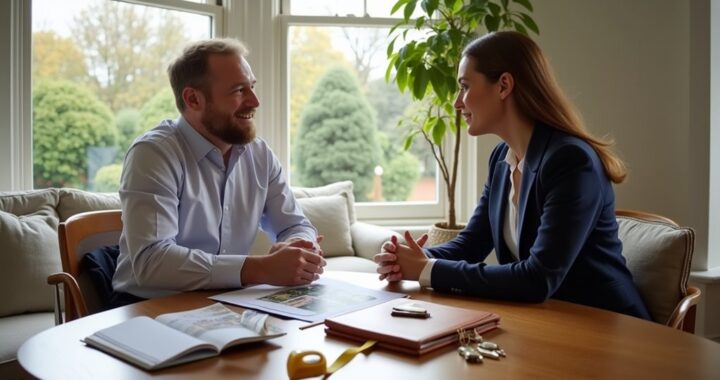
Start by setting a realistic budget around Frome’s current prices, not just the mortgage figure a lender offers you. Check recent sold prices and ask local agents about typical asking-price gaps. Then work out what monthly repayments you can comfortably manage.
Review Mortgage options early, including fixed-rate deals, tracker loans, and first-time-buyer products. Your borrowing capacity depends on income, debts, spending, and credit history, so don’t assume the maximum approval suits your life.
Next, calculate Deposit requirements and keep a separate emergency fund. You’ll also need money for surveys, conveyancing, searches, mortgage fees, removals, and potential repairs.
A larger deposit may unlock better rates, but preserving cash matters. Get an Agreement in Principle before viewing seriously; it clarifies your ceiling and shows sellers you’re prepared.
Recheck your figures if rates or circumstances change.
Compare Frome Neighbourhoods and Property Types
Once your budget is clear, compare Frome’s neighbourhoods by how you’ll actually use them, not just by price. Consider commuting, school runs, parking, and evening journeys.
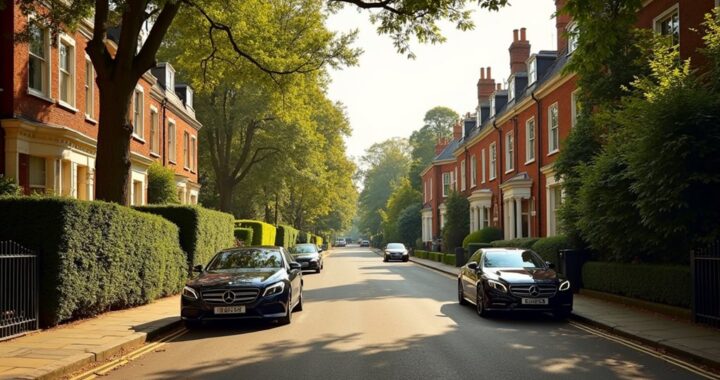
Around the town centre, you’ll find characterful terraces, independent shops, cafés, and strong Community amenities, though streets can feel busier and parking tighter.
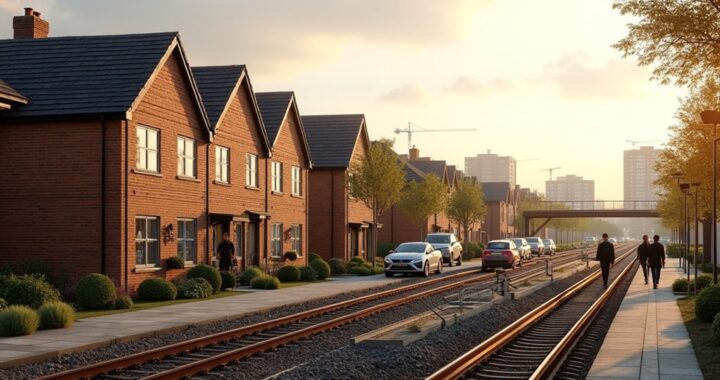
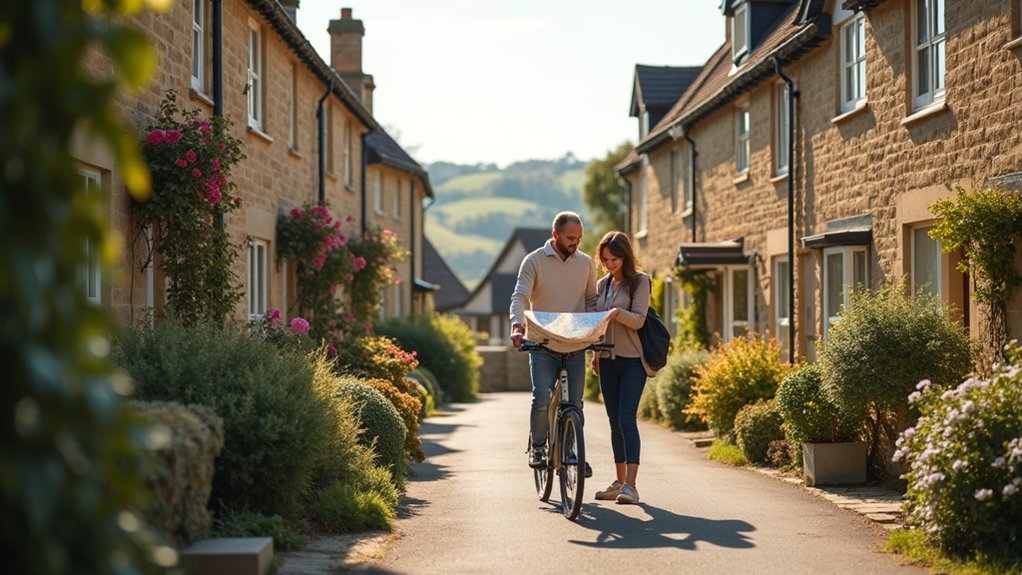
Areas such as Keyford and the newer developments may offer more practical layouts, gardens, and easier parking, while villages just outside Frome trade convenience for space and quieter surroundings.
Visit each area at different times, and check traffic, noise, walking routes, and Neighborhood safety.
Then compare property types honestly: terraces often suit first-time buyers seeking location, flats can reduce maintenance, and semi-detached homes usually provide valuable outdoor space.
Look beyond decoration, checking storage, natural light, insulation, and future flexibility before choosing.
Check Mortgages, Deposits and Buying Costs
With your preferred Frome area and property type in mind, get a clear mortgage decision in principle before you make an offer. Compare Mortgage options from banks, building societies and an independent broker, especially if you’re self-employed or buying an older Frome cottage. Check the interest rate, term, early-repayment charges and whether the lender accepts the property’s construction and condition.
Review Deposit requirements carefully. A larger deposit can improve your rate, but don’t empty your savings: retain a buffer for surveys, removals, repairs and unexpected costs.
Budget for conveyancing, mortgage fees, valuation, survey, insurance and Land Registry charges. First-time buyers may avoid Stamp Duty within current thresholds, but confirm your position before committing.
Ask your solicitor for a complete cost estimate, then keep funds accessible and allow time for lender checks and paperwork.
View Frome Homes With a Local Eye
View each Frome home at different times of day, because traffic, parking and noise can change noticeably between a quiet weekday morning and a busy evening. Walk the surrounding streets, not just the garden, and check how easily you can reach the station, schools, shops and green spaces.
Community amenities vary between neighbourhoods, so consider your daily routine and transport needs. Look closely at roofs, windows, damp, cracks and ventilation, then ask sensible questions about heating, insulation, boundaries and recent repairs.
Test taps, sockets and storage rather than relying on photographs. Listen for nearby businesses, trains and road noise with windows open.
Local market trends can reveal which features hold value, but your comfort matters most. Take notes, photos and a second pair of eyes before comparing each property objectively.
Make an Offer and Complete Your Purchase
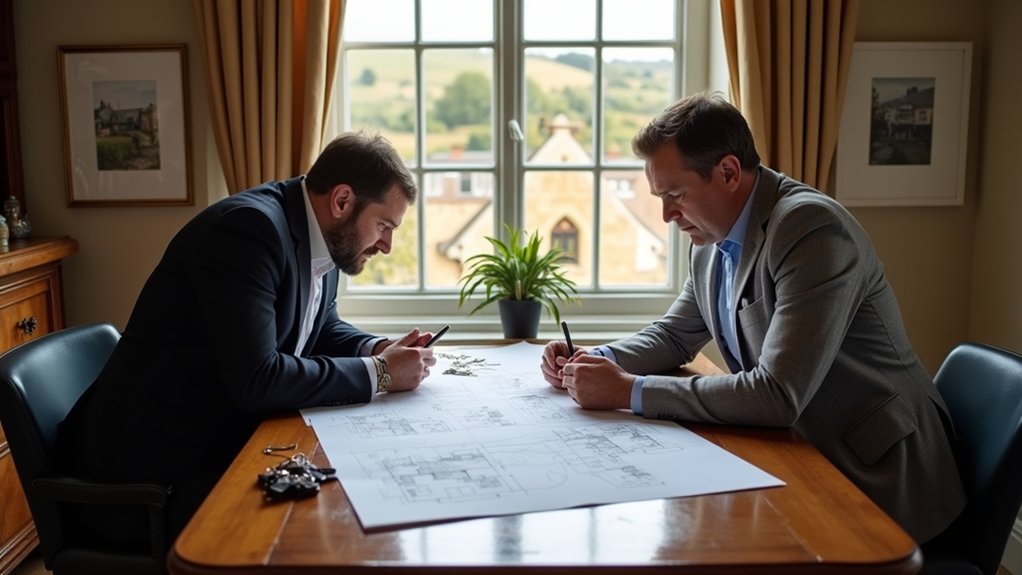
After comparing each Frome property in real-world conditions, you can make an offer with clearer confidence. Check recent sold prices around Frome, not just asking prices, and set a firm ceiling before negotiations begin. Your Negotiation tactics might include moving quickly, requesting included fixtures, or offering flexibility on the completion date, particularly when competing with other buyers.
Before committing, confirm:
- Your mortgage agreement in principle remains valid and affordable.
- A qualified survey covers damp, subsidence, roof condition, and alterations.
- Your solicitor checks boundaries, rights of way, planning permissions, and flood information.
These legal considerations matter in older Frome homes, especially near the historic centre. Once accepted, instruct your conveyancer promptly, return paperwork quickly, and keep your lender updated. Don’t book removals until contracts exchange.
After exchange, you’re legally bound; complete on the agreed date, collect the keys, and record meter readings.
Frequently Asked Questions
What Is Council Tax Like for First-Time Buyers in Frome?
You’ll pay council tax in Frome based on your property’s valuation band, not your status as a first-time buyer. Check the latest Somerset Council rates before budgeting, as charges rise annually and vary by band.
Your conveyancer can confirm the band, while a Home valuation helps you estimate ongoing costs accurately.
Ask whether the seller receives discounts or exemptions, but don’t assume these transfer.
Budget monthly, and verify payment dates after completion.
How Can I Assess Frome’s Schools and Catchment Areas?
Assess Frome’s schools by combining School rankings with first-hand visits, Ofsted reports, and conversations with local parents. Don’t rely on league tables alone: check results, pastoral support, class sizes, transport, and published admissions policies.
For Catchment boundaries, use Somerset Council’s latest maps and confirm directly with each school, as boundaries and priority rules can change.
Before making an offer, ask the agent whether the address has historically secured places, but treat that as guidance, never a guarantee.
What Public Transport Options Are Available Throughout Frome?
You’ll find Frome’s public transport options centred on buses and rail. Frome station provides trains to Bath, Bristol, Weymouth, and London, though services aren’t always frequent, so check peak-time timetables before buying.
Local buses link estates, the town centre, nearby villages, and hospitals, but evening coverage can be limited.
Walkability varies by neighbourhood. Consider your commute, parking, and environmental concerns: choosing a home near the station or regular bus route could reduce car dependence and future costs.
Are There Local First-Time Buyer Schemes or Grants in Frome?
First-time buyers in Frome can access national support rather than a Frome-specific grant. You might use Lifetime ISAs, Shared Ownership, or First Homes, subject to eligibility and available properties.
Somerset Council occasionally offers affordable-home initiatives, so check its latest announcements.
Compare mortgage options with a broker, and budget for surveys, conveyancing, and moving costs.
Local amenities can affect resale appeal, so prioritise transport links, schools, and shops.
Always verify scheme rules before committing.
How Can I Research Frome’s Flood Risks and Environmental Concerns?
Check Flood zones on the Environment Agency’s planning-flood-map service, then ask Somerset Council for site-specific records and drainage information.
Walk the area after heavy rain, especially near the River Frome and low-lying roads, and question sellers about past flooding, insurance, and resilience work.
Review planning applications for nearby development, contamination, sewage capacity, and biodiversity concerns.
You’ll also spot environmental impact issues by checking air quality, traffic, and local conservation designations.
Conclusion
Buying your first home in Frome isn’t a quaint treasure hunt where the cheapest cottage magically needs no work. You’ll need a realistic budget, mortgage decision in principle and funds for the costs that hide behind cheerful listings. Visit streets at rush hour, question every “character feature” and compare sold prices, not hopeful asking prices. Then offer calmly, inspect thoroughly and keep your solicitor moving. The dream is yours—just don’t let it purchase you.