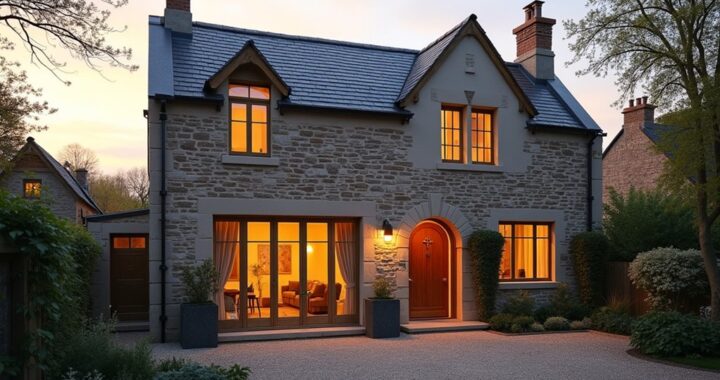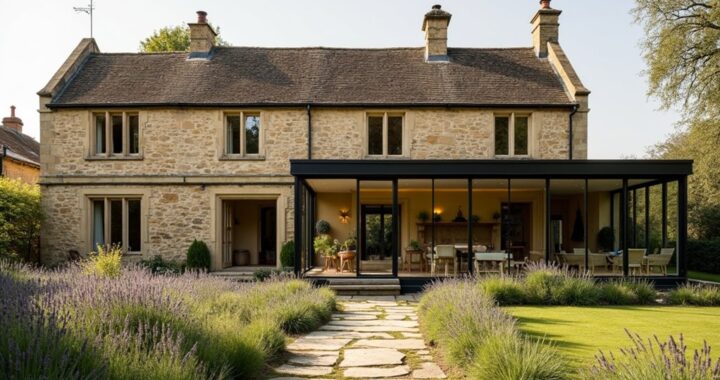

Restoring a stone-built Cotswold cottage for modern living requires more than cosmetic updates. You’ll need to assess structural condition, understand listed-building controls, and choose local stone and breathable lime mortars that suit the original fabric. At the same time, you can improve comfort through discreet layout changes, insulation, glazing, and zoned heating. The right approach protects beams, inglenooks, and historic character—but the first decisions often determine whether the project succeeds.
Assess Your Cottage Before Planning Restoration
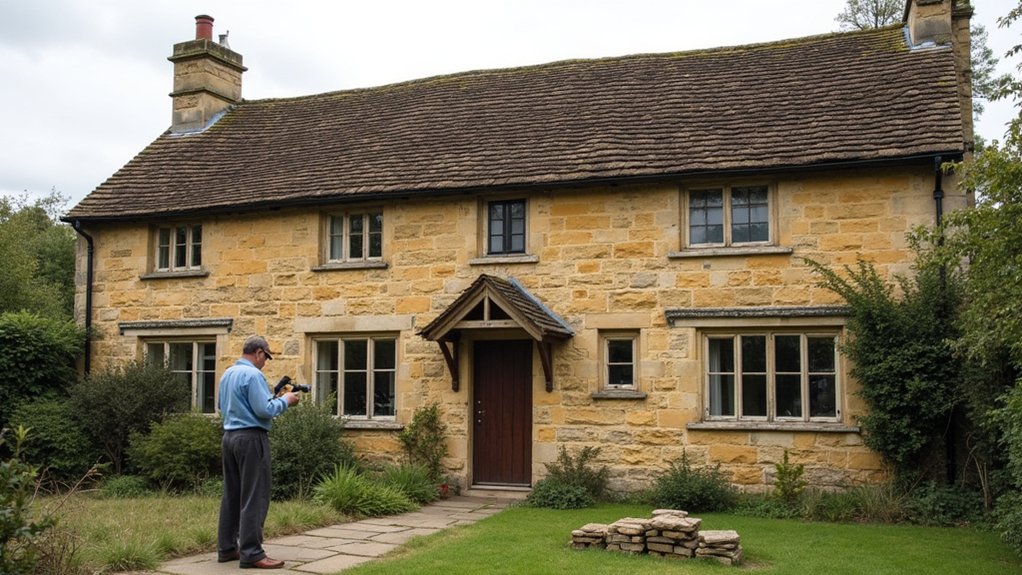
Before planning any work, assess your Cotswold cottage as both a home and a historic structure. Walk through each room, noting damp, cracking, draughts, uneven floors, failing finishes, and alterations that interrupt the building’s character.
Check the roof, gutters, masonry, windows, doors, and ventilation from inside and outside, recording photographs and measurements. Don’t conceal defects with new finishes; identify their causes first, and seek suitably experienced advice where necessary.
Consider how you live now, then separate essential repairs from improvements that can wait. Interior decoration should support the cottage’s age through breathable finishes, restrained colour, and appropriate materials rather than imitation period effects.
Outside, assess boundaries, paving, planting, drainage, and views before beginning Garden restoration. Keep a written condition survey so your priorities remain practical, coherent, and heritage-conscious throughout the project.
Navigate Planning Rules and Listed Status
Once you’ve assessed the cottage, establish whether it’s listed, lies within a conservation area, or is covered by local planning conditions. Check the National Heritage List for England and your council’s planning portal before commissioning designs.
A listed building usually needs Listed Building Consent for alterations affecting its character, even when planning permission isn’t required.
Conservation areas add controls over demolition, extensions, trees, windows, and external changes, while permitted development rights may be restricted.
Ask the council’s conservation officer for written pre-application advice, and confirm whether your project needs planning permission, building regulations approval, or both.
Keep records of the cottage’s history and proposed changes.
Treat Legal restrictions and conservation guidelines as essential design parameters, not obstacles.
Don’t begin work until every consent is granted and conditions are understood.
Repair Stonework With Traditional Materials
With the cottage’s consents and conditions confirmed, turn to the stonework using methods that respect its age and construction. Begin with a careful survey, recording loose stones, open joints, cracks, damp staining, and areas of failed pointing.
Arrange gentle stone cleaning only where necessary; avoid aggressive grit blasting, cement-based renders, and harsh chemicals that can scar limestone or trap moisture.
Ask an experienced mason to source compatible local stone, matching colour, grain, thickness, and coursing rather than creating conspicuous patches.
For mortar matching, analyse the existing mix and reproduce its lime-rich character, permeability, aggregate, and colour.
Use lime mortar, not hard cement, so joints can accommodate movement and allow the wall to breathe.
Rebuild damaged sections in the original pattern, protect fresh work from frost, and let lime cure gradually.
Modernise Layouts Without Losing Character
Modernise the layout by improving circulation and daylight without erasing the cottage’s historic plan. Retain defining features, including inglenooks, exposed beams, staircases, and small, irregular rooms.
Instead of removing every partition, open only connections that genuinely improve daily use, such as widening a doorway between the kitchen and dining room. Use glazed screens or internal windows where you need borrowed light while preserving visual separation and masonry.
Plan storage within alcoves, under stairs, or behind bespoke joinery, rather than crowding historic walls. Choose Modern furniture with restrained profiles, natural finishes, and proportions suited to low ceilings and narrow rooms.
Layer interior lighting carefully: combine discreet wall fittings, pendants, and task lights, avoiding excessive recessed fixtures. Your design should feel comfortable and contemporary, yet unmistakably rooted in the cottage’s original character and craftsmanship.
Improve Energy Efficiency for Comfortable Living
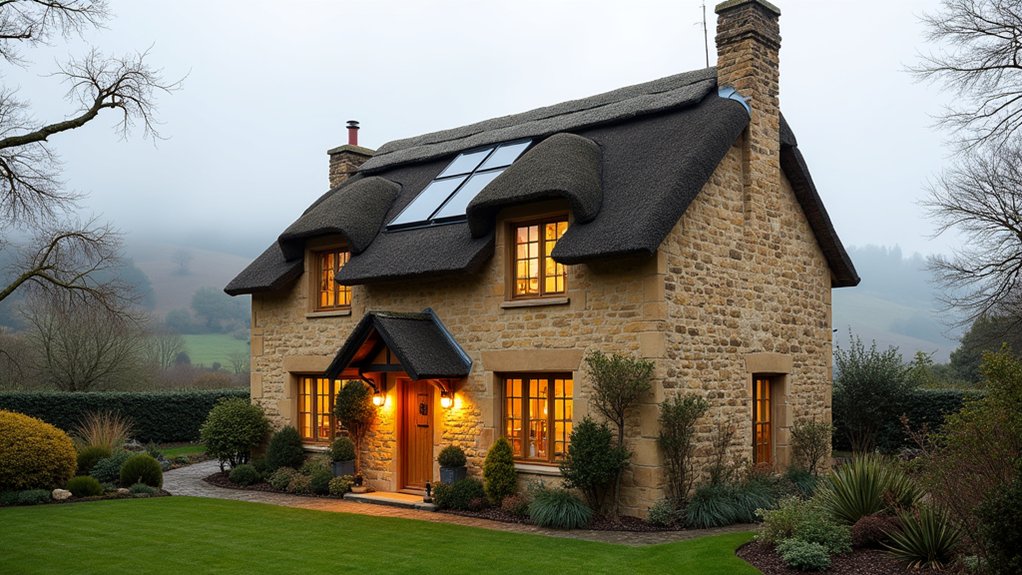
How can you make a Cotswold cottage warmer without compromising its historic fabric? Start with a whole-house assessment, then prioritise discreet insulation upgrades that let stone walls breathe. Use breathable lime-based materials rather than impermeable cement or foam, and repair gaps around windows, doors, and floors. Secondary glazing can reduce draughts while preserving original frames. Improve comfort with efficient, zoned heating and smart controls, avoiding excessive moisture or heat that could damage masonry.
- Lime insulation beneath floors keeps rooms warmer while managing humidity.
- Draught-proofed shutters soften winter chills without altering elevations.
- A modest air-source heat pump can support lower-temperature heating.
- Carefully placed solar panels may provide renewable energy without dominating the roofscape.
Before work begins, consult a conservation professional and check planning requirements.
Monitor indoor humidity after improvements, because energy efficiency must protect both your wellbeing and the cottage’s historic character.
Frequently Asked Questions
How Much Does a Complete Cotswold Cottage Restoration Typically Cost?
You’ll typically spend £150,000–£400,000 on a complete Cotswold cottage restoration, though listed status, size, condition, and services can push costs beyond £500,000.
Budget £2,000–£4,000 per square metre for structural repairs, lime work, roofing, insulation, plumbing, and electrics.
Add professional fees, surveys, contingency, and VAT.
Historical preservation requirements may increase labour costs, while careful material sourcing affects stone, timber, and reclaimed finishes.
Obtain specialist quotes before committing.
How Long Does a Full Cottage Restoration Project Usually Take?
You’ll usually need 12–24 months for a full cottage restoration, though complex projects can take longer. Allow time for surveys, planning permission, structural repairs, and specialist trades before work begins.
Historical accuracy may require traditional techniques, while material sourcing can delay progress when reclaimed stone, lime mortar, or handmade tiles aren’t readily available.
Weather, listed-building approvals, and unforeseen defects also affect timing, so build in a contingency of several months.
Which Professionals Should I Hire for a Specialist Restoration Project?
Hire a heritage architect, conservation-accredited surveyor, and specialist structural engineer first. You’ll then need skilled stonemasons, lime plasterers, traditional roofers, and joiners experienced with historic materials.
A conservation officer can guide listed-building consent, while an archaeologist may advise on buried fabric or protected features.
Choose contractors who understand preservation techniques, document existing work, and provide references.
Your main contractor should coordinate trades, sequencing, specifications, costs, and compliance throughout the restoration project.
How Can I Protect Belongings and Occupants During Restoration Work?
Protect belongings and occupants by separating work zones with sealed, fire-rated barriers and posting clear access routes.
Remove valuables, cover remaining furniture with breathable sheets, and lift items from floors to prevent damp damage.
Schedule furniture preservation before dusty or wet trades begin.
Isolate utilities, control dust with extraction, and ventilate safely.
Require contractors to use appropriate PPE, secure scaffolding, and maintain daily housekeeping.
Prioritise occupant safety by relocating children, pets, and vulnerable residents.
What Insurance Coverage Is Needed During a Heritage Property Renovation?
You’ll need specialist renovation insurance covering the existing structure, listed features, contract works, public liability, employer’s liability, and site materials.
Confirm that your policy recognises Heritage conservation requirements, traditional construction, vacant periods, and statutory approvals.
Add accidental-damage, theft, weather, and alternative-accommodation cover where appropriate.
Require contractors to carry professional indemnity and their own liability insurance.
Keep valuations, photographs, permissions, and contracts to support Insurance claims, and review limits as work progresses.
Conclusion
Restoring your stone-built Cotswold cottage is a careful conversation between past and present. Once you’ve assessed its structure, understood its protections, and repaired its walls with compatible stone and lime, you can shape brighter, warmer rooms without silencing its history. Let original beams, inglenooks, and uneven floors remain the heart of your home. With breathable insulation, discreet glazing, and zoned heating, you’ll enjoy modern comfort while the cottage continues to breathe, endure, and tell its story.