
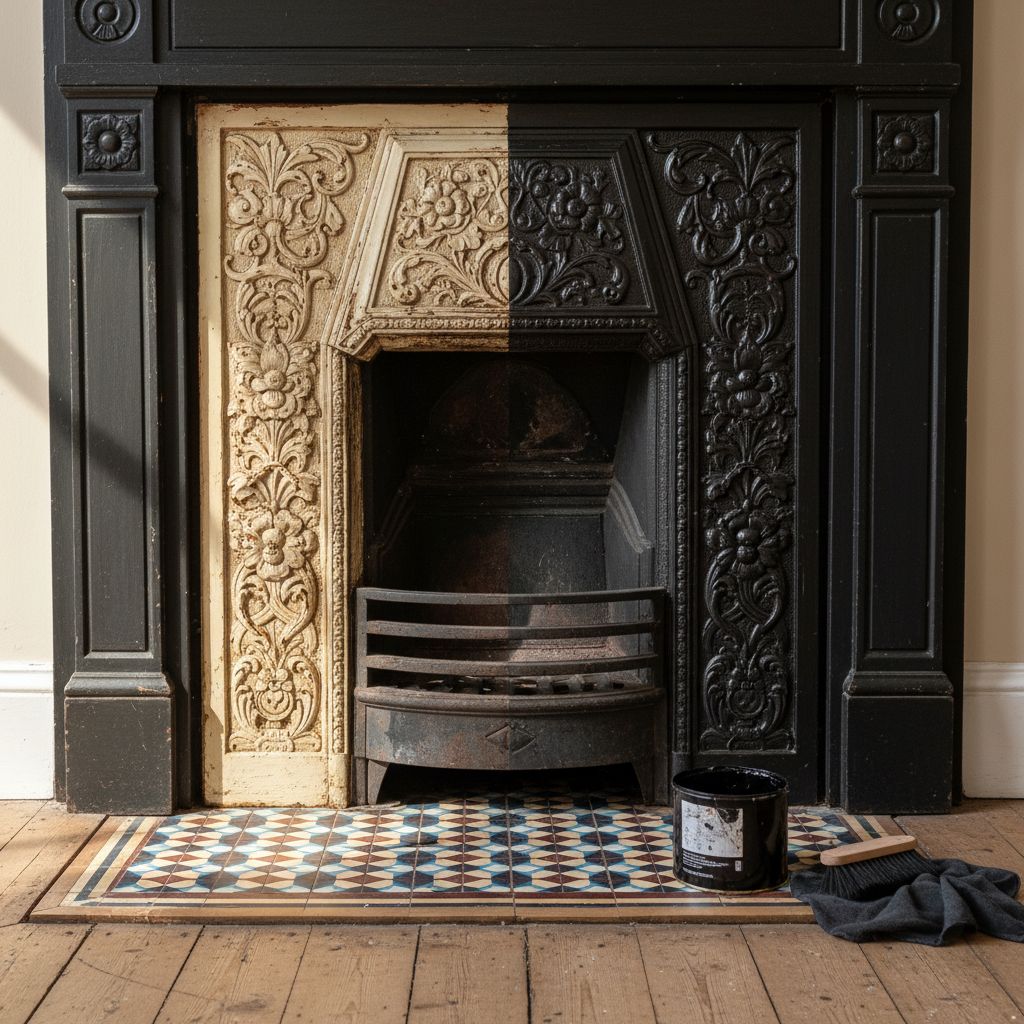
A Victorian fireplace combines ornate design with enduring craftsmanship, often surviving decades with proper care. You can restore yours to its original splendor by understanding the materials, techniques, and period-appropriate finishes used in its construction. A well-executed restoration enhances both the aesthetic and functional value of your home’s focal point.
Assessing the Condition and Structural Integrity
Identifying Original Materials and Period Styles
Victorian fireplaces often feature cast iron, slate, marble, or ceramic tiles, each pointing to a specific era and class of home. Examine beveled edges, floral engravings, or geometric tile patterns typical of the late 19th century. Matching replacement parts requires recognizing whether your surround came from a factory in Staffordshire or was custom-made for a London terrace.
Factors Determining the Success of Your Restoration
A fireplace’s restorability hinges on several tangible elements. The extent of corrosion, prior amateur repairs, and availability of period-matching materials all influence outcomes.
- Presence of original cast iron components
- Condition of hearth and lintel
- Extent of soot and moisture damage
- Access to reproduction mouldings or tiles
Recognizing that some Antique fireplaces and surrounds were mass-produced while others were bespoke helps set realistic expectations. A Birmingham-made 1880s grate may have interchangeable parts, whereas a hand-carved oak mantel from a country villa may require specialist carving to match missing sections. Compatibility with modern flue systems also affects feasibility.
- Whether the chimney breast has shifted over time
- Original paint layers preserved beneath grime
- Local conservation area restrictions
- Structural load on the lintel from above
Safety Inspection Tips for Flues and Chimney Stacks
Before lighting any fire, verify that the flue channels smoke properly and the stack shows no signs of collapse. Cracked linings or bird nests can create dangerous backdrafts. Any blockage or structural flaw compromises both performance and safety.
- Check for mortar deterioration at the crown
- Inspect for creosote buildup in the flue
- Look for cracks or leaning in the external stack
- Confirm the cowl or cap is secure
Any restoration is incomplete without a certified sweep’s assessment. Thermal imaging can reveal hidden cracks, while a smoke test confirms draft integrity. Older bricks may have eroded from decades of acidic soot, especially in industrial cities like Manchester or Sheffield where coal burning was prolonged. Structural movement can misalign the flue, requiring re-lining with a flexible stainless steel liner.
- Ensure the chimney is capped to prevent water ingress
- Verify the flue meets current building regulations
- Test for carbon monoxide leakage
- Confirm the foundation of the stack is stable
Essential Tools and Materials for the Project
Sourcing Period-Correct Replacement Parts and Adhesives
Locate authentic replacement tiles, grates, or ornamental castings through specialist salvage yards or heritage suppliers who catalogue reclaimed Victorian-era fixtures. Use lime-based mortars and natural resin adhesives that match original formulations, ensuring compatibility with soft, breathable masonry. We were a few years back, restoring a London townhouse fireplace by sourcing rosette inserts from a Derbyshire reclamation yard, preserving historical accuracy.
Choosing the Right Chemical Strippers for Cast Iron
Select alkaline-based strippers formulated for cast iron to avoid etching or pitting the metal surface. These agents effectively break down decades of layered paint without compromising structural integrity. Always verify the product is free from acid components, which can react with iron and accelerate corrosion over time.
Apply the stripper with a stiff nylon brush, working in small sections to prevent drying. Allow dwell time as specified by the manufacturer, then scrape away residue with a plastic or wooden tool to protect the casting details. For intricate scrollwork, use cotton swabs to target crevices. Rinse thoroughly with clean water and dry immediately with a lint-free cloth to prevent flash rusting. One restorer in Bristol achieved clean results using a gel formula that clung vertically to the uprights of a soot-encrusted register.
How to Strip and Clean Your Victorian Fireplace
Removing Layers of Paint Without Damaging Underlying Detail
Begin by testing a small area with a chemical paint stripper formulated for delicate surfaces. Apply with a soft brush, allowing it to sit just long enough to soften the paint. Gently scrape away layers using a wooden or plastic tool to avoid scratching fine carvings. Repeat as needed, rinsing with distilled water between applications to monitor progress and preserve intricate detailing.
Deep-Cleaning Marble, Slate, and Stone Surrounds
Clean natural stone surrounds with a pH-neutral stone cleaner to avoid etching or discoloration. Dampen the surface with distilled water before applying the solution with a soft cloth. Work in small sections, rinsing thoroughly to prevent residue buildup. Dry immediately with a lint-free towel to minimize water spotting and maintain the stone’s original luster.
Marble and slate were frequently used in high-status Victorian homes, often sourced from quarries in Cumbria or imported from Italy. These materials respond poorly to acidic or abrasive cleaners, which can dull polished finishes or open pores in the stone. A
Tips for Neutralizing Rust and Preventing Oxidation
- Apply a rust converter containing tannic acid to transform iron oxide into a stable black layer
- Once treated, seal the metal with a clear, matte rust-inhibiting primer
- Use stainless steel or brass replacement parts where possible to reduce future corrosion
- Ensure adequate ventilation around the grate to minimize moisture retention
This approach prevents further deterioration while maintaining the authentic appearance of original ironwork.
Rust often forms on cast iron inserts or grates due to decades of moisture exposure and infrequent use. Treating affected areas isn’t just cosmetic-it halts structural decay that can compromise safety. A rust converter chemically stabilizes the corrosion, creating a suitable base for protective coatings. Avoid sandblasting, which can scar delicate moldings. Instead, use fine steel wool after treatment to smooth the surface. This ensures a durable finish that resists future oxidation without altering historical accuracy.
Repairing Damaged Components and Masonry
How to Fix Cracks in Cast Iron Using Modern Sealants
Small cracks in cast iron surrounds can be stabilized with high-temperature epoxy sealants designed for metal restoration. Clean the affected area thoroughly with a wire brush and acetone, then apply the sealant with a plastic applicator, ensuring full penetration. Allow it to cure completely before any further treatment or use.
Replacing Broken Victorian Hearth Tiles Authentically
Matching original hearth tiles often requires sourcing from salvage yards or specialist heritage suppliers. Victorian tiles typically featured geometric patterns in encaustic or glazed ceramic, so take a surviving tile to ensure color, size, and design accuracy when ordering replacements.
A few years back, we restored a London townhouse fireplace using reclaimed tiles from a demolished school in Manchester, where the same manufacturer had supplied both buildings in the 1890s. Reproducing the exact glaze today would cost significantly more and lack historical authenticity, making careful sourcing important for period accuracy.
Restoring the Mantelpiece and Decorative Mantelshelf
Wooden mantelpieces with carved details may suffer from dry rot or surface grime buildup over time. Gently sand damaged areas with fine-grit paper, treat any fungal growth with a conservation-grade biocide, and use wood filler that accepts stain to preserve the grain appearance.
A Bristol homeowner preserved a mahogany mantelshelf with intricate floral inlays by consulting a local furniture conservator who used reversible fillers and toned finishes to blend repairs. This method maintains historical value while addressing structural weaknesses, particularly at joints weakened by decades of heat exposure and humidity shifts.
Applying Traditional Finishes and Polishes
Using Black Lead or Grate Polish for an Authentic Glow
Black lead, a traditional graphite-based polish, enhances cast iron grates with a deep, lustrous finish that mimics the look of freshly forged metal. Apply it with a soft cloth in circular motions, allowing the fine powder to bond with the metal’s surface. A well-polished grate in a restored London townhouse can reflect candlelight with the same soft sheen seen in 19th-century interiors.
Sealing and Protecting Stone and Timber Elements
Stone surrounds and timber mantels benefit from breathable sealants that guard against soot and moisture without trapping humidity. Use a limewash or natural oil finish to maintain porosity while adding subtle depth. We have converted an office fireplace in Edinburgh uses linseed oil on its oak mantel, preserving grain detail after five years of seasonal use.
Penetrating sealers work best when applied in thin, even coats, allowing each layer to cure fully before adding the next. For limestone or marble surrounds, a silane-based protector can resist staining from accidental spills or nearby cooking. Timber elements, especially if original, respond well to hard wax oils that condition the wood and resist minor scratches. Avoid synthetic varnishes that yellow over time or create a plastic-like surface inconsistent with Victorian aesthetics. A restored villa in Bath preserved its 1880s walnut mantel using three coats of beeswax and carnauba blend, maintaining warmth without compromising historical accuracy.

Operational Safety and Modern Efficiency Factors
Restoring a Victorian fireplace requires balancing historical authenticity with current safety standards. Modern usage demands safeguards that were not considerations in the 19th century. You must evaluate chimney lining, airflow, and fuel type to meet building regulations. Retrofitting older systems without compromising character is possible with careful planning and correct installations. This ensures safe operation in a contemporary home environment.
- Install a stainless steel flexible flue liner if the original clay liner is cracked or missing
- Have the chimney professionally swept before and after restoration
- Verify adequate hearth depth and non-combustible flooring extensions
- Use a spark guard rated for open fires
- Ensure proper clearance from combustible materials around the opening
Assume that even a beautifully restored fireplace poses risks if not aligned with current ventilation and combustion requirements.
Integrating Smoke and Carbon Monoxide Detection Systems
Place interconnected smoke detectors within 10 feet of the fireplace opening and mount a carbon monoxide alarm on the wall at breathing level nearby. Hardwired units with battery backup offer the most reliable monitoring. Test sensors monthly and replace units every ten years. This provides early warning should drafting issues or incomplete combustion occur during use.
Tips for Enhancing Heat Efficiency in Older Grates
Older grates often radiate heat inefficiently due to open designs and worn materials. Consider lining the firebox with refractory panels or installing a modern insert that mimics period appearance. Use seasoned hardwood and maintain a moderate flame to reduce heat loss. This improves warmth output without altering the fireplace’s external appearance.
- Install a heat-resistant insert designed to fit within the existing grate
- Line the back and side walls of the firebox with firebrick or ceramic panels
- Use a fireplace draft stopper when the fire is not in use
- Opt for a grate that elevates logs for better airflow and complete burning
- Burn only dry, seasoned wood to minimize creosote and maximize heat
Assume that even modest efficiency upgrades can noticeably improve room warmth and reduce fuel consumption over a heating season.
Conclusion
You restore a Victorian fireplace by combining careful material selection with period-appropriate techniques, ensuring both aesthetic authenticity and safe operation. A mid-sized antique fireplace firm might prioritize efficiency, but in heritage restoration, patience yields results-such as a fully functional cast-iron grate seated in original tiling, polished to reflect the era’s craftsmanship. Your attention to detail ensures the fireplace becomes a functional centerpiece, compliant with modern safety standards while preserving its historical character.
FAQ
Q: Can I restore a Victorian fireplace myself, or should I hire a specialist?
A: Many aspects of restoring a Victorian fireplace can be managed by a skilled DIYer, especially cleaning, stripping paint, and reassembling intact components. Tasks like repairing cracked cast iron, repointing intricate brickwork, or modifying the flue for modern safety standards often require a specialist. A homeowner successfully restored a 1890s marble surround in Manchester using hand tools and guidance from heritage conservation forums, but brought in a stonemason to reattach a fractured corbel. Knowing your limits ensures both authenticity and safety.
Q: How do I identify the original materials used in my Victorian fireplace?
A: Original materials can often be determined through careful inspection and historical research. Victorian fireplaces commonly feature cast iron inserts, slate or marble hearths, and timber mantel shelves with carved detailing. Exposed layers beneath modern paint may reveal original finishes-such as a deep bottle green on an iron grate or gold leaf in relief carvings. Consulting period catalogues from manufacturers like J. & E. Atkinson or examining similar surviving examples in local heritage homes helps confirm material choices typical of the era.
Q: Is it safe to use a restored Victorian fireplace with modern central heating?
A: Yes, provided the chimney is structurally sound and properly lined if necessary. A mid-sized builder converted a Victorian townhouse office in Bristol and retained two original fireplaces, installing stainless steel flue liners to meet current building regulations. Carbon monoxide detectors and annual chimney sweeps are vital. The fireplaces now operate efficiently with smokeless fuel, contributing to ambiance without compromising indoor air quality.
Q: What’s the best way to remove decades of paint from a cast iron fireplace without damaging it?
A: Chemical paint strippers formulated for metal, applied in layers and covered with cling film to slow evaporation, effectively loosen old paint. For detailed moldings, a pointed dental tool removes residue without abrasion. One restorer in Edinburgh used a citric-acid-based gel over three cycles to strip 11 layers of paint from a 1885 grate, preserving the original stamped manufacturer’s mark on the side bar. Avoid sandblasting, which can erode fine casting details.
Q: Can I replace missing tiles on a Victorian fireplace with modern reproductions?
A: Yes, several UK-based manufacturers produce historically accurate reproductions of Victorian encaustic and ceramic tiles. A homeowner in Bath matched missing tiles by sending a photograph to a specialist in Stoke-on-Trent, who identified the pattern as part of a 1870s Linthorpe Art Pottery series. Custom batches can be made using traditional methods, ensuring color, texture, and dimensional accuracy. Original tiles should be cleaned and sealed before new ones are installed to prevent visible contrast.