Most homeowners cherish the unique charm an antique fireplace adds, yet sometimes replacement becomes necessary for safety or efficiency. You can modernize your living space without sacrificing its historical soul. This guide offers practical advice, on how to replace an antique fireplace, thus ensuring your new fireplace complements, rather than detracts from, your home’s inherent character.
Assessing the Historical Value of the Existing Fireplace
Identifying Period-Specific Materials and Styles
Examine the fireplace for distinctive characteristics. Look for specific wood species, tile patterns, or metalwork that identify its original construction era, like a Victorian cast-iron insert or an Art Deco stepped mantelpiece.
Determining Repairability vs. Necessary Replacement
You must objectively evaluate the fireplace’s condition. Assess structural integrity, looking for extensive cracking, spalling, or irreparable damage to the firebox and flue system.
Extensive damage often extends beyond superficial cracks, encompassing issues such as a compromised smoke chamber, a deteriorated damper, or a failing hearth support. A professional inspection identifies hidden hazards, including creosote buildup that poses a fire risk or a flue liner that has collapsed, making the fireplace unsafe for use. Replacing these fundamental components can sometimes exceed the cost and effort of installing a new, historically sympathetic unit, especially if original materials are scarce or specialized craftsmanship is required for repair.
Selecting a Period-Appropriate Replacement
Carefully choose a replacement that aligns with your home’s architectural era. You can research common fireplace styles from your property’s construction period, like an Adam-style mantel for a Georgian home or an Art Nouveau surround for an Edwardian residence, ensuring visual harmony.
Sourcing Authentic Reclaimed Mantels and Surrounds
Discovering a reclaimed mantel or surround offers unparalleled authenticity. You can explore architectural salvage yards, antique dealers specializing in period features, or online marketplaces dedicated to heritage building materials for unique finds.
Utilizing High-Quality Artisan Reproductions
High-quality artisan reproductions provide an excellent alternative when authentic reclaimed pieces are scarce or unsuitable. You can commission skilled craftspeople to recreate historical designs, often allowing for customization to fit specific dimensions or material preferences. Reproductions from master artisans often employ traditional techniques and materials, replicating the intricate carvings, specific wood species, or casting methods of the original period. A reproduction might feature hand-carved oak for a Jacobean-style fireplace or cast iron with specific motifs for a Victorian-era design, ensuring historical accuracy without the challenges of sourcing fragile antiques.
Balancing Modern Functionality with Aesthetic Integrity
Integrating a new fireplace means considering how contemporary performance features can coexist with historical charm. You can achieve this by carefully selecting components that offer efficiency without visually clashing with your home’s established style. The goal is to enhance comfort and safety while honoring the original design intent.
Integrating High-Efficiency Inserts and Venting
Modern fireplace inserts offer vastly improved heat output and cleaner burning, a significant upgrade from open hearths. You should select models designed to fit within existing firebox dimensions, and ensure new venting systems are discreetly integrated to preserve exterior aesthetics.
Maintaining Traditional Proportions and Visual Weight
You must ensure any new installation respects the scale and presence of the original fireplace. This involves matching the mantel height, hearth depth, and overall mass to prevent the new feature from appearing either too small or overwhelmingly large within the room. The visual balance of a room often hinges on the fireplace’s proportions, especially in older homes where fireplaces served as central focal points. Selecting a replacement with a firebox opening of similar width and height to the original, for example, helps maintain the established scale. You can also match the depth of the new hearth to the old one, preventing an awkward protrusion or a recessed appearance that disrupts the room’s flow.
Preserving the Surrounding Architectural Context
Protecting Original Hearth Tiles and Flooring
Carefully evaluate the condition of your hearth and surrounding floor. You can often salvage and reuse original tiles, or source reclaimed ones that closely match, preserving the authentic base for your new fireplace.
Coordinating with Existing Wall Moldings and Finishes
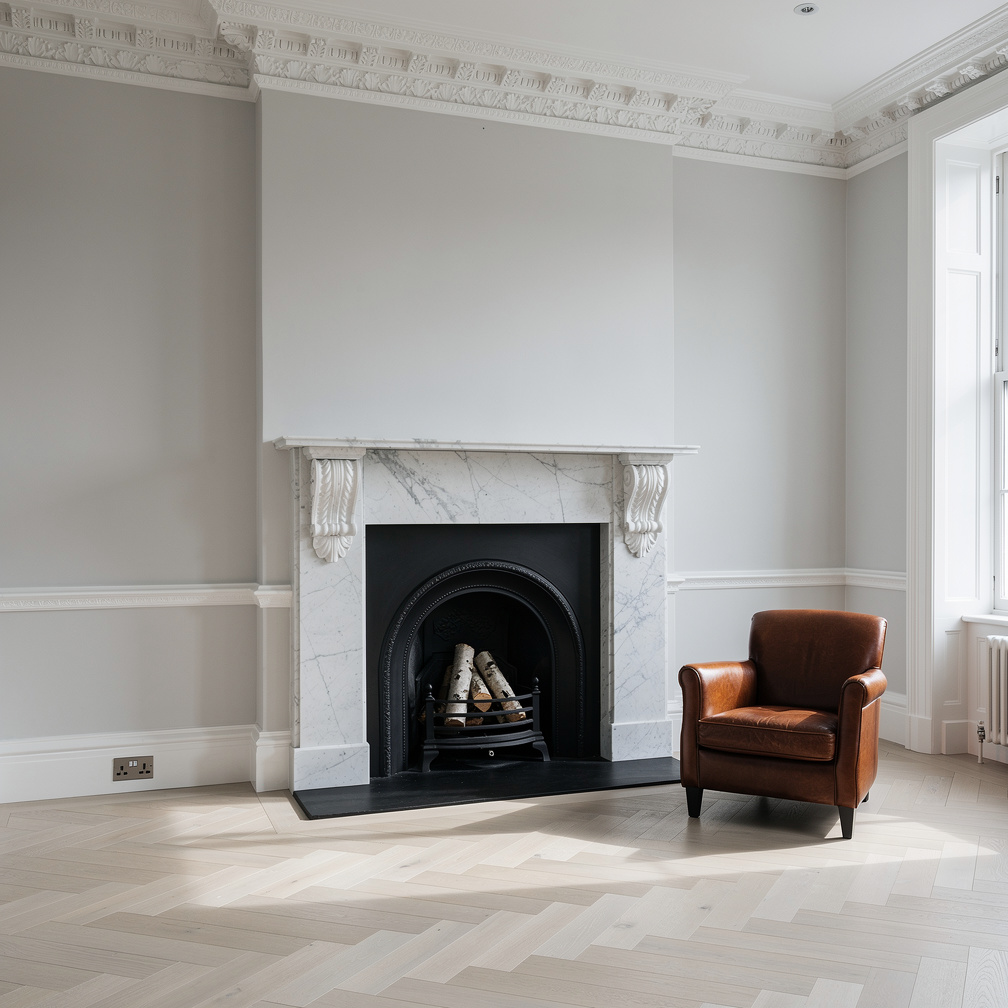
Match new mantelpieces or surrounds to your home’s existing trim work. You should consider the profiles and scale of baseboards and crown molding, ensuring a cohesive visual flow. Achieving a harmonious integration requires careful attention to detail. You might find that replicating an existing molding profile for a new mantel shelf creates a seamless transition, for instance. Consider the paint finishes and patinas of adjacent woodwork; a stark contrast in sheen or color can detract from the intended historical continuity, so aim for a complementary rather than clashing aesthetic. This approach ensures the new fireplace appears original to the room, rather than an obvious modern addition.
Technical Considerations and Building Compliance
Navigating Safety Standards for Older Structures
Addressing current building codes presents a primary concern, especially in historic homes. You must ensure any new installation adheres to modern fire safety regulations, which often differ significantly from those in place when your home was built. Consult with a certified professional to avoid potential hazards.
Structural Reinforcement for Modern Hearth Systems
Contemporary fireplace units, particularly those made of cast iron or stone, can be considerably heavier than their antique predecessors. Your floor joists and surrounding wall structures may require reinforcement. Considering the increased weight of modern inserts, a structural engineer’s assessment becomes invaluable. They can determine if existing supports, such as floor joists or the subfloor beneath the hearth, possess adequate load-bearing capacity. Many older homes feature timber frames that, while sturdy, were not designed for the concentrated weight of a new masonry firebox or a heavy steel insert, potentially necessitating additional bracing or new foundation pads to distribute the load safely across a wider area.

Finalizing the Restoration with Authentic Details
Choosing Period-Correct Hardware and Accessories
Selecting the right hardware, such as a fire screen, grates, andirons, or a fender, completes the aesthetic. Seek out pieces that genuinely reflect your home’s architectural period, whether it’s ornate Victorian brass or simpler Arts and Crafts iron, ensuring they are functional and visually appropriate. You want to avoid modern interpretations that clash with the historical context.
Professional Finishing and Masonry Techniques
Achieving an authentic finish demands skilled craftsmanship. You will need to consider specialized masonry techniques, like repointing with historically accurate mortar mixes and joint profiles, which are vital for blending new work with existing brickwork or stonework. This meticulous attention to detail prevents the fireplace from appearing incongruous with its surroundings.
Skilled masons understand how to match existing brickwork or stone patterns, employing techniques such as tuckpointing or butter jointing, depending on the period. They can also apply historically appropriate finishes to the mantelpiece, whether it involves French polishing a mahogany surround or creating a distressed painted finish on a pine mantel. Your goal is a cohesive look, where the new elements appear to have always been a part of the original structure, a testament to thoughtful restoration rather than a stark replacement.
Summing up
Replacing an antique fireplace requires a thoughtful approach, ensuring your home’s unique character remains intact. You can honor your property’s heritage while upgrading to a safer, more efficient system by prioritizing historical accuracy, meticulous material selection, and adherence to building regulations. The successful integration of a new fireplace ultimately enhances both the beauty and functionality of your living space for years to come.
FAQ
Q: How can I determine if my antique fireplace has significant historical value?
A: Examining the materials used can offer clues; original hand-carved wood surrounds, specific types of marble, or cast-iron firebacks with unique motifs often indicate historical significance. Researching the architectural style prevalent during your home’s construction period can also provide context, helping you identify if the fireplace aligns with original design intentions or if it was a later addition. Consult local historical societies or preservation architects, as they can often provide expert opinions on regional architectural trends and the typical features found in homes of a particular era.
Q: What are the key considerations when choosing a period-appropriate replacement fireplace?
A: The scale and proportion of the new fireplace must harmonize with the room’s dimensions and ceiling height. A common mistake is installing an overly large or small replacement, which disrupts the visual balance. Investigate the common materials and decorative elements used during your home’s original construction; for example, a Victorian-era home might feature a cast-iron insert with ornate tile work, while a Colonial Revival property could have a simpler wooden mantel with fluted columns. Consider the firebox opening size, ensuring it is compatible with modern safety standards while still appearing authentic to the period.
Q: Can modern fireplace inserts be integrated into an antique mantelpiece without compromising its character?
A: Yes, with careful planning, modern inserts can be discreetly integrated. The key involves selecting an insert that fits precisely within the existing firebox opening, minimizing the need for extensive alterations to the original mantel or surround. Many manufacturers offer inserts designed for historic homes, often featuring cleaner lines or adaptable dimensions. A custom-fabricated steel or cast-iron liner can bridge the gap between the modern insert and the antique structure, ensuring a secure fit and maintaining the aesthetic integrity of the original facade.
Q: What steps should I take to preserve the surrounding architectural context during a fireplace replacement?
A: Protecting adjacent wall finishes, such as plasterwork, wallpaper, or intricate moldings, is paramount. Before any demolition begins, carefully mask off these areas and consider temporarily removing any nearby decorative objects or furniture. Documenting the existing condition with photographs helps ensure that any original details, like baseboards or wainscoting that meet the fireplace, are either preserved or accurately replicated. If original hearth tiles are being removed, consider saving them for potential reinstallation or as reference for matching new materials.
Q: Are there specific building codes or regulations I need to be aware of when replacing an antique fireplace?
A: Yes, local building codes govern fireplace installations, particularly concerning venting, hearth extensions, and clearances to combustible materials. These regulations prioritize safety and often require a permit and inspections by a qualified building official. If your home is located within a historic district, additional guidelines from a local historic preservation commission may apply, dictating acceptable materials, design modifications, and even the types of fuels allowed. Consulting with a licensed contractor experienced in historic renovations can help navigate these requirements, ensuring compliance with both safety standards and preservation guidelines.