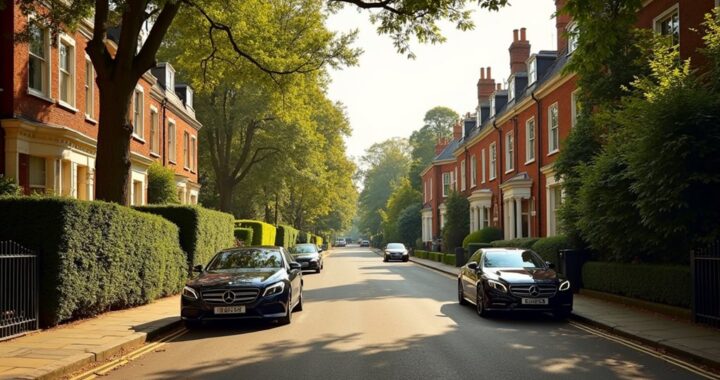

A viewing can show you the front door, but the right questions reveal the home behind it. When you speak with Chelmsford agents, ask about ownership history, renovations, condition, damp, subsidence, included fixtures, and council tax. You should also check transport, schools, parking, neighbours, service charges, planned developments, and likely running costs. Before you make an offer, clarify the negotiation process and what will be confirmed in writing—because one overlooked detail could change your decision.
Ask About the Home’s History

When viewing a home in Chelmsford, ask the local agent about its ownership, sale, and renovation history. Find out how long previous owners held the property and why they moved on. A quick succession of sales may warrant closer questions about pricing, presentation, or neighbourhood changes.
Ask whether the agent knows of any major property renovation, including extensions, loft conversions, or layout alterations, and request dates for the work. You should also ask whether planning permission or building-regulations approval was needed and obtained.
Clarify which improvements remain covered by guarantees, such as replacement windows or roofing. Local agents often know whether a home’s asking price reflects comparable sales, a past reduction, or strong buyer interest.
Their answers can help you judge the property’s story before making an offer.
Check the Property’s Current Condition
Look beyond the décor and ask the local agent about the property’s current condition, including the age of the roof, boiler, electrics, plumbing, windows, and insulation.
In Chelmsford’s varied housing stock, maintenance standards can differ sharply between Victorian terraces, post-war estates, and newer developments. Ask whether the seller knows of recent repairs, damp, subsidence, roof leaks, or recurring heating problems.
Check for cracks, staining, condensation, uneven floors, and sticking doors, as these may indicate issues affecting Structural integrity.
Test taps, radiators, windows, and lights during your viewing, where possible, rather than relying on appearances.
Also ask about locks, alarms, external lighting, and other Home security measures.
If anything concerns you, arrange an independent survey before committing. A surveyor can identify hidden defects and help you budget realistically for essential work.
Find Out What’s Included in the Sale
Ask the Chelmsford agent which fixtures and fittings will remain, as sellers may remove items you assume are included.
Confirm whether appliances and white goods are part of the agreed sale, and request a written list.
Don’t forget to check garden furniture, sheds, play equipment, and other outdoor items.
Included Fixtures And Fittings
Before making an offer, confirm with the local agent exactly which fixtures and fittings will remain at the Chelmsford property. Ask for a written inventory, as verbal assurances can cause disputes between exchange and completion. Clarify whether the seller will remove or replace anything before you move in, particularly items attached to walls, floors, or ceilings.
Check these details during your viewing:
- Curtain poles, blinds, mirrors, and wall-mounted shelving
- Light fittings, including decorative fixtures
- Bathroom mirrors, rails, and fitted storage
- Wardrobes, cupboards, and other built-in fittings
In Chelmsford’s varied housing stock, period homes may include original features, while newer developments often have standardised fittings. Confirm ownership of garden structures, sheds, and fixed outdoor seating too.
If something matters to you, ask the agent to add it to the fixtures-and-fittings list before you negotiate.
Appliances And White Goods
When viewing a Chelmsford home, confirm which appliances and white goods are included rather than assuming they’ll remain. Ask the local agent to list every item, including ovens, hobs, extractor fans, dishwashers, fridges, freezers, and washing machines.
This Kitchen appliances checklist helps you compare properties accurately and budget for replacements.
Clarify whether each appliance is freestanding or integrated, and check its age, condition, and working status during your viewing. You should also ask whether the seller plans to remove anything before completion.
In Chelmsford’s varied housing market, White goods inclusion can affect the true value and convenience of a move, particularly in flats or renovated homes with fitted kitchens.
Request that agreed items appear in the fixtures and fittings list, then confirm the details with your conveyancer before exchanging contracts.
Garden And Outdoor Items
Check with the Chelmsford agent exactly which garden and outdoor items will remain, including sheds, summerhouses, garden furniture, barbecues, storage boxes, planters, greenhouse structures, and outdoor play equipment. Don’t assume fixtures shown during your viewing form part of the sale. Ask the agent to confirm inclusions in writing and identify anything the seller plans to remove.
- Check sheds and summerhouses for damp, secure locks, and sound roofs.
- Confirm outdoor storage won’t be emptied or dismantled before completion.
- Ask whether furniture, barbecues, and play equipment meet safety expectations.
- Establish responsibility for removing unwanted items and restoring the garden.
These details affect your budget, especially if you’ll need replacements or disposal. In Chelmsford’s family-friendly neighbourhoods, useful garden features can strengthen a home’s appeal, while neglected structures create immediate costs. Clarify whether greenhouse panels, planters, and irrigation equipment stay.
You’ll then understand your garden maintenance commitments and can negotiate appropriately before making an offer.
Ask About Chelmsford Council Tax
Ask the agent which Chelmsford council tax band the property falls into and the current annual charge, as this can vary considerably between homes and developments. Confirm whether the figure reflects the latest council tax rates, and ask if any planned reassessment could alter future bills.
You should also check whether the seller receives a single-person discount or other reduction that won’t transfer to you.
For newer apartments, ask if the development includes separately billed communal services, since these can affect your monthly budget even though they aren’t council tax.
If the band seems unexpectedly high or low, compare similar nearby properties and check the Valuation Office Agency’s records. This won’t replace a professional property valuation, but it can highlight discrepancies before you make an offer.
Request the latest bill, too.
Explore Local Transport and Amenities
Ask the agent about nearby bus and rail links, including typical journey times to Chelmsford city centre and London.
You’ll also want to check the location of shops, supermarkets, GP surgeries, and other everyday services.
Ask whether planned transport changes or new amenities could affect convenience and future property demand.
Public Transport Links
How easily can you reach work, schools, and Chelmsford city centre from the property? Ask the agent which bus routes serve the area, how frequently they run, and whether services remain reliable during peak hours. Check walking times to stops, including safe crossings and evening lighting.
If you commute by rail, compare nearby train stations, their parking options, cycle storage, and direct connections to London, Colchester, or surrounding towns. Don’t rely solely on advertised journey times; test the route during your usual travel period.
- Ask about first and last bus times.
- Check weekday and weekend timetables.
- Confirm step-free access at stations.
- Investigate delays, cancellations, and planned works.
Your agent should explain how transport access affects demand and resale prospects. A short walk to dependable services can strengthen a home’s appeal, particularly for commuters and families.
Nearby Shops and Services
Transport is only part of a property’s day-to-day convenience; check which shops and services you can reach easily from the home. Ask the agent about local shop proximity, including supermarkets, independent grocers, pharmacies, bakeries and cafés.
In Chelmsford, a short walk to everyday essentials can make a noticeable difference, particularly if you work from home or have young children. Check nearby service availability too: GP surgeries, dentists, schools, childcare, banks, post offices and petrol stations may affect your routine and the property’s appeal to future buyers.
Don’t rely solely on online maps. Walk the route at different times, noting pavements, crossings, lighting and traffic. Also ask whether planned developments could add facilities—or increase pressure on existing shops and services.
Confirm opening hours and delivery options before deciding.
Question Noise, Parking and Neighbours
When viewing a home in Chelmsford, ask the local agent about typical noise levels, parking availability and the neighbours’ routines at different times of day. Check how traffic, trains, schools, pubs or aircraft affect mornings and evenings, particularly near busy routes and stations. Ask whether residents experience disputes, late-night activity or regular building work.
- Clarify parking restrictions, permits, visitor bays and enforcement.
- Visit at rush hour and after dark to test noise levels yourself.
- Ask about neighbour interactions, communal spaces and local traditions.
- Discuss community safety, lighting, reported incidents and residents’ concerns.
Your agent should explain whether parking becomes difficult during school runs or events, and whether nearby streets operate controlled zones. Speak politely with neighbours if possible; their experience can reveal patterns listings rarely mention.
Compare answers across viewings, and note anything you’ll want confirmed before making an offer.
Understand Running and Future Costs
Before you make an offer, ask the local agent for a realistic picture of the property’s ongoing and likely future costs. Request recent utility bills, council tax details, and, for flats, service-charge accounts and sinking-fund information.
Older homes around Chelmsford may need more heating, while larger properties can carry surprisingly high water and insurance costs. Ask whether the boiler, roof, windows, electrics, or drainage have required recent work, and when replacement might become necessary.
You’ll then judge future expenses against your budget, not just the asking price. Find out about planned major works, lease obligations, shared-maintenance arrangements, and any estate charges.
A knowledgeable local agent should explain typical costs for the area and property type, but verify figures independently before committing. Build a contingency fund for repairs, seasonal bills, and maintenance.
Ask What Happens After Your Offer

Once your offer is accepted, ask the Chelmsford agent to explain each step through to exchange and completion. Understanding the Offer process helps you plan finances, searches, surveys, and conveyancing without surprises. Ask who’ll handle communication, expected timescales, and what could delay your move.
Request clear advice about:
- When you should instruct a solicitor and arrange your mortgage valuation
- Which searches are standard locally, and whether the seller has answered enquiries
- How the agent will manage the chain and report progress
- What happens if the valuation is lower than your offer
Discuss Negotiation strategies before you commit. Your agent can explain when to renegotiate after a survey, how competing buyers may affect your position, and which terms could strengthen your bid.
Confirm fixtures, completion dates, and inclusions in writing, then keep every promise documented.
Frequently Asked Questions
Is the Property Leasehold, Freehold, or Share of Freehold?
First, ask whether the property is leasehold, freehold, or share of freehold. Clarify the ownership type, then request the lease details, including years remaining, ground rent, service charges, and planned increases.
In Chelmsford, a short lease can affect mortgageability and resale value, while escalating charges may reduce affordability.
If it’s share of freehold, confirm your percentage, management responsibilities, and any company obligations before making an offer.
Always have your solicitor verify everything.
Are There Any Restrictive Covenants Affecting Renovations or Property Use?
Ask the agent to confirm every restrictive covenant affecting renovations or property use, preferably in writing. Around 20% of UK homeowners reportedly discover title restrictions only after purchase, so don’t rely on verbal assurances.
Check the title register, transfer, and local authority records for Property restrictions, including extension, parking, business-use, or letting limits.
Clarify renovation limitations, enforcement rights, and consent fees.
Your conveyancer should review everything before you exchange contracts.
Has the Property Experienced Flooding or Drainage Problems?
Ask whether the property has a documented Flood history, including river, surface-water, or groundwater flooding. You’ll also want details of any Drainage issues, such as blocked culverts, overwhelmed sewers, damp basements, or repeated garden ponding.
Request dates, repair invoices, insurance claims, and guarantees.
In Chelmsford, check the Environment Agency flood maps and local council records, then arrange a drainage survey before committing, especially after heavy rainfall.
What Is the Seller’s Preferred Completion Date?
Ask the agent for the seller’s preferred completion date, because timing can steer your offer like a satnav through Chelmsford traffic.
If their target suits you, mention that flexibility during negotiations; it may strengthen your position, especially where multiple buyers compete.
Your negotiation strategies should include proposing an alternative date or rent-back arrangement.
Check legal considerations with your solicitor, including mortgage deadlines, searches, and whether the date remains realistic before exchanging contracts.
Are There Competing Offers or Significant Interest From Other Buyers?
Ask the agent whether competing offers exist and how strong the Buyer interest appears. You’ll want specific information: the number of viewings, recent offers, whether any buyer has instructed a solicitor, and the seller’s preferred deadline.
Understanding Market competition helps you judge your position without overpaying. In Chelmsford, popular homes can attract swift bids, so ask whether best-and-final offers are expected and how the agent will communicate changes promptly.
Conclusion
As you walk through a Chelmsford home, look beyond fresh paint and bright windows. Ask questions that reveal its story, running costs and future risks, from council tax and transport to parking, neighbours and planned developments. Picture your daily life there, from the morning commute to evenings at home. Before you offer, get every promise in writing and clarify the next steps. With careful questions, you’ll turn a viewing into confident, well-informed decision-making.