Your exterior fence faces constant moisture, sun, wind, and temperature changes, but routine care can prevent costly rot and weather damage. Inspect it after storms, clean away dirt and mildew, and repair loose or decayed boards before problems spread. Once the wood is dry, apply an outdoor-rated sealant or stain, paying close attention to end grains and joints. Seasonal maintenance also includes clearing vegetation and improving drainage—steps that can reveal hidden trouble before it becomes a major repair.
Inspect Your Fence for Weather Damage
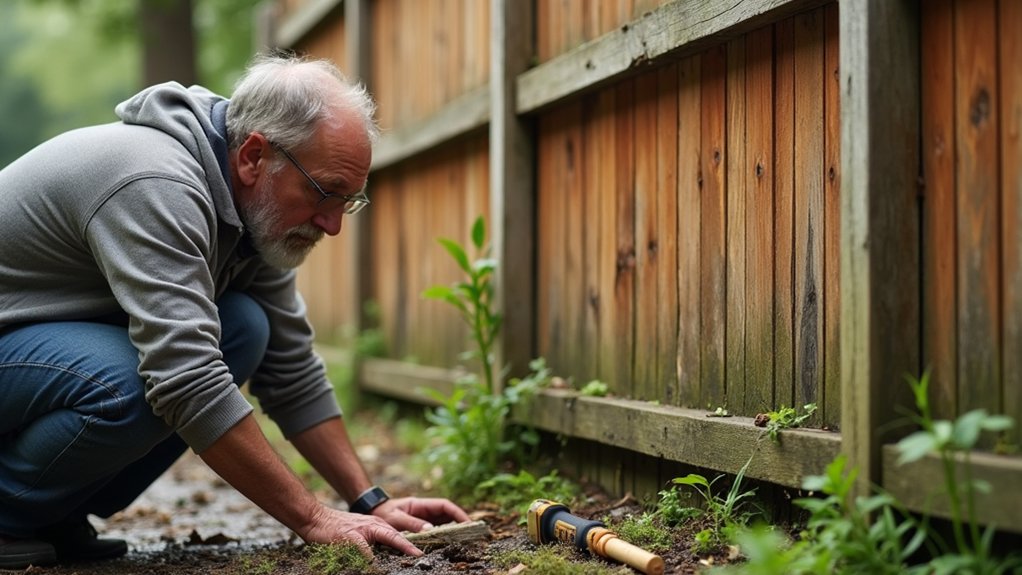
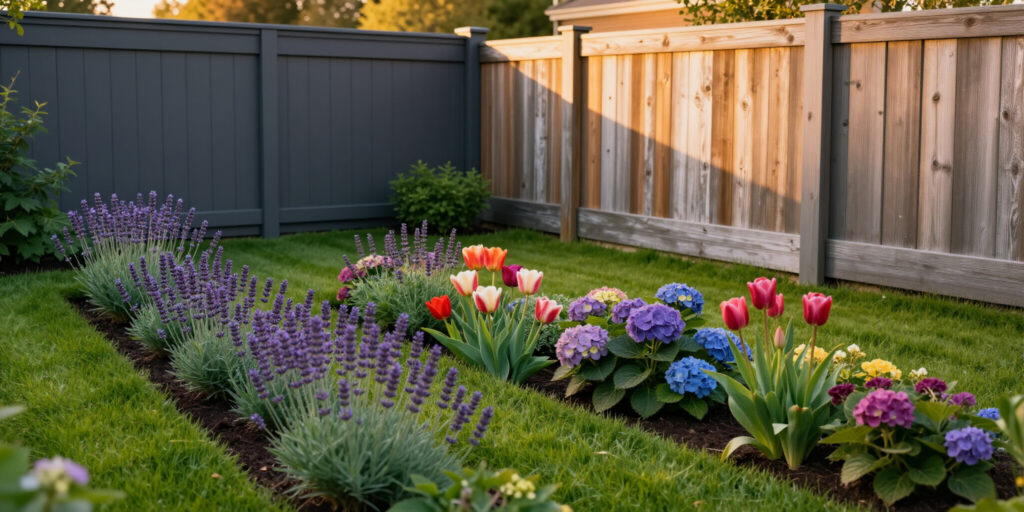
After storms, high winds, and seasonal temperature changes, inspect your fence for signs of weather damage. Walk the entire perimeter and check for leaning posts, loose rails, cracked boards, and gaps between pickets. You have a lovely garden, don’t let a scruffy fence spoil this.
Push each post gently; movement can indicate weakened footing, soil erosion, or rot below ground level. Look for lifted fasteners, split wood, warped panels, and peeling finish where moisture has penetrated.
Examine gate hinges, latches, and post connections, because wind stress often loosens hardware first.
Check the fence line for standing water, runoff channels, and debris pressing against boards. Also watch for holes, sawdust, tunnels, or weakened wood that may signal pest infestation.
Photograph problems and mark their locations. Schedule repairs promptly, especially before another freeze, heat wave, or major storm worsens damage.
Clean Exterior Fences Before Repairs
Before repairing an exterior fence, clean away dirt, mud, mildew, and plant debris so you can see the full extent of the damage. Choose a dry, mild day, and brush loose soil from boards, rails, and posts. Rinse with a garden hose, working from top to bottom, then use a fence-safe cleaner for persistent grime or mildew. Follow the label directions, protect nearby plants, and avoid blasting soft wood with a pressure washer.
Scrub gently around fasteners, joints, and decorative accents, where buildup often conceals defects. Let every surface dry completely before sanding, patching, or replacing damaged parts. Dry weather helps moisture leave the wood faster and produces better results.
If you plan fence staining, cleaning first guarantees even absorption and a more durable finish.
Stop Rot Before It Spreads
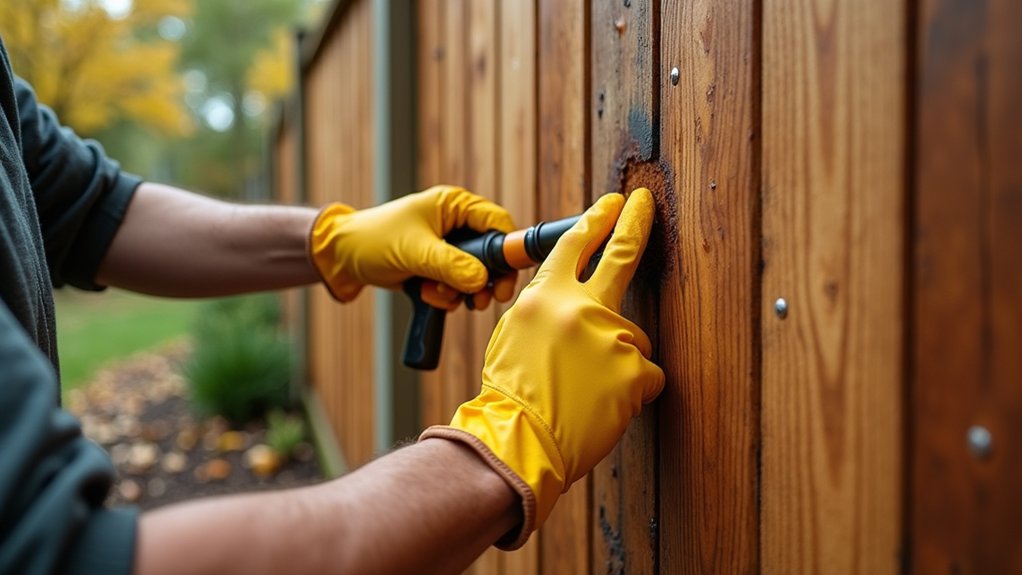
If fence wood stays damp around cracks, fasteners, or soil contact, rot can spread quickly through boards and posts. Inspect these trouble spots after heavy rain, snow, and prolonged humidity. Probe soft areas with a screwdriver, and mark damage before it expands. Replace severely decayed boards, posts, or rails rather than covering them.
Cut back nearby vegetation so sunlight and airflow can dry the fence. Keep soil, mulch, and standing water away from the base, and correct drainage that channels runoff against posts.
Check for carpenter ants, termites, and other insects; prompt Pest control can limit damage and reveal hidden decay. Apply compatible Preventative treatments to vulnerable, sound wood according to the product label.
Monitor repaired areas each season, especially before wet weather, and act quickly when discoloration, softness, or fungal growth returns.
Seal and Protect Exterior Fences
Once rot risks are under control, seal sound fence wood to block rain, snow, and humidity. Clean the surface, let it dry completely, and sand rough areas before applying a quality exterior stain or sealer.
Fence staining adds color while helping prevent water absorption, cracking, and ultraviolet damage. Choose a product labeled for outdoor wood, and follow its coverage and drying instructions closely.
Brush sealer into end grain, joints, and fastener holes, where moisture enters easily. Don’t coat damp, dirty, or peeling boards; repair or replace them first.
For pest prevention, keep soil, mulch, and vegetation from touching the fence, and seal gaps where insects could nest.
Apply thin, even coats in calm, dry weather, protecting nearby plants and surfaces from overspray and drips. Inspect the finished coating for missed spots.
Maintain Your Fence Through Every Season
Seasonal inspections help you catch fence damage before weather makes it worse. In spring, check posts, rails, and fasteners for movement, rot, and winter heaving. Tighten hardware, replace weakened boards, and clear soil or mulch from the fence line so moisture can escape.
During summer, wash away dirt, trim nearby plants, and refresh stain or sealant where sunlight has faded the finish.
Before autumn storms, remove branches that could strike the fence and confirm gates latch securely.
In winter, keep snow from pressing against boards, but don’t chip ice with sharp tools. Watch drainage year-round; standing water accelerates decay.
If you’re planning Fence installation, choose weather-resistant materials and proper post depth.
Protect nearby Garden decor from runoff, sprinklers, and falling limbs to reduce damage across the entire yard.
Frequently Asked Questions
How Often Should Exterior Fence Posts Be Replaced Entirely?
You should replace exterior fence posts when they show extensive rot, cracking, leaning, insect damage, or unstable footing—not on a fixed schedule.
Well-installed, pressure-treated wood posts often last 15–25 years, while untreated posts may fail within 5–10 years. Inspect them annually, especially after wet winters, flooding, or freeze-thaw cycles.
Your maintenance schedules should track age and condition to improve fence longevity. Replace compromised posts promptly before they damage adjoining rails or panels.
Can I Install a Fence Over an Underground Utility Line?
You can install a fence over an underground utility line only after you confirm its location and receive approval. Contact your local utility-locating service before digging, and maintain required utility line clearance.
Ask each utility company about access rules, easements, and future repairs. Choose removable panels or a non-permanent section where necessary.
Check local permits and fence height restrictions, then hand-dig near marked lines. Never assume shallow lines are safe.
What Permits Might Be Required for Exterior Fence Installation?
You’ll likely need a building or zoning permit, especially when your fence exceeds local fence height limits or sits near roads, sidewalks, wetlands, or drainage areas.
Before setting one post, confirm property boundaries with a survey; one misplaced line can create an expensive neighbor dispute after a storm.
Contact your city or county, homeowners association, and utility-locating service.
Requirements vary, so verify setbacks, materials, inspections, and fees before installation.
Which Fencing Materials Best Suit Coastal or High-Salt Environments?
For coastal or high-salt environments, choose vinyl, fiberglass, powder-coated aluminum, or marine-grade stainless steel fencing. These materials provide strong salt resistance and won’t absorb moisture like untreated wood.
If you prefer steel, specify hot-dip galvanizing plus a durable powder coating for corrosion protection, and inspect fasteners regularly. Avoid ordinary carbon steel and low-quality hardware.
Select UV-stable finishes, rinse surfaces with fresh water periodically, and repair chips promptly to prevent salt-driven corrosion and premature failure.
How Can I Prevent Termites From Damaging Wooden Fence Components?
You can prevent termites by keeping wooden fence components dry, elevated, and separated from soil. Install pressure-treated posts, maintain drainage, and remove mulch, leaves, and wood debris near the fence.
Apply a labeled Wood treatment annually, especially to cut ends and joints.
Add Termite barriers where posts enter the ground, and inspect regularly for mud tubes, hollow sounds, or discarded wings.
Replace infested wood promptly and consult a licensed pest professional for active colonies.
Conclusion
With a little attention, your fence can stand strong through every season. Inspect it after storms, clean away grime, replace damaged wood, and tighten loose fasteners before small problems grow. Treat rot promptly, then seal exposed end grains, joints, and holes to block moisture. Keep plants trimmed and drainage clear around the posts. Think of maintenance as a raincoat for your fence: regular care shields it from weather, pests, and costly deterioration for years to come.