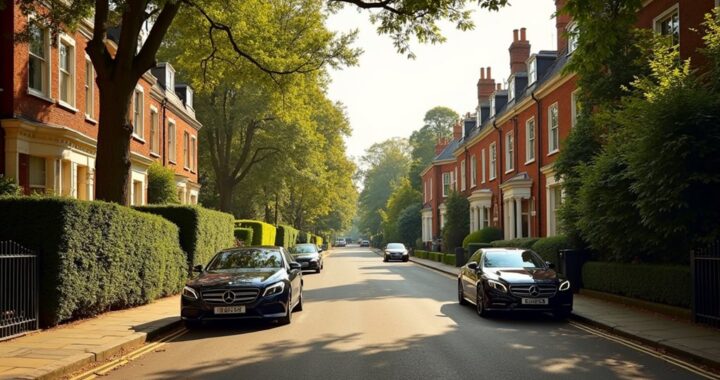

If you’re choosing a family home in northwest London, Harrow deserves a close look. You’ll find leafy streets, respected schools, parks, libraries, and useful transport links, with Pinner and Hatch End offering a village feel. However, prices vary sharply by neighbourhood, school catchment, and station access, while some roads feel busier and less settled. Before deciding, you’ll want to weigh Harrow’s strongest family advantages against the costs and compromises.
Is Harrow a Nice Place for Families?
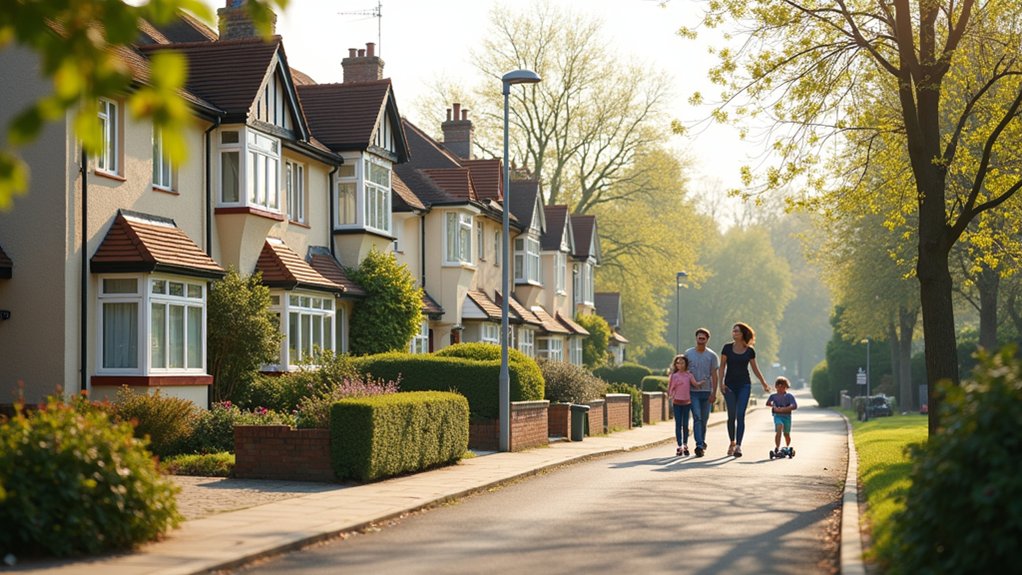
Harrow is a popular choice for families, offering a calmer suburban lifestyle without cutting you off from London. You’ll find a practical balance of green space, reliable services, and housing that often provides more room than inner London.
Community safety is generally reassuring, although conditions vary by street, so you should visit at different times before committing. Local schools, parks, libraries, sports clubs, and family activities give children plenty to do, while high streets provide everyday essentials without requiring a central-London trip.
Transportation options are another advantage: Metropolitan and Jubilee line services, National Rail links, buses, and road connections can make commuting manageable. Check journey times from your prospective home, particularly during peak hours.
Which Harrow Neighbourhoods Suit Families Best?
If you’re choosing a family home, start with the neighbourhood’s daily rhythm rather than its postcode. Pinner suits you if you want leafy streets, independent shops, and a village feel, while still reaching central Harrow conveniently.
North Harrow offers a quieter residential atmosphere, useful local amenities, and generally better value than Pinner.
South Harrow can work well when you prioritise transport links, varied housing, and access to everyday services.
Hatch End attracts families seeking attractive streets, cafés, and a more polished suburban setting, although prices often reflect demand.
Kenton gives you practical connectivity and a broad range of homes, making it worth comparing carefully.
Walk each area at different times, check parking, noise, community safety, and nearby green space.
Compare transportation options, commute times, and likely resale appeal before deciding.
How Good Are Harrow’s Schools?
School quality can be a major factor in Harrow’s family appeal, but you’ll need to compare individual catchments rather than rely on the borough’s overall reputation.
You’ll find strong primary and secondary options, including high-performing academies, grammar provision and well-regarded independent schools. However, admission boundaries can change, and popular schools often create fierce competition.
Check each school’s latest Ofsted report, performance data, sixth-form results and published admission rules. Then map the exact address to the current catchment; being nearby doesn’t guarantee a place.
Ask local estate agents about historic allocation distances, but verify everything with the council and school directly.
You’ll also find culturally diverse communities, where local cuisine and cultural festivals enrich children’s wider experience.
Factor transport, wraparound care and likely resale demand into your decision, not reputation alone.
What Parks and Family Activities Are Nearby?
You’ll find plenty of green space in Harrow, from spacious parks for play and picnics to quieter local recreation grounds.
Family-friendly leisure centres, playgrounds, and sports facilities give you easy options after school or at weekends.
For bigger outings, you’re also within reach of attractions across northwest London, making family life more varied.
Local Parks and Green Spaces
Harrow gives families plenty of accessible green space, from large parks such as Harrow Recreation Ground and Headstone Manor Recreation Ground to quieter local commons and playing fields. You’ll find room for weekend walks, picnics, informal ball games and cycling, while mature trees provide welcome shade in summer.
Headstone Manor’s surroundings combine open lawns with historic character, making it a useful local landmark for relaxed outings.
For wildlife, Bentley Priory Nature Reserve offers woodland paths and varied habitats, although some routes can feel uneven with a pushchair.
Check council listings for Community events, including seasonal fairs and outdoor activities in local parks.
Before choosing a home, walk the routes at different times; proximity, lighting and parking vary between neighbourhoods.
Families near Pinner, North Harrow and Harrow-on-the-Hill often enjoy particularly convenient access to green space.
Family-Friendly Leisure Activities
Beyond parks and open lawns, families in Harrow have plenty of ways to fill a weekend. You’ll find practical, weather-proof entertainment alongside relaxed places to eat, making family life easier year-round. Consider these local options:
- Indoor play centres give younger children space to climb, build confidence, and burn energy when rain disrupts outdoor plans.
- Harrow’s cinemas and community venues often screen family films, host workshops, or run holiday activities, so check schedules before travelling.
- Family dining is straightforward, with cafés and casual restaurants offering children’s menus and early-evening seating.
For value, book play sessions online and look for weekday discounts, especially during school holidays. Choose venues near public transport or with convenient parking, and check age limits before you go.
Local libraries also provide free story sessions and craft activities, helping you keep costs down while introducing children to new interests.
Weekend Outings Nearby
When the weekend arrives, families can choose from Harrow’s green spaces and nearby attractions without planning a major trip. Head to Roxbourne Park for playgrounds, a miniature railway, a lake, and open lawns where children can run safely.
Headstone Manor and Museum offers local history, gardens, and seasonal events, while Harrow Recreation Ground suits picnics and casual games.
For a change of scene, you can reach Wembley’s London Designer Outlet, cinemas, and indoor activities quickly by car or public transport.
Check weekend markets in Harrow or nearby Pinner for crafts, snacks, and family entertainment.
You’ll also find varied local cuisine, from cafés serving relaxed brunches to restaurants offering international dishes.
Pack layers, arrive early at popular spots, and check event times before setting out, particularly during school holidays.
How Easy Is Family Life Without a Car?
Can family life in Harrow work without a car? Yes, if you choose your neighbourhood carefully and plan around reliable Public transport. Harrow-on-the-Hill, West Harrow and Rayners Lane offer Underground access, while frequent buses connect residential streets with schools, shops and healthcare.
You can manage school runs, though check routes and journey times before choosing a home.
For everyday family life, local facilities make a bigger difference than driving. Walk to parks, libraries, supermarkets and Community events where possible, and keep a folding scooter or bike handy for short trips.
Rainy-day journeys may require extra planning, particularly with younger children.
- Use TfL’s journey planner before committing to a school route.
- Check pavements, crossings and bus-stop access with a pushchair.
- Choose a home within walking distance of essential amenities.
You’ll still value occasional taxis for late evenings or bulky shopping.
What Does Family Living in Harrow Cost?
You’ll find that Harrow’s family budget depends largely on property prices, which vary noticeably between neighbourhoods and property types.
Childcare can add a substantial monthly commitment, while groceries, transport, utilities, and other household costs steadily shape your day-to-day spending.
Planning these figures together will give you a more realistic picture of what family life in Harrow may cost.
Property Prices
Property prices in Harrow vary considerably by neighbourhood and property type, but family buyers can generally expect to pay more for larger homes, strong school catchments and convenient transport links.
You’ll typically find better value in older terraces or flats, while detached houses and period properties command a premium, particularly around Pinner, Harrow-on-the-Hill and North Harrow.
- Compare sold prices, not just asking prices, before making an offer.
- Check lease length, service charges and planned maintenance for flats.
- Budget for surveys, stamp duty, moving costs and future improvements.
Luxury housing sits at the top end, yet well-presented semi-detached homes can also attract intense competition.
Your commuting options matter: proximity to the Metropolitan line, Overground connections or reliable bus routes can significantly influence resale value.
Speak with local agents, monitor listings for several weeks and arrange a full structural survey before committing.
Childcare Expenses
Childcare costs in Harrow depend on your child’s age, hours and setting, with nurseries and childminders generally charging more for full-time places and younger children. You’ll usually pay less for school-age wraparound care than for an under-two nursery place, but prices vary between areas such as Pinner, Stanmore and central Harrow.
Ask providers about registration fees, deposits, meals, holiday charges and late collection penalties before comparing rates. Check whether you qualify for funded hours from age two or three, and apply early because popular settings can have waiting lists.
Tax-Free Childcare may reduce your bill, while Universal Credit could help eligible households. Grandparents or relatives can also make a significant difference through parental support.
To improve childcare affordability, compare flexible sessions, employer schemes and nearby childminders before committing to a property.
Everyday Household Costs
Once childcare is accounted for, your wider household budget will depend on Harrow’s energy bills, council tax, food shop, transport and everyday services. Compare providers before moving, and check your exact council-tax band, as charges vary between streets. A family food shop can stay manageable if you mix supermarkets with independent shops and seasonal Local cuisine ingredients. Shopping centers such as St Anns and St George’s offer convenience, but local markets may deliver better value.
- Set a monthly energy direct-debit review and submit regular meter readings.
- Price weekly travel carefully: buses, trains and school runs can quickly add up.
- Keep a buffer for repairs, school costs, prescriptions and occasional meals out.
You’ll generally pay more near premium transport links, while outer pockets may offer savings. Ask neighbours about parking, refuse collections and reliable tradespeople; these small details can shape your real monthly spending more than headline property costs.
What Are the Main Pros and Cons of Harrow?
Harrow appeals to families with excellent schools, leafy neighbourhoods, reliable transport links and more space than many inner-London areas, while still offering straightforward access to central London. You’ll also find strong community safety in many residential streets, varied local amenities, parks, libraries and active community groups.
The main advantage is choice: you can compare lively Harrow-on-the-Hill with quieter Pinner, North Harrow or Stanmore, depending on your budget and lifestyle. Family-sized homes and gardens are generally easier to find than in inner London, although desirable roads command high prices.
The drawbacks include expensive property, uneven school catchment boundaries and busy traffic around major routes. Some pockets feel less connected without a car, and commuting costs can add up.
Before buying, check evening noise, parking, station access and local services in person.
Frequently Asked Questions
How Safe Is Harrow for Families?
You’ll generally find Harrow safe for families, though conditions vary by neighbourhood and time of day. Check recent Metropolitan Police data for your specific postcode, and visit streets after dark before committing.
Well-used Local parks can feel welcoming, but supervise children and avoid quieter areas at night.
Good transportation options improve convenience, yet stations and busy high streets need normal urban caution.
Speak with residents, inspect lighting, and compare crime trends when choosing your home.
What Healthcare Services Are Available for Families in Harrow?
You’ll find strong healthcare amenities across Harrow, with GP surgeries, pharmacies, dentists, opticians, and health visitors supporting everyday family needs.
Northwick Park Hospital provides accident and emergency care, maternity services, paediatrics, outpatient clinics, and specialist treatment nearby.
In ye olde modern world, you can usually book GP appointments online, but registration areas vary, so check before moving.
Choose a home near reliable transport and your preferred surgery.
How Diverse and Welcoming Is Harrow’s Community?
You’ll find Harrow’s community diverse and generally welcoming, with residents representing many cultures, faiths, and languages. Community events, from cultural festivals to fairs, help neighbours connect throughout the year.
Explore different neighbourhoods, because each has its own character and social mix.
Local amenities, including independent shops, restaurants, places of worship, libraries, and sports clubs, support everyday integration.
Try local groups and school networks to build connections quickly and discover the area’s friendly, practical side.
Are There Family-Friendly Restaurants and Cafés in Harrow?
Yes, you’ll find plenty of family-friendly restaurants and cafés in Harrow, despite the area’s reputation for limited evening choices. Local dining options range from Indian and Mediterranean restaurants to casual pizza and burger spots, many offering children’s menus and highchairs.
For relaxed daytime visits, look around Pinner Road, Harrow-on-the-Hill, and Hatch End for child friendly cafes with room for buggies. Booking ahead helps during weekends, especially near popular shopping areas.
What Childcare and Nursery Options Are Available in Harrow?
You’ll find plenty of childcare and nursery options across Harrow, including council-supported nursery classes, private day nurseries, preschools, childminders, and wraparound care.
Compare Ofsted ratings, opening hours, waiting lists, staff ratios, and holiday provision before applying.
Childcare affordability varies considerably, so check funded-hours eligibility and ask providers about deposits or additional charges.
Nursery curriculum options range from play-based Early Years provision to Montessori-inspired settings.
Visit several nurseries to judge atmosphere, communication, and convenience.
Conclusion
If you’re raising a family, Harrow can feel like a green bridge between London convenience and suburban calm. Imagine finishing school pickup, walking through Pinner’s leafy streets, and reaching a playground before dinner—that’s everyday life here. Strong schools, parks, libraries, and Tube links make the borough practical, though high property prices and uneven transport connections deserve careful research. Visit each neighbourhood at school-run time, compare catchments, and check your commute before deciding.