Imagine starting your morning with a Thames-side walk, commuting to London, and ending the day at a welcoming local pub—that’s everyday life for many Marlow residents. You’ll find attractive riverside scenery, strong community ties, good schools, and plenty of outdoor activities, but you’ll also face higher property prices and busy transport routes. If you’re considering the move, the right neighbourhood and lifestyle fit matter more than the postcard appeal alone.
Is Marlow a Nice Place to Live?

Marlow is a highly appealing place to live, particularly if you value riverside scenery, a strong community atmosphere, and convenient access to nature. You’ll find a well-presented town with attractive streets, useful amenities, and a generally relaxed pace.
Independent shops, cafés, and restaurants give the centre character, while the local cuisine ranges from casual lunches to refined dining. The nightlife scene remains modest rather than extensive, so you’ll appreciate Marlow most if you prefer sociable pubs, quiet evenings, and occasional live entertainment over late-night clubs.
Families benefit from reputable schools, parks, and community activities, while commuters can reach London by rail or road, though peak-time journeys may test your patience.
Property prices reflect Marlow’s desirability, making careful budgeting essential. Overall, it offers quality and convenience without feeling overly urban.
What Makes Marlow’s Riverside Lifestyle Appealing?
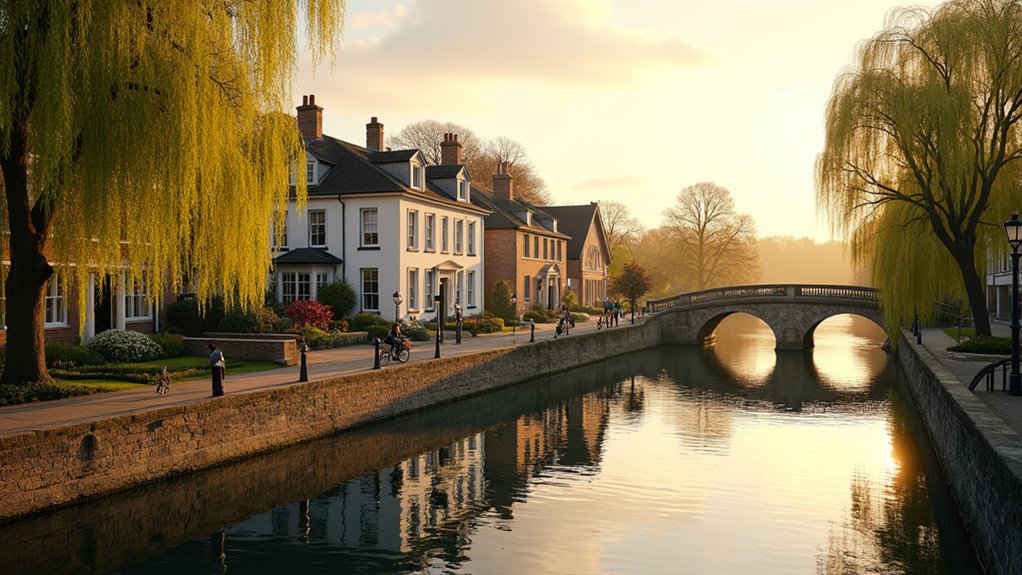
With the River Thames shaping daily life, Marlow offers a riverside lifestyle that feels both scenic and practical. You can start your morning with a walk along the towpath, cycle towards nearby villages, or pause beside the water before work.
The river creates easy opportunities for River activities, including rowing, paddleboarding, kayaking, and leisurely boating, while local clubs help you build confidence and meet neighbours.
When you want a quieter day, you can enjoy scenic views from Marlow Bridge, Higginson Park, or riverside cafés. Green spaces provide room for picnics, informal exercise, and family time without leaving town.
The compact centre also keeps shops, restaurants, and community facilities within convenient reach. This balance lets you enjoy nature regularly while maintaining an active, connected routine throughout the week.
How Much Does It Cost to Live in Marlow?
Marlow commands premium property prices, so you’ll need to assess whether local homes fit your budget.
You’ll also need to account for everyday expenses, including groceries, transport, utilities, and leisure.
Together, these costs will shape the affordability of your riverside lifestyle.
Average Property Prices
So, how much should you budget to live in Marlow? Property prices sit above the national average, reflecting strong demand for riverside homes, excellent schools, attractive streets, and convenient links to London.
You’ll typically pay more for period houses near the town centre, the Thames, and historic landmarks, while modern flats and properties farther out can offer better value.
Detached family homes command the highest prices, particularly those with gardens, parking, or river views.
Before making an offer, compare recent sold prices rather than relying solely on listing figures, and allow for surveys, legal fees, stamp duty, and maintenance.
River activities and Marlow’s appealing lifestyle can support long-term demand, but you should assess affordability carefully.
A mortgage agreement in principle will clarify your realistic budget and strengthen your position with sellers.
Everyday Living Expenses
Beyond the purchase price or rent, you’ll need to budget for everyday expenses in Marlow, which can also exceed those in nearby towns. Groceries, utilities, transport, childcare, and leisure costs depend on your household, but central convenience often carries a premium.
You’ll find supermarkets for routine purchases, while local shopping at independent butchers, bakeries, and specialist stores can cost more than larger out-of-town retailers. Affordable dining remains possible if you choose cafés, pubs, takeaway options, or lunch deals carefully, although riverside venues and upscale restaurants quickly raise your monthly spending.
Commuting costs deserve attention, particularly if you travel regularly to London. To plan accurately, track current spending, compare local prices, and allow room for seasonal bills.
A realistic budget helps you enjoy Marlow without overstretching your finances.
Are Marlow’s Schools and Amenities Good?
If you’re considering a move, you’ll find that Marlow combines well-regarded schools with practical everyday amenities. School quality is a major attraction, with respected primary and secondary options nearby. However, you should check catchment areas and admissions criteria before committing to a property. Visiting schools can help you compare teaching approaches, facilities, pastoral support, and extracurricular opportunities.
For daily life, local amenities cover most essentials. You’ll find independent shops, supermarkets, cafés, restaurants, pharmacies, healthcare services, and useful professional businesses in and around the town centre. Families also benefit from parks, sports clubs, libraries, and community activities, while the riverside setting adds appealing outdoor space.
Marlow’s amenities feel convenient without losing its traditional character. If you need specialist services or extensive retail choice, you may occasionally travel farther. So consider your household’s priorities carefully.
How Easy Is Commuting From Marlow?
Marlow offers practical commuter links, particularly for journeys towards High Wycombe, Maidenhead, Reading, and London. You can reach Maidenhead by bus or car, then connect with fast Elizabeth line services towards London.
While High Wycombe provides another useful rail and road option. Marlow station links to Maidenhead via Bourne End, although you’ll need to change trains, so check timetables before travelling.
Public transport works well for planned journeys, but evening and weekend services may be less frequent.
If you drive, the A404 gives you access to the M4 and M40, widening your commuting options. However, traffic congestion can build on the A404, local approaches, and routes towards Maidenhead during peak hours.
You’ll benefit from testing your exact journey at rush hour before choosing where to live.
Which Parts of Marlow Suit Different Lifestyles?
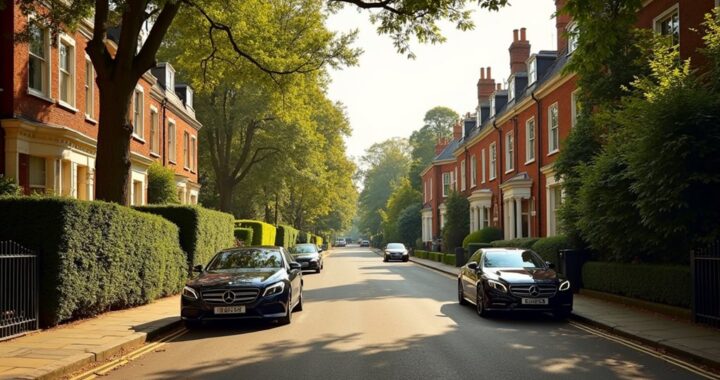
Different parts of Marlow appeal to different priorities, from lively central streets and riverside walks to quieter residential roads on the outskirts.
Choose the town centre if you want cafés, independent shops, local cuisine, and easy access to historical landmarks such as Marlow Bridge and the church.
Riverside streets suit you if daily walks, scenic views, and proximity to the Thames matter most, though demand can increase prices and weekend activity.
For more space and a calmer atmosphere, consider residential areas towards the edges, where gardens, schools, and convenient road links become more prominent.
Hillside locations can provide attractive views, while roads near the station offer practical connections without placing you directly in the busiest core.
Compare noise, parking, housing style, and walking distances before deciding where to settle.
Who Will Enjoy Living in Marlow Most?

You’ll enjoy Marlow most if you value riverside walks, accessible countryside, and an active outdoor lifestyle.
Commuters benefit from convenient transport links, while families can rely on welcoming neighbourhoods, schools, and community activities.
Consider how these advantages match your daily priorities before deciding whether Marlow suits you.
Nature Lovers and Walkers
If you enjoy riverside walks, woodland trails and accessible countryside, Marlow offers an appealing setting for an active lifestyle. You can follow paths beside the River Thames, explore nearby beechwoods, and reach open countryside without travelling far.
Wildlife habitats along the river and surrounding green spaces support swans, kingfishers, herons, and varied insects, making everyday walks rewarding for nature enthusiasts.
River activities, including kayaking, rowing, and paddleboarding, add variety for those who prefer active time on the water.
You’ll find routes suitable for relaxed strolls as well as longer hikes, though some paths can become muddy after rain. Comfortable footwear and checking local access conditions will help you enjoy the area year-round.
Marlow suits you best if you value outdoor space, wildlife, and an energetic community lifestyle.
Commuters Seeking Convenience
For commuters seeking convenience, Marlow offers a practical balance between riverside living and access to major employment centres. You can reach London by train from nearby Marlow station, with connections typically taking around an hour.
While road links to High Wycombe, Maidenhead, and the M4 support drivers. If you work locally or commute several days weekly, check peak-time reliability, parking costs, and onward connections before choosing your home.
Marlow’s compact centre also reduces daily travel: you can walk between shops, cafés, services, and the station rather than depend on a car. After work, River activities provide an easy way to unwind, and Local cuisine gives you attractive dining options close to home.
You’ll enjoy Marlow most if you value efficient commuting without sacrificing a lively, scenic town setting.
Families Wanting Community
Families who value a strong sense of community will find Marlow especially appealing. You’ll discover welcoming neighbourhoods, active schools, and plenty of opportunities to meet other parents through clubs, sports, and local groups.
The town’s compact layout makes everyday connections easier, whether you’re walking to school, visiting the riverside, or browsing independent shops.
Your family can also build relationships through regular cultural events, from festivals and performances to community celebrations.
Local dining adds another social dimension, with cafés, pubs, and restaurants providing relaxed places to gather after school or at weekends.
Marlow’s community focus suits you best if you want children to grow up in a friendly, engaged environment rather than an anonymous suburb.
Before moving, explore different neighbourhoods and check school catchments to find the right fit.
Frequently Asked Questions
Is Marlow Dog-Friendly, With Suitable Parks and Walking Routes?
Yes, Marlow is dog-friendly, with plenty of green space and riverside access. You’ll find pet friendly parks where dogs can exercise, although some areas require leads or restrict access during busy periods.
The Thames Path provides scenic walking routes through meadows, woodland, and the town’s attractive surroundings. You should check local signs, carry waste bags, and avoid livestock fields.
Nearby Hambleden Valley also offers longer countryside walks for active dogs and owners.
What Healthcare Services and Medical Facilities Are Available in Marlow?
Marlow offers a healthcare safety net so strong it could move mountains. You’ll find several GP practices, community pharmacies, dentists, opticians, physiotherapy providers, and private clinics locally.
For hospital care, you can reach nearby hospitals in High Wycombe, including Wycombe Hospital, with specialist services and urgent treatment.
Check NHS registration availability, waiting times, and transport links before moving. Real estate trends and local school ratings can also influence your decision.
How Safe Is Marlow, and What Are Its Local Crime Rates?
You’ll generally find Marlow safe, with crime levels typically below those of larger nearby towns. Most reported incidents involve vehicle offences, theft, or antisocial behaviour rather than serious violence.
Though rates vary by neighbourhood and year, check Thames Valley Police’s crime map for current figures before moving.
Strong community networks and desirable schools support confidence, while real estate trends and the town’s historical significance attract residents.
This can potentially increase pressure around parking and nightlife.
Does Marlow Host Regular Events, Festivals, or Community Activities?
Yes, you’ll find regular events, festivals, and community activities in Marlow throughout the year. You can join town-centre celebrations, seasonal markets, charity fundraisers, arts programmes, and riverside gatherings.
Annual highlights often include the Marlow Town Regatta and local fairs, while clubs and voluntary groups provide ongoing community engagement.
Check the council, Marlow Town Regatta, and community noticeboards for confirmed dates. These events showcase local traditions and help you connect with residents.
What Broadband and Mobile Coverage Can Residents Expect Throughout Marlow?
You’ll generally find strong broadband and mobile coverage throughout Marlow, although performance varies by street and provider.
Fibre broadband reaches many homes, with full-fibre availability expanding; check your exact address before signing a contract.
Major mobile networks typically provide reliable 4G, while 5G coverage continues to grow.
Older buildings near historical landmarks may need upgraded wiring.
If you run a local business or work remotely, compare speed tests, customer reviews, and backup options before choosing.
Conclusion
If you’re seeking a riverside home, Marlow offers an appealing blend of beauty, community, and convenience. You can stroll beside the Thames, cycle through leafy lanes, and enjoy welcoming cafés, excellent schools, and lively local events. However, you’ll need to budget for higher property prices and weigh your commuting needs carefully. For families, professionals, and outdoor lovers who value an active, picturesque lifestyle, Marlow provides a rewarding setting where everyday life feels invigoratingly close to nature.