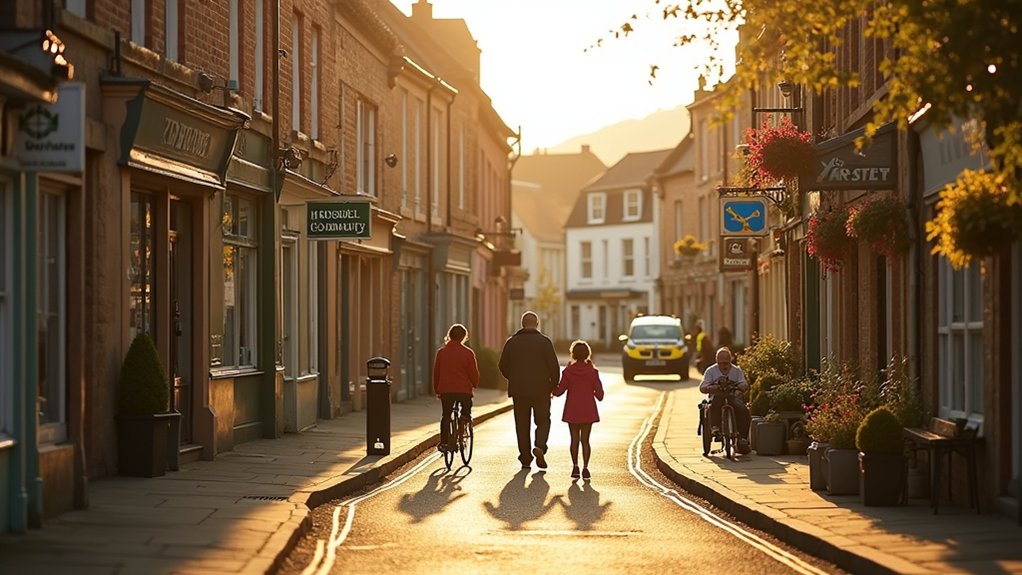
If you’re considering Totnes, you’ll find a generally safe, welcoming town with a strong community spirit, independent shops, and active local groups. Crime levels are relatively low, but they can vary by neighbourhood and time, so checking current police data and visiting at different hours is sensible. Families, retirees, and environmentally minded residents often appreciate the amenities and connection, though the town’s pace and housing costs may not suit everyone.
Is Totnes a Safe Place to Live?
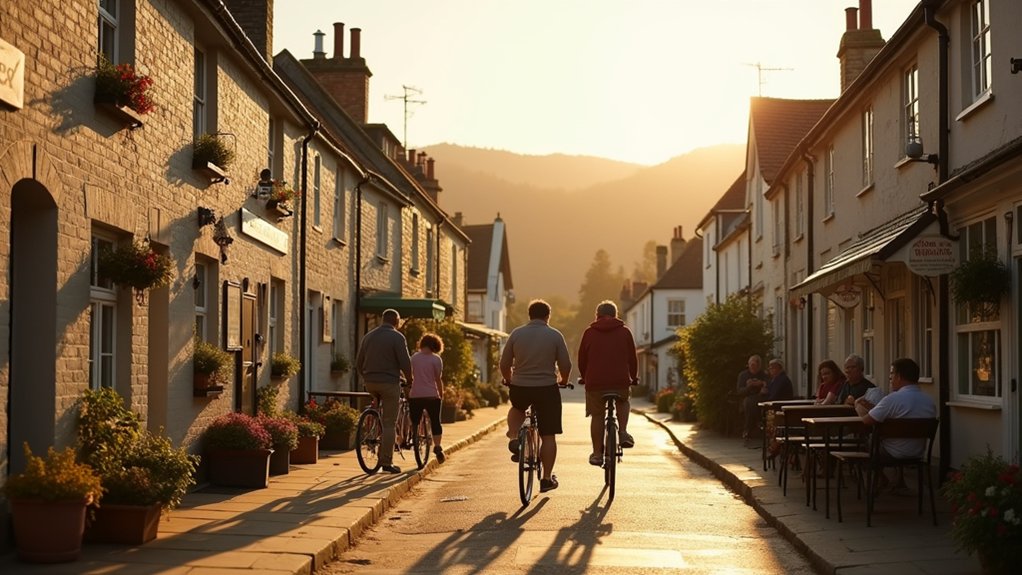
Totnes is generally considered a safe place to live, with a community-oriented atmosphere and lower crime levels than many larger urban areas. You’ll find a walkable centre, active local groups, and neighbourhoods where residents often look out for one another.
However, safety can vary by street and time, so you should check current Devon and Cornwall Police data, visit potential areas at different hours, and ask residents about everyday concerns. Good lighting, secure doors, and sensible routines still matter, particularly near transport hubs and busy evening venues.
Local history shapes Totnes’s strong civic identity, while scenic landscapes encourage outdoor activity and community interaction.
If you’re choosing a home, assess access to services, traffic, flood risks, and emergency support alongside general impressions. This practical approach helps you judge whether the town suits your needs.
How Does Totnes Compare on Crime?
Looking beyond general impressions, crime comparisons depend on the measure used and the area included. Totnes may record fewer incidents than larger urban centres, but town-level averages can conceal differences between streets, neighbourhoods, and nearby rural communities.
You should compare police data with similarly sized towns, not just Devon’s overall rate. Check rates per 1,000 residents, recent trends, and offence categories, since theft, antisocial behaviour, and violence affect perceptions differently.
Tourist attractions and seasonal visitors can increase reported incidents in the centre without indicating equal risk for residents. Local history and the town’s compact layout may also shape reporting patterns and police visibility.
For a practical assessment, review current Devon and Cornwall Police figures, examine the specific area you’re considering, and visit at different times before deciding where to live.
What Makes Totnes a Friendly Community?
Friendly community life in Totnes is often linked to its compact centre, independent businesses, community groups, and regular events, which give residents repeated opportunities to meet. You’ll find that familiarity can grow through:
- Local traditions: Markets, seasonal celebrations, and long-established gatherings help connect newcomers with residents who already know the town’s rhythms.
- Community events: Talks, performances, festivals, and volunteering create practical ways for you to participate, rather than simply observe.
- Community organisations: Clubs and local campaigns can build relationships around shared interests, values, or concerns.
Still, friendliness isn’t automatic. You may need to attend regularly, introduce yourself, and explore groups beyond your immediate circle. Research on social connection generally links repeated, low-pressure contact with stronger trust, but experiences vary.
Totnes can feel welcoming when you take part; quieter residents may find the social scene takes time to enter.
Which Amenities Make Daily Life Easier?
Because most essentials are concentrated around the town centre, daily errands in Totnes can often be managed without a car. You’ll find independent grocers, pharmacies, cafés, banks, and other shopping facilities within a walkable area, while weekly markets add further choice.
Totnes railway station provides regular services towards Exeter and Plymouth, and local buses connect nearby villages and larger supermarkets. These local transportation options can make commuting and appointments more manageable, although rural routes may be less frequent in evenings and on Sundays.
A town-centre health centre, dentists, post office, library, and schools cover many routine needs, but specialist medical care and extensive retail choice may require travel. Check opening hours, bus timetables, and parking availability before relying on any service, particularly outside peak periods or during holiday seasons.
Who Will Enjoy Living in Totnes Most?
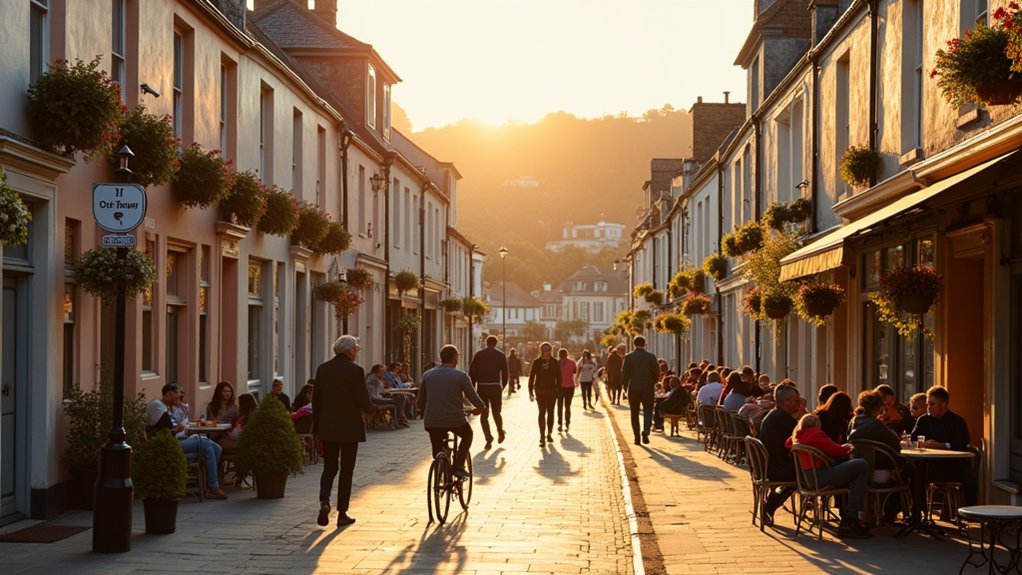
Totnes is likely to suit people who value community life, independent businesses, access to nature, and a slower pace, while still needing rail links to Exeter or Plymouth.
You’re most likely to enjoy it if you fit one of these groups:
- Community-minded residents: You’ll find volunteering opportunities, local events, and independent shops that encourage regular social contact.
- Culture and history enthusiasts: Historical landmarks, including Totnes Castle and the medieval High Street, provide accessible heritage without requiring long journeys.
- Outdoor-focused households: You can reach the River Dart, nearby countryside, and walking routes easily, while local dining options support relaxed evenings.
Totnes may suit families, retirees, remote workers, and environmentally conscious households particularly well.
However, you’ll need to accept limited nightlife, seasonal visitor numbers, and potentially higher housing costs than some surrounding villages.
If you prefer extensive retail choices, fast commuting, or anonymity, another location may fit better.
Frequently Asked Questions
Is Public Transportation Reliable in Totnes?
Public transit in Totnes is generally reliable, but you should expect rural limitations.
Frequent trains connect Totnes station with Exeter, Plymouth, and London, though delays and cancellations occasionally occur.
Buses serve the town and nearby villages, but schedules can be less frequent, especially evenings, Sundays, and holidays.
Your best transportation options depend on destination and time.
Check live timetables before traveling, and keep a backup plan for late journeys.
What Are Housing Costs Like in Totnes?
You’ll find housing costs in Totnes relatively high for South Devon, especially for period homes and properties near the town centre. Current listings suggest prices vary widely by size, condition, and location.
While rents remain competitive because demand exceeds supply. For housing affordability, compare nearby villages and factor in commuting costs.
Property market trends can shift seasonally, so review recent sold prices, not just asking prices, and budget carefully for maintenance and council tax.
Are There Good Schools Near Totnes?
You’ll find several well-regarded schools near Totnes, including primary options in town and secondary provision at King Edward VI Community College.
School quality can vary by inspection outcome, year group, and admissions demand, so check current Ofsted reports, performance data, catchment boundaries, and published policies before moving.
The local community also supports nurseries, independent education, and nearby alternatives in South Hams, but daily transport times deserve careful consideration.
How Accessible Is Totnes for Healthcare Services?
You’ll find reasonable medical accessibility in Totnes, with local GP practices, pharmacies, dentists, and community services supporting routine care.
Totnes Hospital provides outpatient and community-based services, while larger facilities, including Torbay Hospital in Torquay, handle emergency and specialist treatment roughly 15 miles away.
You should check GP registration and transport options before moving.
Healthcare facilities cover everyday needs, but complex care may require travel beyond town, particularly without a car.
What Is the Local Weather Like Throughout the Year?
You’ll find Totnes has a mild, maritime climate: cool, wet winters, changeable springs, generally warm summers, and damp autumns—think soft rain and occasional sunshine rather than extremes.
You’ll typically need waterproof layers year-round, though July and August bring the best chance of brighter, drier days.
Coastal influence moderates temperatures, but showers can arrive quickly.
Community events continue through variable weather, while local safety initiatives help residents prepare for storms and flooding.
Conclusion
Ultimately, Totnes offers a safe, sociable setting for people seeking small-town life. You’ll find friendly faces, independent shops, useful amenities, and active community groups that make daily living feel connected and convenient. Crime can vary by street and time, so you should still stay alert and explore the area at different hours. Families, retirees, and environmentally minded residents may especially enjoy Totnes’s relaxed rhythm, welcoming spirit, and strong sense of community.