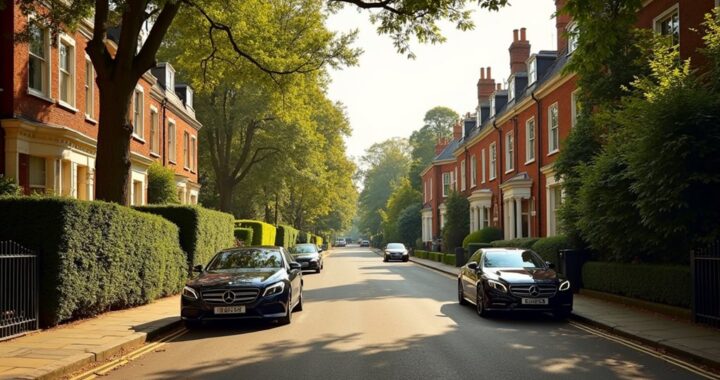

Staines offers strong buyer demand and limited supply, yet not every property is moving quickly. You’ll find well-presented homes near stations, the Thames, and local amenities attracting competition, while overpriced or renovation-heavy listings can linger. Prices remain supported by transport links, gardens, parking, and energy-efficient features, but negotiation still matters. If you’re buying or selling, the outcome depends less on the headline market and more on the property’s condition, location, and pricing strategy.
What Is the Staines Housing Market Like Now?

The Staines housing market is currently defined by resilient demand, limited supply, and more selective buyers as higher borrowing costs continue to influence affordability. You’ll find that well-presented homes near the station, Thames riverside, and strong local amenities attract the most attention, while properties needing substantial work take longer to secure offers.
Market trends also show buyers placing greater emphasis on energy efficiency, adaptable space, and reliable transport links. Sellers can’t assume earlier pricing strategies will work; accurate valuation, strong presentation, and realistic negotiation now matter more.
Demand remains diverse, spanning commuters, families, downsizers, and investors, although each group assesses value differently. Luxury apartments appeal to professionals seeking convenience, but purchasers increasingly scrutinise service charges, lease terms, and building quality.
How Much Do Staines Homes Cost?
With demand holding firm but buyers scrutinising value more closely, Staines home prices vary sharply by property type, location, condition, and tenure. You’ll typically pay less for a dated flat or leasehold apartment than for a renovated freehold house, while proximity to the station, Thames, schools, and transport links commands a measurable premium.
Luxury apartments can attract high prices per square metre, particularly when they offer parking, balconies, concierge services, or river views. For houses, family-friendly neighborhoods around Lammas Park, Shortwood Common, and well-regarded schools often support stronger asking prices, although condition still determines value.
You should compare sold-price evidence, not just portal listings, and adjust for floor area, plot size, lease length, service charges, and required works. Mortgage rates and affordability remain *vital* influences on your realistic budget.
Which Staines Properties Are Selling Fastest?
Well-priced, move-in-ready homes in Staines are generally selling fastest, particularly two- and three-bedroom houses near the station, Thames, schools, and major road links.
If you’re buying, expect the strongest competition for properties with modern kitchens, usable gardens, parking, and efficient layouts.
Homes needing substantial renovation usually take longer, unless sellers price them sharply to reflect the work.
Flats can also move quickly when service charges are reasonable, leases are healthy, and asking prices compare favourably with nearby houses.
You’ll see demand vary by condition and price bracket, so recent sold evidence matters more than optimistic asking prices.
For Property investment, compact houses and well-located flats often offer the broadest tenant appeal.
Watch Market trends closely: accurately priced, chain-free listings typically attract offers sooner than overvalued alternatives.
What Is Driving Buyer Demand in Staines?
Buyer demand in Staines is being driven by its strong commuter connectivity, relative value against much of west London, and access to the Thames, schools, green space, and everyday amenities.
If you’re comparing locations, you’ll also notice several practical demand supports:
- Fast rail links to London Waterloo strengthen weekday commuting.
- Road access to the M25, M3, and Heathrow broadens employment options.
- A varied housing stock attracts first-time buyers, families, and downsizers.
- Riverside amenities and regeneration potential support longer-term appeal.
Market trends show buyers remain price-sensitive, but well-presented homes in connected streets can still attract competition.
Hybrid working has widened the search area, increasing interest in properties offering an extra room, garden, or flexible workspace.
Meanwhile, rental demand from commuters and local employees creates Investment opportunities, although yields depend on purchase prices, regulation, finance costs, and ongoing maintenance.
These drivers support sustained enquiry without guaranteeing uniform price growth across every property type or neighbourhood.
Is Staines a Good Place to Buy or Sell Now?
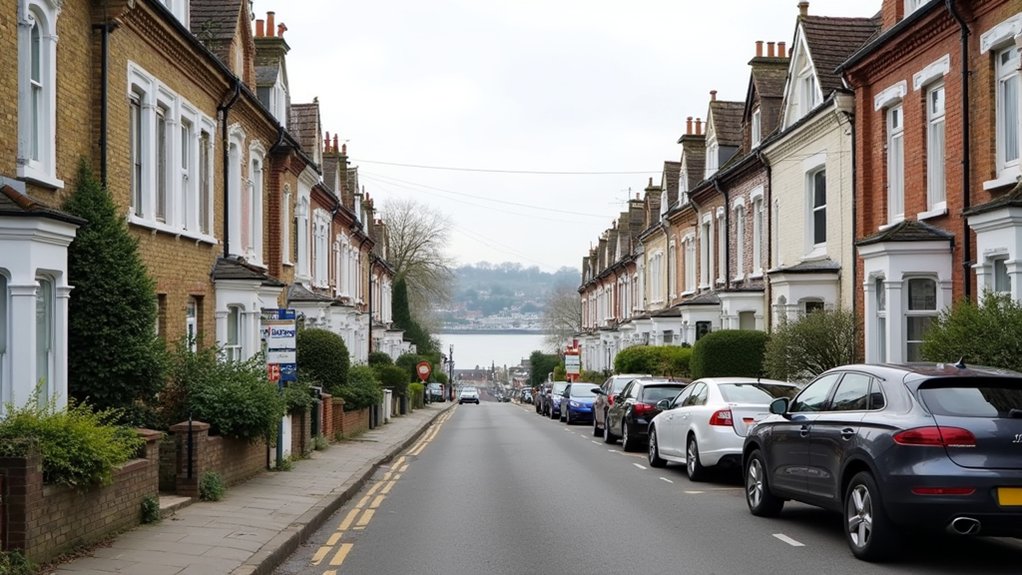
Is Staines a good place to buy or sell now? For buyers, it can be, provided you negotiate carefully and budget for mortgage affordability rather than relying on optimistic growth forecasts.
Staines benefits from strong commuter connectivity, employment access, and varied housing, but prices still reflect proximity to London and Heathrow. Compare recent sold prices, not just asking prices, and stress-test repayments against higher rates.
For sellers, demand remains selective. Well-presented homes with realistic pricing can attract competition, while overpriced listings may linger and require reductions.
Your property’s appeal depends on condition, parking, outdoor space, and transport links. Neighborhood amenities support lifestyle value, while Local school quality can strengthen family demand, although buyers increasingly assess energy efficiency and running costs.
Whether you’re buying or selling, localised valuation advice and evidence-led negotiation matter more than broad market headlines.
Frequently Asked Questions
What Are the Council Tax Bands in Staines?
Staines council tax bands run from A to H, based on your property’s 1 April 1991 valuation. You’ll pay the lowest bill in Band A and the highest in Band H.
Exact charges depend on Spelthorne Borough Council’s annual rates and any applicable parish or local levies. Check your bill or the Valuation Office Agency for your band.
When evaluating property value trends, compare average council tax rates alongside purchase prices and running costs.
Which Schools Serve the Staines Area?
You’ll find Staines served by primary schools including Riverbridge, Shortwood, Kingscroft Junior, and Knowle Park.
There are also secondary options such as Matthew Arnold, The Magna Carta, and Thamesmead.
Think of the area as a school-choice map: you should compare Ofsted outcomes, Local school rankings, admissions policies, and School catchment boundaries.
Check each council’s latest data, because boundaries, vacancies, and oversubscription rules can change.
Your address may strongly influence eligibility and property demand.
How Accessible Is Staines by Public Transport?
You’ll find Staines highly accessible by public transport, particularly if you commute toward London or Heathrow. Direct South Western Railway services reach London Waterloo in roughly 35–40 minutes.
Trains also connect you with Weybridge, Woking, and Reading. Local buses extend coverage across nearby communities, although peak congestion can affect reliability.
Public transport upgrades could strengthen future connectivity. These commuting options support rental demand, liquidity, and buyer interest, especially around the station and established employment corridors.
Are There Flood-Risk Areas in Staines?
Yes, you’ll find flood-risk areas in Staines, particularly near the River Thames, Colne, and Wraysbury rivers. River flooding affects some riverside roads and properties.
Surface-water risk can vary by postcode and drainage capacity. Before buying or renting, you should check the Environment Agency’s flood maps, property-specific reports, insurance availability, and historical incidents.
Flood defenses reduce—but don’t eliminate—risk, so pricing, mortgageability, and resale demand may reflect a property’s exact exposure.
What Planning Permissions Affect Staines Homeowners?
You can alter a kitchen without permission, yet extending into the garden may require approval.
In Staines, your property renovation plans must comply with zoning regulations, conservation-area controls, and permitted-development limits.
You’ll likely need planning permission for larger extensions, loft conversions, listed-building changes, or new windows affecting neighbours.
Check Spelthorne Borough Council’s policies before spending money.
Flood-risk locations may also trigger drainage, sequential-test, or Environment Agency requirements, adding cost, time, and valuation uncertainty.
Conclusion
Staines’ housing market remains resilient, but success depends on pricing and presentation. You’ll find strongest demand for well-maintained homes near stations, the Thames, schools, and amenities, particularly those offering gardens, parking, energy efficiency, and flexible space. Renovation properties can still work, though you’ll need realistic expectations. Whether you’re buying or selling, careful negotiation matters: “don’t count your chickens before they hatch.” Study comparable sales, assess supply, and move decisively when value aligns with your strategy.