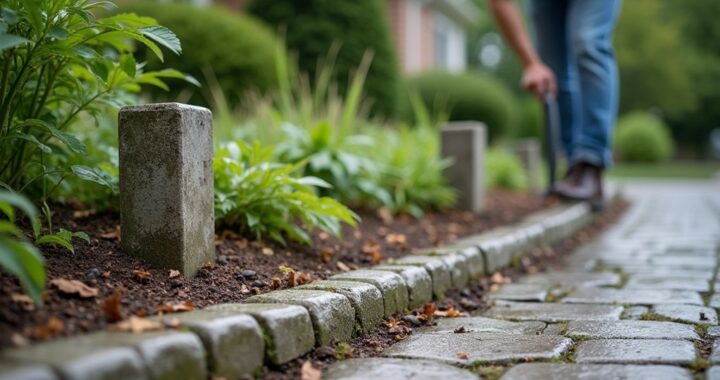
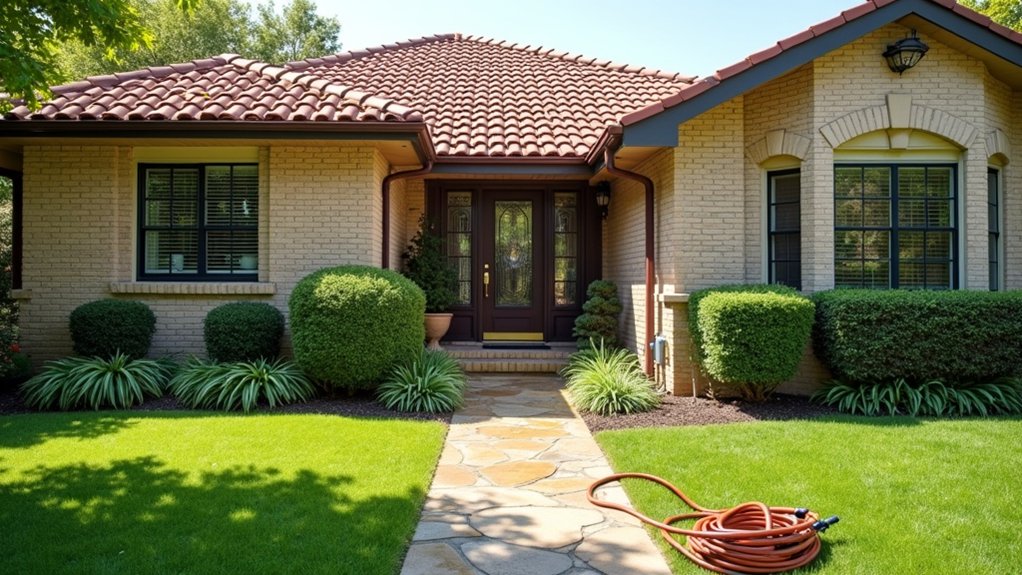
Moss and algae thrive where moisture, shade, and organic debris collect, so prevention starts with managing those conditions. After storms, clear leaves and soil, check drainage, and trim growth that blocks sunlight or airflow. Roofs, siding, decks, fences, driveways, and walkways each need slightly different care, especially in damp or rainy weather. With the right cleaning methods, protective treatments, and maintenance schedule, you can slow buildup before it takes hold—but the first signs often reveal a larger moisture problem.
Identify Where Moss and Algae Start
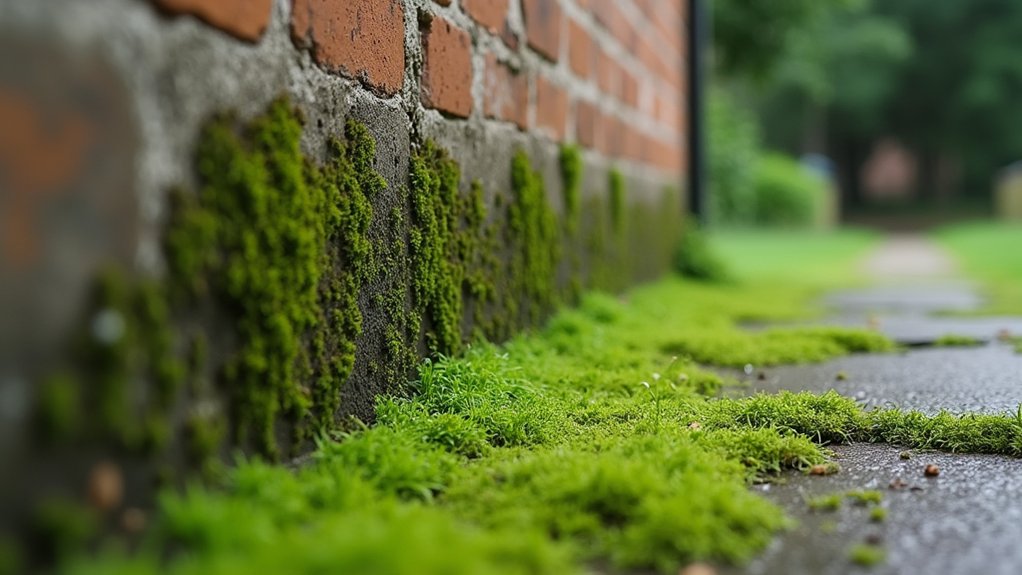
Moss and algae usually start on damp, shaded areas that stay wet after rain, such as north-facing roofs, patios, siding, and walkways. Check these locations after wet weather, especially where surfaces remain cool and moisture lingers.
Moss origins often trace to tiny spores carried by wind, birds, or runoff. Once they settle into textured shingles, joints, cracks, or porous masonry, they can anchor and spread.
Algae sources include airborne spores, nearby vegetation, and dirty rainwater that deposits organic material. Look for green, brown, or black staining, soft tufts, slippery films, and thin growth along edges.
Inspect gutters, roof valleys, wall bases, and shaded paving during routine maintenance. Mark recurring spots and photograph them, so you can track expansion and schedule careful cleaning before growth embeds deeper into exterior materials.
Improve Sunlight, Drainage, and Airflow
Because persistent dampness encourages regrowth, improve the conditions around affected surfaces. Trim branches and shrubs that cast deep shade, especially near walls, patios, and walkways. Open shady spots to morning or afternoon sunlight, while protecting plants that need cover. Clear leaves, soil, and debris from drains and edges so rainwater can escape instead of pooling. Correct low areas with suitable grading, and repair leaking outdoor taps or hoses. Increase airflow by spacing containers, moving stored items away from walls, and thinning dense plant growth. These simple changes reduce moisture retention and help surfaces dry after rain.
- Let sunlight reach damp areas, bringing relief after gloomy weather.
- Keep drainage paths clear before storms arrive.
- Give walls and paving room to breathe.
- Check problem areas after wet, windy days.
Inspect monthly and after heavy rain; act quickly when dampness returns.
Prevent Moss and Algae on Roofs
Roofs need extra care because shaded, damp conditions let moss and algae take hold between shingles and along flashing. Inspect your roof each spring and after extended rainy weather, watching for green growth, dark streaks, lifted shingles, or clogged valleys.
Remove leaves and branches promptly, but don’t pressure-wash or scrape aggressively; those methods can damage protective granules and seals. Use a roof-safe cleaner during a dry, mild forecast, following the label and protecting nearby plants.
Install zinc or copper strips near the ridge so rain carries growth-inhibiting minerals across the shingles.
When reroofing, choose algae-resistant shingles or algae resistant coatings approved for your roofing material. Avoid moss resistant paints unless the manufacturer confirms roof compatibility, traction, and weather durability.
Trim overhanging branches to encourage drying, and schedule professional repairs when growth has penetrated seams.
Protect Siding, Decks, and Fences
Keep siding, decks, and fences dry and clean, especially in shaded areas where moisture encourages moss and algae. After rain, clear leaves, pine needles, and soil from surfaces so water can evaporate. Trim nearby branches to improve sunlight and airflow, but avoid damaging boards or siding.
- Protect your home’s appearance before green stains take hold.
- Give wooden surfaces room to breathe through changing weather.
- Prevent slippery, fragile boards that can threaten your family.
- Preserve the outdoor spaces where you make lasting memories.
Inspect seasonally for damp seams, peeling finishes, and clogged gaps. Use a soft brush and a manufacturer-approved cleaner for gentle moss removal; avoid harsh pressure that drives water behind siding or scars wood.
For algae control, apply a suitable treatment during a dry, mild forecast, then rinse carefully. Recoat exposed wood when needed to seal out moisture and extend its life.
Keep Driveways and Walkways Dry
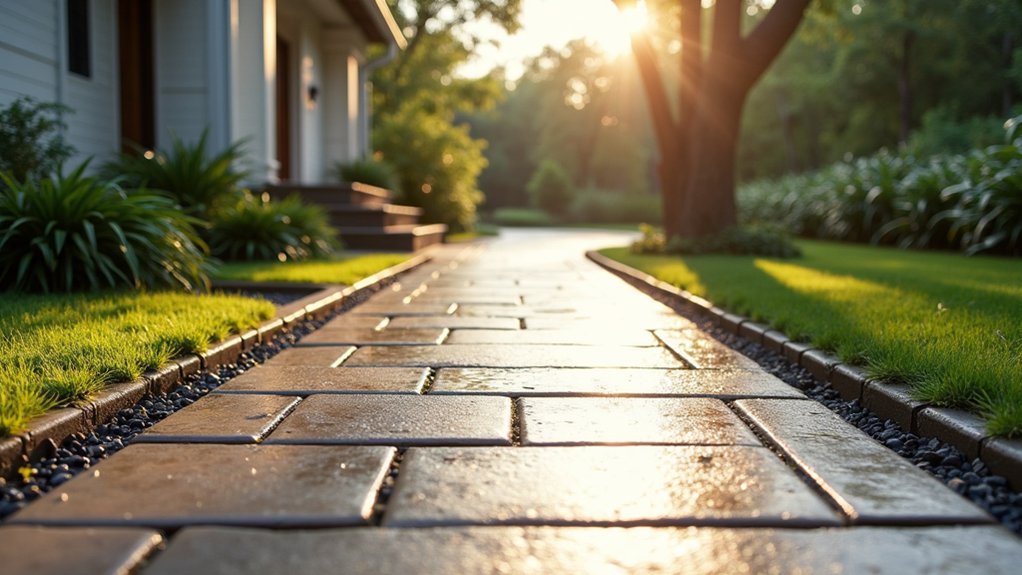
When water lingers on driveways and walkways, shaded patches can quickly develop moss and algae. Keep these areas dry by clearing leaves, pine needles, and other debris after storms. Sweep regularly so moisture doesn’t stay trapped against the surface, and inspect nearby gutters and downspouts for leaks or overflowing runoff.
Redirect downspouts away from paved areas, using extensions or splash blocks to guide water toward suitable drainage zones. Trim shrubs and low branches to improve sunlight and airflow, especially along north-facing paths.
These Landscaping tips also reduce damp hiding places that attract insects, supporting practical Pest control. Watch the forecast before watering lawns, and adjust sprinklers so they don’t spray pavement.
After heavy rain, check for puddles and correct low spots or drainage problems before persistent moisture encourages regrowth.
Clean Exterior Surfaces Without Damage
Once surfaces stay as dry as possible, remove existing moss and algae with methods that won’t damage the material. Choose a cool, cloudy day, because intense sun can dry cleaners unevenly and create stains.
Sweep loose growth first, then use a soft brush and low-pressure water. Test every cleaner on a hidden spot before treating the entire area.
Eco friendly cleaning options, such as diluted vinegar-free plant-based products, can help when used as directed. Avoid mixing products, and protect nearby plants with rinsing water.
Chemical treatments may work on stubborn growth, but follow the label, wear gloves, and never use them near storm drains.
- You’ll protect costly surfaces.
- You’ll reduce slippery hazards.
- You’ll spare nearby plants.
- You’ll feel confident after a careful, weather-aware cleanup.
Maintain a Regular Prevention Schedule
Set a routine inspection schedule, especially after wet, shaded weather that encourages growth.
Clean exterior surfaces regularly to remove early moss and algae before they spread.
Consistent maintenance keeps your property looking clean and helps prevent moisture-related damage.
Schedule Routine Inspections
Inspect exterior surfaces at least twice a year—ideally in spring and fall—and after extended wet or humid weather. Walk around your home with a flashlight, checking shaded walls, roof edges, decks, steps, and drainage areas. Look for green or dark spotting, dampness, blocked gutters, standing water, and overgrown vegetation that traps moisture. Record changes and schedule repairs before growth spreads or surfaces become slippery.
- Protect your family from unexpected slips and falls.
- Catch small moisture problems before they become costly damage.
- Trim plants using practical landscaping tips to improve airflow.
- Coordinate pest control when insects gather near damp, sheltered areas.
Reinspect after heavy rain, storms, or several cloudy days. Pay special attention to north-facing surfaces and areas beneath trees. Set calendar reminders, and photograph problem spots so you can compare conditions over time.
If you notice recurring dampness, investigate grading, leaks, and drainage promptly rather than waiting for visible buildup to worsen.
Clean Surfaces Regularly
Regular cleaning removes dirt, leaves, and organic residue that feed moss and algae before they take hold. Sweep patios, walkways, siding, and roof edges regularly, especially after windy weather or autumn leaf fall. Rinse surfaces with a garden hose, then scrub stubborn buildup with a suitable brush and cleaner.
Work on a cool, overcast day so water and solutions don’t evaporate too quickly, and avoid cleaning before freezing temperatures or heavy rain. Keep gutters clear, because overflowing water keeps exterior areas damp.
Check Surface coatings for damage during each cleaning; repair worn areas before moisture penetrates. Use Chemical treatments only as directed, protecting plants, pets, and nearby waterways.
Set reminders for monthly cleaning, increasing frequency in shaded, humid locations. Prompt maintenance limits regrowth and extends surface life.
Frequently Asked Questions
Can Moss and Algae Damage My Home’s Structural Integrity?
Yes, moss and algae can threaten your home’s structural integrity, though they usually cause gradual damage rather than sudden failure. Moss retains moisture against roofs, siding, and masonry, accelerating rot, corrosion, cracking, and freeze-thaw deterioration.
Algae mainly stains surfaces but can signal persistently damp conditions. Schedule weather-appropriate surface cleaning, clear gutters, improve drainage, trim overhanging branches, and apply preventative measures.
Inspect vulnerable areas after wet seasons, storms, and extended shade, addressing damage promptly.
Are Moss and Algae Harmful to Pets or Children?
Moss and algae usually aren’t poisonous, but they can turn your yard into a slippery green trap.
For Pet safety, keep dogs from licking treated surfaces, drinking runoff, or swallowing growth, especially after chemical cleaning.
Child health also depends on preventing contact with slippery patches and contaminated water.
After rain, inspect walkways, steps, and play areas.
Remove growth promptly, improve drainage, and use pet- and child-safe cleaners.
Rinse thoroughly before allowing access.
Which Professional Should I Contact for Severe Moss or Algae Growth?
Contact a professional pressure-washing or exterior-cleaning contractor for severe moss or algae growth. Choose someone experienced with roofs, siding, decks, or masonry, depending on the affected surface.
Ask whether they use eco-friendly treatments and low-pressure methods that won’t damage materials or spread spores.
Avoid DIY cleaning on steep roofs or large areas.
Schedule service during dry, mild weather, then request maintenance recommendations to limit regrowth after rain, shade, and seasonal humidity.
Can Moss and Algae Stains Be Covered With Exterior Paint?
You can’t simply paint over moss and algae stains and expect lasting results. First, tackle the problem at its root: schedule exterior cleaning to remove growth, dirt, and lingering moisture.
Let the surface dry completely, then repair damage and apply an exterior primer designed for masonry, wood, or siding.
Paint coverage will only last when the surface is clean and sound. Choose a dry, mild-weather window, and inspect annually for returning growth.
How Much Does Professional Moss and Algae Removal Typically Cost?
Professional moss and algae removal typically costs $250–$800 for a home, though roof cleaning may range from $300–$1,500.
Pricing estimates depend on surface size, growth severity, height, accessibility, location, and treatment method.
Service providers may charge per project, square foot, or hour.
Ask for an itemized quote, proof of insurance, and chemical details.
Schedule work during dry, mild weather, then plan periodic inspections and gentle cleaning to prevent regrowth.
Conclusion
With a little routine care, you can keep moss and algae from turning your exterior into a neglected garden. Clear leaves after storms, trim branches, improve drainage, and keep air moving around roofs, siding, decks, fences, and walkways. Clean gently before growth takes hold, then consider zinc or copper strips and algae-resistant coatings where appropriate. Like a stitch in time, small seasonal tasks prevent bigger repairs—and help your property stay cleaner through every wet-weather cycle.