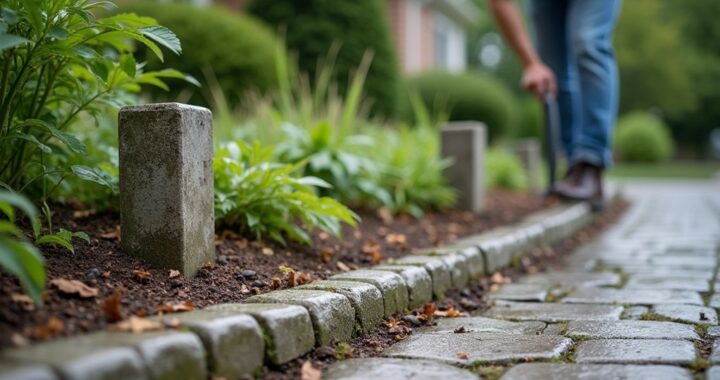
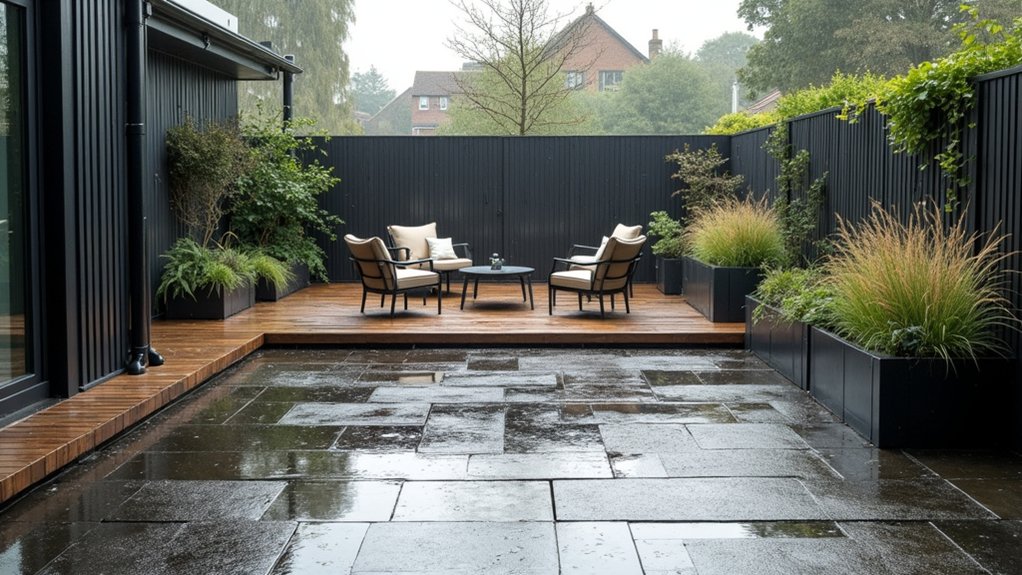
If you want an outdoor space that copes with Britain’s rain, frost, wind and occasional sunshine, you’ll need to choose materials carefully. Start with rot-resistant timber, powder-coated metal, galvanised steel and UV-stable plastics, then consider how paving, decking and furniture will handle constant moisture. Good drainage, weatherproof fixings and protective finishes matter just as much as appearance. Choose well, and your garden will stay usable for longer—but the wrong material can create costly problems before you expect them.
Choose Weather-Resistant Outdoor Materials
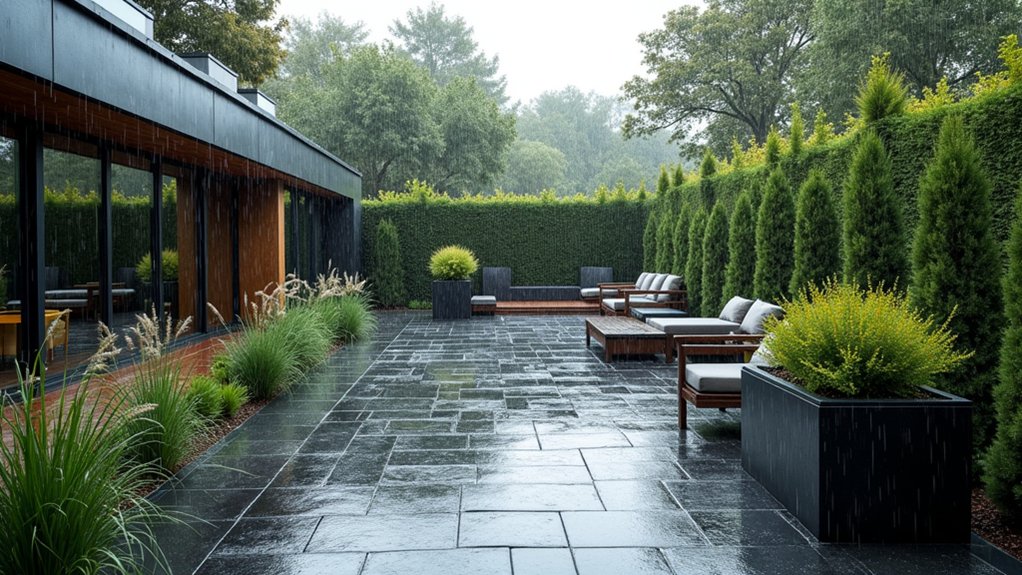
Choose outdoor materials that can withstand your region’s sun, rain, snow, wind, and temperature changes. In Britain, prioritise rot-resistant timber, powder-coated metal, galvanised steel, and UV-stable plastics for furniture, screens, planters, and storage. Check manufacturer ratings, maintenance requirements, and warranties before you buy.
Select fixings made from stainless steel or corrosion-resistant alloys, especially near the coast, where salt accelerates rust.
Protect seating with Waterproof outdoor fabrics that resist mildew, fading, and saturated padding; still, dry cushions thoroughly after heavy rain.
Match Seasonal plant choices to your garden’s exposure, soil, and winter temperatures, then use frost-resistant containers with adequate drainage.
Seal timber regularly, inspect coatings annually, and replace cracked components promptly.
These decisions help your outdoor space perform reliably through Britain’s unpredictable seasons and reduce replacement costs over time.
Compare Durable Paving and Patio Options
Which paving will cope best with your garden’s exposure, drainage, and daily use? Porcelain tiles offer low porosity, strong frost resistance, and consistent colour, making them practical for exposed patios. Choose textured, slip-resistant finishes, particularly where rain lingers.
Natural stone, including granite, sandstone, and slate, brings character, but check its frost rating and seal porous varieties regularly.
Concrete paving provides reliable strength and flexible styles; quality installation and adequate jointing help prevent cracking during freeze-thaw cycles.
Permeable block paving allows rainfall to drain through the surface, reducing puddles and pressure on garden drainage.
Lay every option on a properly compacted, well-drained base, with a suitable fall away from your home.
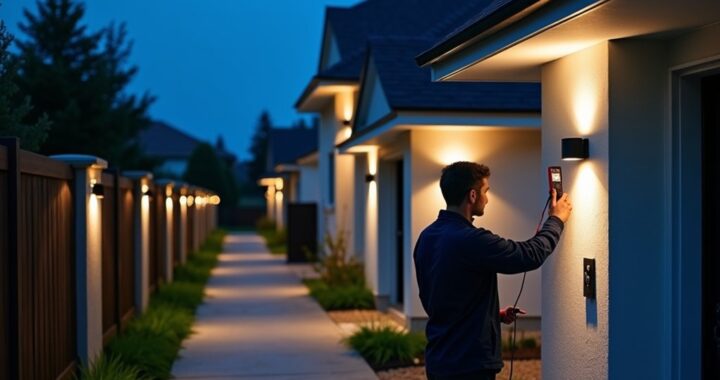
Plan Garden lighting before installation, and use Decorative accents sparingly so they complement the paving without obstructing drainage or creating trip hazards.
Pick Low-Maintenance Decking and Furniture
Once the paving is planned, select decking and furniture that can withstand rain, frost, sunlight, and regular use without demanding constant upkeep. Use this checklist:
- Choose composite decking: it resists fading, splintering, and rot better than untreated timber, while needing only occasional cleaning.
- Select powder-coated aluminium furniture for a lightweight, rust-resistant option that’s easy to move and store.
- Consider responsibly treated hardwood if you prefer natural grain, but follow the manufacturer’s maintenance schedule.
- Pick solution-dyed fabrics and quick-drying cushions, then check seams and drainage after wet weather.
Keep furniture legs on level feet to prevent rocking and surface damage.
Coordinate colours with Seasonal plantings, and position pieces so they don’t obstruct Outdoor lighting.
Buy replacement boards, covers, and fixings from established suppliers; matching components make future repairs simpler.
Leave enough clearance around seating for sweeping and access, helping your outdoor space stay practical through every season.
Protect Outdoor Spaces From Frost and Rain
Protect outdoor spaces from frost and rain by managing drainage, sealing vulnerable surfaces, and storing items before severe weather arrives. Clear gutters, channels, and grates regularly, then slope paving away from walls so water can escape instead of pooling and freezing.
Apply a suitable sealant to timber, masonry, and porous tiles before autumn, and inspect joints for cracks after storms.
Choose seasonal plant choices that tolerate wet, cold conditions, and raise containers on feet to prevent saturated roots and frost damage.
Use waterproof storage solutions for cushions, tools, and garden equipment; ventilated boxes help prevent condensation and mildew.
Cover furniture with breathable, fitted covers rather than plastic sheets that trap moisture.
During severe frosts, drain outdoor taps and protect exposed pipes with insulated sleeves.
Check everything again in spring.
Frequently Asked Questions
Can Durable Outdoor Materials Withstand Coastal Salt Air and Strong Seaside Winds?
Yes, durable outdoor materials can withstand coastal salt air and strong seaside winds when you choose and maintain them carefully.
Prioritise Salt resistance with marine-grade stainless steel, powder-coated aluminium, treated hardwood, composite decking, and UV-stable plastics. Check fixings and finishes regularly for corrosion or damage.
For Wind resilience, anchor structures securely, use robust joints, and avoid loose furnishings. Rinse surfaces with fresh water periodically, and replace compromised components before storms cause wider problems.
Are Recycled Outdoor Materials Genuinely Environmentally Friendly and Durable?
Yes—recycled outdoor materials can be genuinely environmentally friendly and durable.
In Britain, outdoor furniture may face over 150 rainy days annually, so check performance, not marketing alone.
Choose recycled plastic, aluminium, or composite decking with documented recycled content and UV, frost, and corrosion resistance.
These recycling benefits reduce landfill and raw-material demand, while eco friendly options can last for decades.
You’ll maximise sustainability by selecting repairable products and maintaining them properly through wet, windy seasons.
What Planning Permissions Might Outdoor Improvements Require in Britain?
You might need planning permission for patios, raised decking, substantial paving, outbuildings, walls, or changes affecting drainage. Check your council’s rules before starting, especially in conservation areas, listed properties, or national parks.
Permitted development limits often cover height, footprint, and proximity to boundaries.
Garden furniture usually needs no permission, while outdoor lighting may require approval if it creates nuisance or affects neighbours.
Building regulations can still apply to structures, electrics, and drainage.
How Can Outdoor Materials Remain Safe and Comfortable for Children and Pets?
Think of your garden as a small kingdom: choose materials that protect every young explorer and four-legged resident.
For playground safety, install impact-absorbing rubber, soft bark, or certified synthetic grass, and keep surfaces level, secure, and splinter-free.
For pet friendly surfaces, select non-toxic, non-abrasive paving with good drainage.
You’ll reduce slips, burns, puddles, and hidden hazards by checking temperatures, cleaning regularly, and repairing weather damage promptly.
When Should Damaged Outdoor Surfaces Be Repaired or Professionally Replaced?
Repair damaged outdoor surfaces as soon as you notice cracks, loose paving, splinters, pooling water, or slippery growth. You can handle minor issues promptly, but arrange professional replacement when damage affects stability, drainage, safety, or a large area.
Don’t wait through another wet, freezing season. Include surfaces in your seasonal maintenance checks, and inspect nearby garden lighting for exposed cables or unstable fittings.
Act early to prevent costly failures and injuries.
Conclusion
With Britain recording rain on roughly 150 days each year, your outdoor space needs materials built for persistence. Choose rot-resistant timber, galvanised or powder-coated metal, UV-stable plastics, and properly sealed paving to limit weather damage. Add stainless-steel fixings near the coast, waterproof cushions, and protective covers where practical. You’ll also extend every surface’s life by clearing debris, checking seals, and ensuring paving slopes away from buildings. Prepare now, and your garden will stay safer, smarter, and usable year-round.