A gate that looks sound can still conceal soft posts, split rails, or rot beneath old paint, especially after several wet winters. To restore wooden gates and boundary structures for long-term durability, you’ll need to inspect every joint, prepare the timber properly, and replace damage rather than cover it. Moisture control, pest protection, and weather-suitable finishes matter just as much as the repairs, but one overlooked area can undermine the entire restoration.
Inspect Your Wooden Gates and Boundaries

Before you begin restoring wooden gates, inspect every gate, post, hinge, latch, and adjoining boundary for rot, cracks, loose joints, insect damage, and rust. Press a screwdriver gently into questionable timber; soft areas indicate hidden decay.
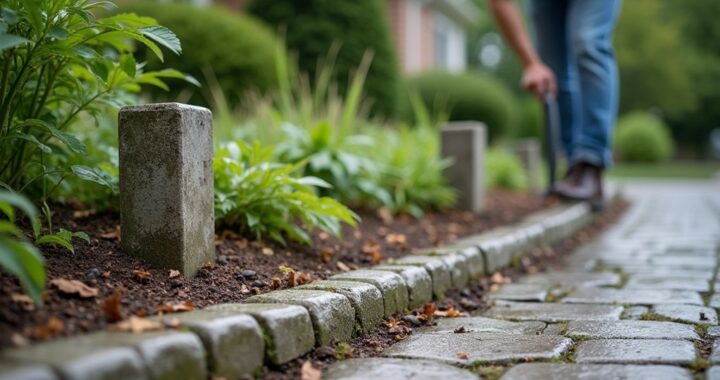
Check whether posts lean, foundations move, or hinges strain under the gate’s weight. Look along rails and pickets for water traps, split ends, and failed fasteners. Examine drainage, ground clearance, and nearby plants that keep surfaces damp, especially after prolonged rain.
Photograph each defect and mark its location before you disturb anything. Note the gate’s alignment, swing, and security, then compare matching details across the boundary.
Your careful survey protects garden aesthetics while supporting historical preservation. Don’t overlook weather exposure: record sun, prevailing wind, splash zones, and moss growth to guide later decisions.
Prepare Timber for a Lasting Restoration
Once you’ve identified the defects, prepare the timber in dry, mild weather so repairs and treatments can bond properly. Remove gates or accessible sections, then brush away dirt, cobwebs, flaking paint, and loose fibres. Wash grime with a suitable wood cleaner, rinse lightly, and allow the surface to dry thoroughly; trapped moisture can undermine every following coat.
Sand rough areas and old finish edges until they’re clean, sound, and smooth, wearing a mask and eye protection. Don’t sand saturated wood, and cover nearby plants, walls, and paving before cleaning or coating.
Check the forecast for several rain-free days, including overnight temperatures above the product’s minimum. Choosing the right wood finish depends on exposure and timber condition.
Applying protective sealants becomes effective only when the surface is dry, dust-free, and evenly prepared.
Repair Rot, Cracks, and Structural Damage
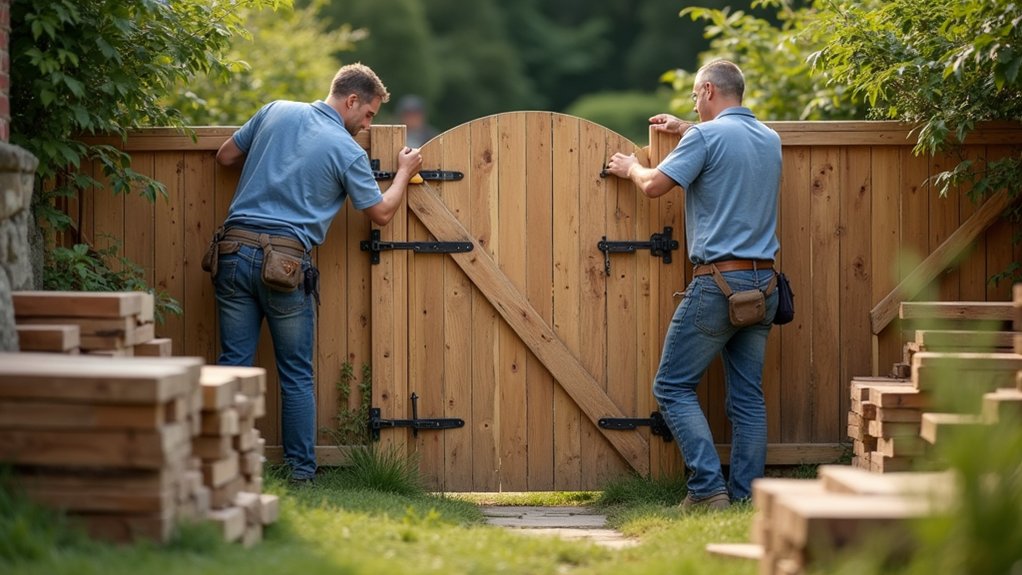
Start repairs only after the timber is clean and completely dry. Probe suspicious areas with a screwdriver, then cut out every soft, crumbling section until you reach firm wood. Shape replacement timber to fit tightly, and secure it with exterior-grade adhesive and corrosion-resistant screws.
For narrow cracks, open loose edges slightly, pack them with suitable epoxy filler, and sand the repair level after curing. Replace badly split rails, posts, or braces rather than relying on filler; the gate must carry its own weight without flexing.
Check hinges, bolts, latches, and brackets for distortion or rust, and complete hardware replacement where strength has declined. Apply compatible Wood treatment to repaired timber only as directed, allowing adequate curing time.
Work during a dry, mild spell, and postpone repairs if rain or frost threatens.
Protect Wooden Gates From Moisture and Pests
With repairs cured and hardware secured, protect the gate from the conditions that caused the damage. Sand peeling areas, remove dust, and apply a penetrating Wood treatment suited to your timber and local climate. Coat every exposed face, including end grain, joints, cutouts, and the underside, because water enters vulnerable edges first.
Choose a water-repellent preservative with fungicide, then add a compatible exterior paint or stain if the product allows it. Don’t seal damp wood; let it dry thoroughly, and follow the manufacturer’s coverage and recoat instructions.
For Pest prevention, inspect for beetle holes, frass, and soft timber before treatment. Brush or inject an approved insecticide into affected areas, and replace severely infested sections.
Keep soil, mulch, and dense vegetation away from the gate’s base to limit moisture and insect access.
Maintain Restored Gates for Long-Term Durability
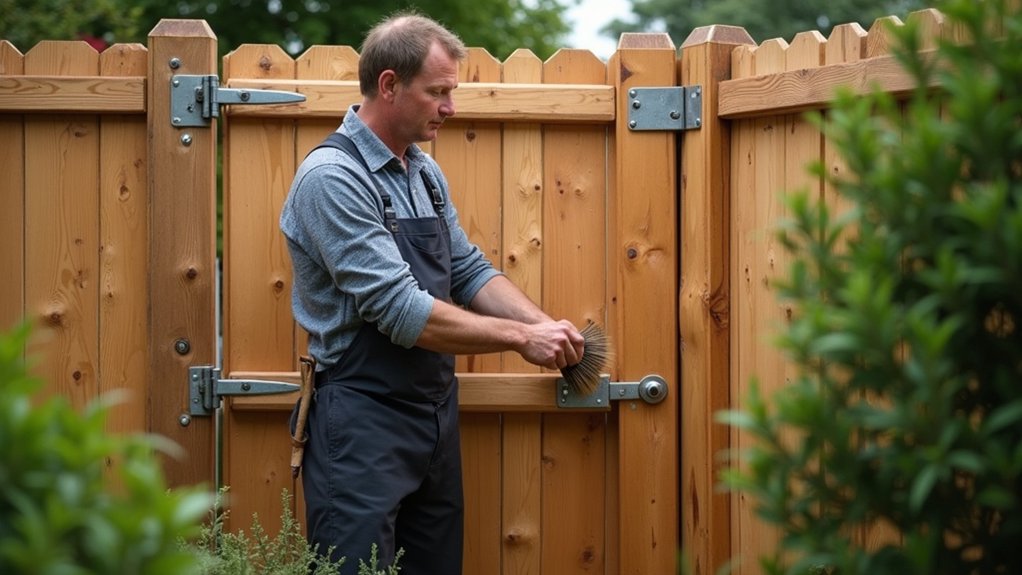
Regular maintenance will keep your restored wooden gate sound and attractive through changing weather. Inspect it each season, especially after storms, and address small defects before water causes deeper damage.
- Check drainage: Clear soil, leaves, and snow from the bottom rail, then confirm posts remain dry and stable.
- Refresh protection: Wash the timber gently, let it dry fully, and reapply compatible stain or paint when the finish fades, cracks, or peels.
- Service movement: Tighten bolts, lubricate hinges, and adjust the latch. Consider Hardware upgrades if corrosion, sagging, or heavy use affects operation.
- Improve appearance: Sand rough spots and replace split boards promptly. Add Aesthetic enhancements only with weather-resistant materials and coatings.
Keep vegetation trimmed away from the gate so air can circulate. Before winter, confirm every joint sheds water and the gate closes securely.
Document repairs to plan future maintenance.
Frequently Asked Questions
Can Restored Wooden Gates Be Automated With Electric Openers?
Yes, you can automate restored wooden gates with electric openers, provided the structure is sound, aligned, and strong enough for repeated movement.
Inspect hinges, posts, frames, and underground supports before installation, then choose equipment rated for the gate’s weight and wind exposure.
Automated opening works best with reinforced mounting points, safety sensors, manual release, and weather-sealed wiring.
Electric automation should include drainage protection and regular lubrication, especially after storms, freezing temperatures, or prolonged dampness.
What Planning Permissions May Be Required for Repairing or Replacing Boundary Structures?
You may need planning permission before repairing or replacing boundary structures, particularly if you’ll change their height, position, appearance, or materials. Check local boundary regulations and planning exemptions with your council before ordering supplies.
Listed buildings, conservation areas, highways, and shared boundaries can impose additional controls.
Ask neighbours about ownership and access, then document agreement.
Plan work during dry weather, but protect exposed timber immediately if rain arrives.
How Much Does Professional Wooden Gate Restoration Typically Cost?
Professional wooden gate restoration typically costs £150–£800, depending on size, timber condition, access, and required repairs.
You’ll usually pay more for structural replacement, custom joinery, or extensive rot treatment.
Cost estimates should include inspection, sanding, preservative treatment, repainting, hardware, and labour.
Ask several service providers for itemised quotations and confirm weatherproof products, drying times, and follow-up sealing.
Seasonal demand, difficult access, and urgent winter work can also increase prices.
Which Timber Species Are Best Suited for Replacement Gate Components?
Choose durable, naturally rot-resistant species for replacement gate components. Oak and sweet chestnut offer strength and weather resistance.
Western red cedar suits lighter gates and resists moisture. Accoya or thermally modified timber provides exceptional stability where movement matters.
During timber selection, match the original grain, dimensions, and moisture content. Use treated, exterior-rated replacement materials, seal end grain, and avoid combining timbers that react differently to wetting, drying, or fasteners.
Can Historic or Listed Wooden Gates Be Restored Without Altering Their Character?
Yes, you can restore historic or listed wooden gates without changing their character. Start by documenting existing details, materials, joinery, finishes, and hardware.
Use preservation techniques that retain sound timber, repair rather than replace, and match traditional profiles when renewal proves necessary.
Maintain historical accuracy by consulting conservation officers before work begins.
Choose compatible, breathable coatings, improve drainage, and protect vulnerable end grain.
Don’t introduce modern fittings unless they remain visually unobtrusive.
Conclusion
With careful inspection, sound repairs, and weather-appropriate protection, you’ll give wooden gates and boundary structures a much longer service life. Don’t overlook drainage, ventilation, tight hardware, or early signs of rot and insects. A useful fact: well-maintained exterior wood can last decades longer than neglected timber, especially when moisture is controlled. Clean and reseal surfaces regularly, trim nearby vegetation, and replace irreparable boards promptly. These practical habits will keep your boundaries secure, attractive, and resilient through changing seasons.