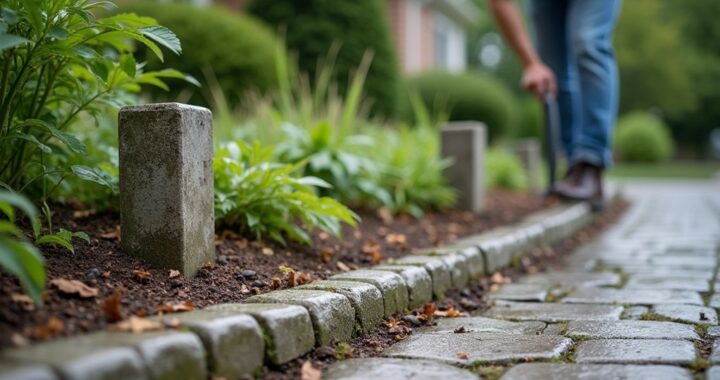
Repairing a traditional stone boundary wall starts with more than replacing loose stones. You’ll need to assess structural damage, identify safety risks, and understand how the original wall was built. Use matching local stone and compatible lime mortar, dismantle unstable sections carefully, and rebuild on sound, well-drained foundations. Proper jointing, through-stones, drainage, and vegetation control will protect the work—but overlooking one hidden weakness can undermine the entire wall.
Assess Stone Wall Damage and Safety Risks

Before repairing a stone boundary wall, inspect it carefully to identify damage and safety risks. Walk both sides, noting bulges, leaning sections, displaced stones, open joints, cracks, erosion, and signs of settlement.
Check whether roots, water, vehicle impact, or failed drainage may be causing movement. Don’t climb unstable masonry or disturb loose stones; cordon off hazardous areas and use protective equipment.
If the wall threatens people, property, or public access, contact a qualified stonemason or structural engineer before work begins.
Photograph each elevation and mark defects on a simple plan, preserving evidence of the original construction.
During historical restoration, your assessment should distinguish age-related weathering from active failure.
Modern techniques, including level checks and discreet monitoring, can confirm movement without damaging historic fabric.
Record findings before planning repairs.
Choose Matching Stone and Traditional Materials
Choose replacement stone that matches the wall’s original geology, colour, texture, size, and weathering rather than selecting material for appearance alone. Identify the local quarry or geological source where possible, and compare samples in natural light.
You’ll achieve historical accuracy by matching the stone’s hardness, porosity, and typical bedding, not merely its colour. Reuse sound existing stones and reserve new material for genuine gaps.
Select traditional materials suited to the wall: lime mortar, local earth, or carefully graded stone, as appropriate. Avoid cement-rich mortar, uniform machine-cut blocks, and imported stone that may trap moisture or weather differently.
Check regional conservation guidance before ordering supplies. Aim for aesthetic harmony without creating an obviously new section; subtle variation should reflect age, craft, and local character.
Keep samples and supplier details for future repairs.
Dismantle Unstable Sections Without Losing Stones
When a section is unstable, dismantle it methodically from the top down rather than pulling stones from the face. Wear gloves, eye protection, and sturdy footwear, then cordon off the work area.
Remove coping stones first, lifting each piece carefully and placing it on padded ground. Photograph the wall before and during dismantling, and mark stones discreetly so you can retain their original positions and orientation.
Work in small courses, easing out loose hearting and face stones with hand tools instead of levering against sound masonry. Keep different stone types, sizes, and bedding materials separated; this supports stone preservation and historical accuracy.
Stop if the wall shifts unexpectedly, and seek professional advice where roots, deep cracking, or structural movement threaten adjoining sections. Don’t discard weathered stones simply because they look irregular.
Rebuild the Stone Boundary Wall for Stability
With the unstable section safely dismantled and its stones sorted, rebuild the wall on a firm, well-drained foundation that matches the original line and width.
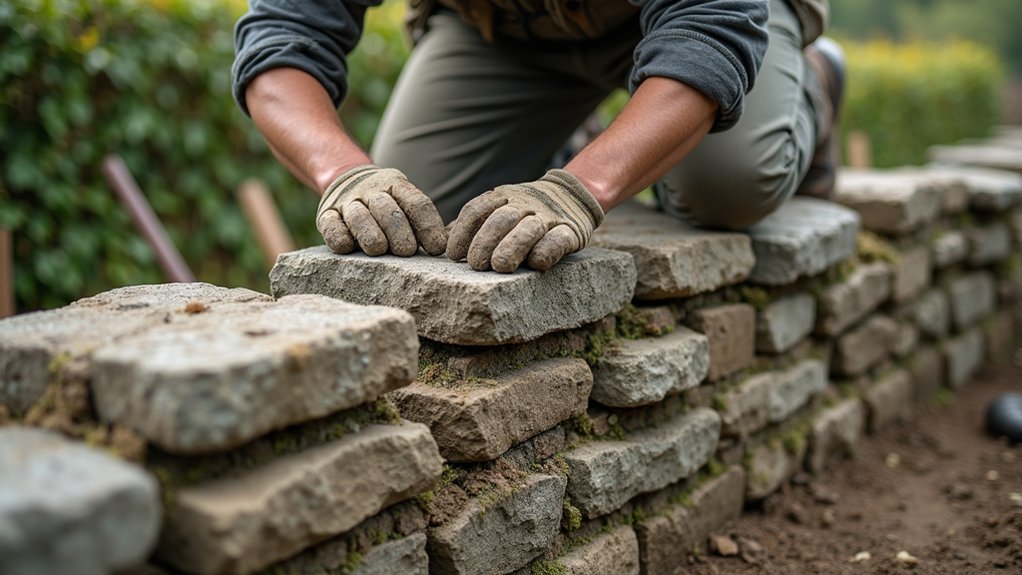
Start with the largest stones, setting them tightly to create a stable base and a slight inward batter. Place each stone so its broadest face shows outward and its length runs into the wall, not along it.
Build both faces together, filling the core with smaller, compatible stones rather than loose rubble. Stagger vertical joints between courses, and use through-stones at regular intervals to tie the faces together.
Keep the original character by reusing sound stones in their established positions where possible. For lasting wall restoration and stone preservation, avoid excessive cement; use traditional lime mortar only where the original construction requires it.
Guarantee every course bears securely before proceeding.
Prevent Water, Vegetation, and Ground Damage

Protect the rebuilt wall from water, vegetation, and ground movement before backfilling or finishing the surrounding ground. Respect the wall’s traditional construction: let it shed water naturally, rather than sealing it with incompatible cement.
- Provide Drainage improvement behind the wall with clean, free-draining stone, a gentle ground fall, and discreet outlets where necessary. Keep outlets clear.
- Shape soil away from the face, and don’t raise ground levels against historic masonry.
- Apply Vegetation control by removing woody roots, cutting nearby growth regularly, and choosing shallow-rooted plants at a safe distance.
- Watch for erosion, settlement, leaning, and blocked drains after heavy rain; correct small defects before they spread.
Don’t use impermeable membranes or aggressive herbicides without specialist advice. They can trap moisture, damage joints, or harm the surrounding heritage landscape.
Maintain drainage and vegetation seasonally to protect stability.
Frequently Asked Questions
Do I Need Planning Permission to Repair or Rebuild a Traditional Stone Boundary Wall?
You may need planning permission, depending on your location, the wall’s height, listed status, conservation-area designation, and whether you’re rebuilding rather than carrying out minor repairs. Check with your local planning authority before work starts; Building permits may also apply under local rules.
Ask about listed-building consent and protected landscapes, and consider Environmental impact, drainage, and wildlife.
Match traditional materials and construction, and keep written approval before dismantling substantial sections of historic wallwork.
How Much Does Professional Stone Wall Restoration Typically Cost?
Professional stone wall restoration typically costs £100–£250 per square metre, depending on access, wall height, stone type, condition, and whether craftsmen must dismantle and rebuild sections.
Your cost estimation should include surveying, reclaimed or matching stone, lime mortar, foundations, and waste removal.
For accurate budgeting tips, obtain at least three itemised quotations from experienced heritage contractors.
You’ll usually pay more for listed structures, remote sites, intricate detailing, or extensive structural repairs.
Can I Repair a Stone Wall During Winter or Rainy Weather?
You can repair a stone wall during winter or rainy weather, but you’ll need to choose your moments carefully. Weather considerations matter because frost, saturated ground, and persistent rain can weaken mortar and destabilize foundations.
Seasonal challenges also include shorter drying times and slippery working conditions. Wait for a dry, frost-free window, protect exposed work with breathable covers, and avoid cement-rich repairs.
Preserve traditional lime mortar, and postpone major rebuilding until milder weather.
Should I Hire a Specialist Experienced With Local Historic Building Techniques?
Yes, you should hire a specialist experienced with local historic building techniques, especially if your wall has heritage value, unusual stonework, or structural movement.
Their historical accuracy maintains original character, while expert craftsmanship ensures sound foundations, appropriate mortar, and compatible repairs.
Ask for references, insurance, and examples of similar work.
Confirm they understand local regulations and traditional methods.
A qualified specialist can prevent damage, costly rework, and inappropriate modern materials.
How Long Does a Properly Rebuilt Traditional Stone Boundary Wall Usually Last?
A properly rebuilt traditional stone boundary wall can last 100 years or more, and sometimes several centuries, when you use sound construction and maintain it regularly.
Historical accuracy matters: match the original bonding, coursing, coping, and drainage details.
Careful Material selection also matters; choose compatible local stone and breathable lime mortar rather than hard cement.
Inspect annually, clear vegetation, repair loose coping promptly, and address water penetration before frost causes damage.
Conclusion
Repairing a traditional stone boundary wall isn’t just cosmetic—it protects local character and future stability. Assess hazards first, reuse sound stones, and rebuild with matching material, lime mortar, sound foundations, staggered joints, and through-stones. For example, if winter rain has loosened a garden wall, you can dismantle only the failing section, improve its drainage, and relay it without cement-heavy patches. Keep roots controlled and inspect annually; you’ll prevent small defects becoming costly, irreversible damage.