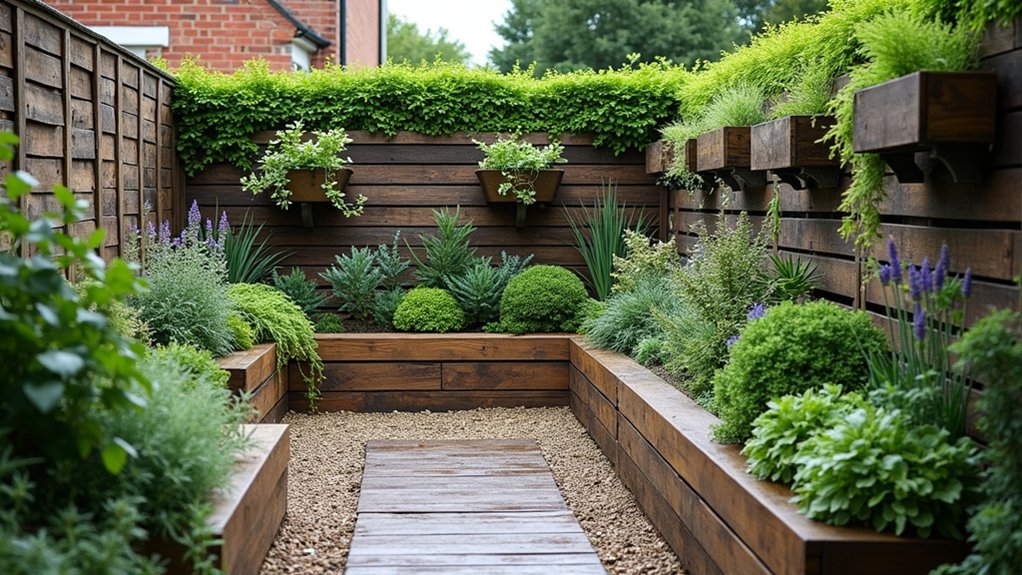
Like a well-planned Chelsea garden show display, your small UK garden can feel far larger than its footprint. Start by defining zones for seating, planting, and storage, then use pale paving, vertical greenery, and layered screens to guide the eye. Choose hardy plants that cope with rain, wind, and limited sunlight, while built-in furniture and subtle lighting save space. The right layout can transform every corner, but one overlooked detail often makes the biggest difference.
Plan a Small Garden Layout That Works
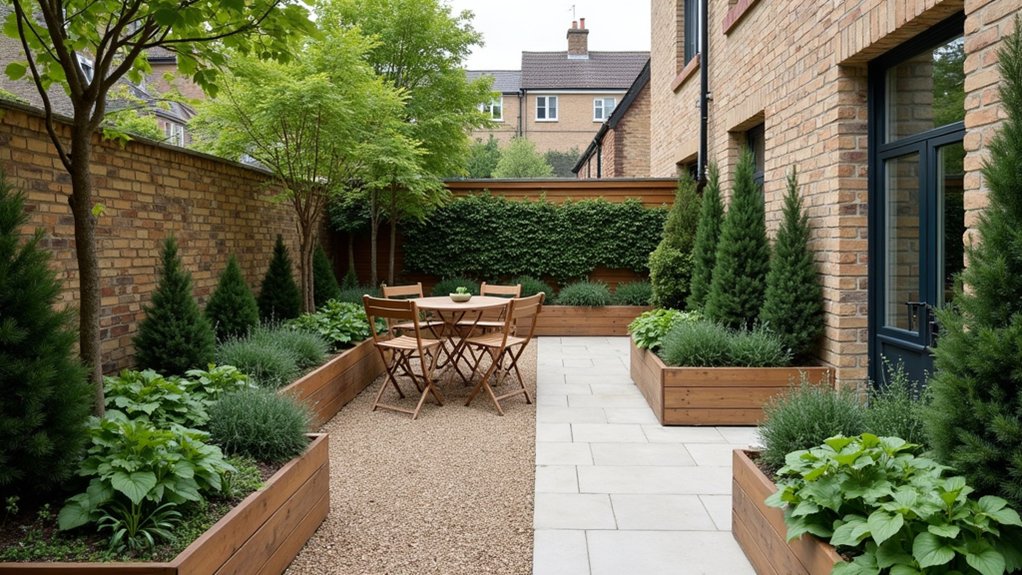
Start by measuring your garden and noting how sunlight, wind and rain move through it during the day. Mark doors, windows, drains, taps, sheds and established plants before planning.
Divide the space into practical zones for seating, growing, storage and circulation. Keep paths firm, level and wide enough for bins, wheelbarrows and wet-weather access. Position dining areas where afternoon sun reaches them, while placing shade-tolerant planting near walls or fences.
Use raised beds or narrow borders to improve drainage and protect soil from compaction. Choose hardy plants suited to your soil, exposure and local rainfall, then group them by watering needs.
Add garden ornamentation only where it serves a purpose, such as a mirror-free trellis or birdbath. If you install water features, select compact, covered designs and place them near a power source, away from slippery routes.
Make Small UK Gardens Feel Larger
Make your small UK garden feel larger by planting upwards on trellises, fences, and walls, keeping precious floor space free.
Define clear zones for seating, planting, and pathways so the layout feels organised rather than crowded.
Choose sturdy plants that can handle wind and wet weather, especially in exposed gardens.
Use Vertical Planting
When floor space is limited, train plants upwards to draw the eye higher and leave more room for seating or paths. Choose sturdy supports that withstand Britain’s wind and rain, then match plants to sunlight and shelter.
- Fix trellis panels to walls, leaving an air gap to prevent damp.
- Grow climbing roses, honeysuckle, or clematis for height, scent, and seasonal colour.
- Use wall-mounted pots for herbs, salad leaves, and compact strawberries.
- Add hanging baskets or slim planters, securing them firmly before winter storms.
Prune regularly so growth doesn’t overwhelm narrow spaces or block windows. Evergreen climbers can provide year-round structure, while deciduous varieties let winter light reach your garden.
Integrate attractive supports as garden art, but avoid crowding delicate plants near water features, where persistent moisture may encourage mould. Check fixings each spring and replace cracked containers promptly.
Define Clear Zones
Once your planting grows upwards, divide the ground into clear zones so the garden feels ordered and more spacious. Use compact paving for a seating area, gravel for a dining nook, and sturdy lawn or stepping stones to connect them. This simple garden zoning gives each space a purpose without adding bulky structures.
Choose permeable surfaces to reduce puddles during wet UK weather, and leave narrow drainage gaps beside walls. Create zone differentiation with changes in texture, direction, or planting height rather than solid screens that block light.
A low raised bed can separate a growing area while doubling as a seat. Keep paths at least 60 centimetres wide, and align them with your home’s doors. You’ll maintain easy movement, protect plants from trampling, and make the garden feel longer.
Grow Upwards With Vertical Planting
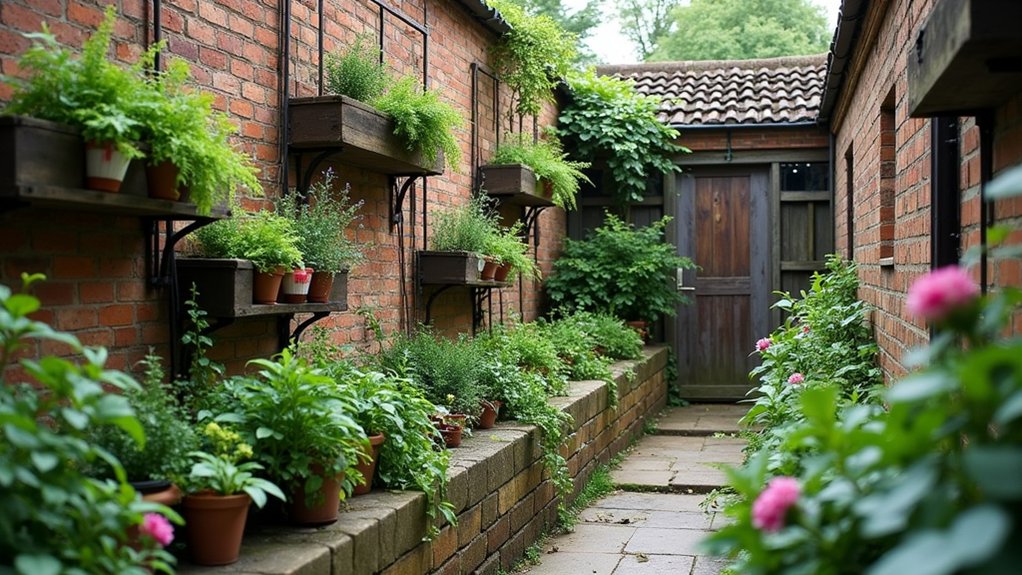
Vertical planting lets you add greenery without sacrificing valuable floor space, which is especially useful in compact UK gardens. Train climbing plants up trellis panels, fences, or sturdy arches to create height while keeping paths clear. Choose weather-resistant supports and anchor them securely, as wind and heavy rain can loosen fittings.
- Fix wall mounted planters to sound brickwork, leaving enough space for drainage and airflow.
- Use a tiered frame beside a shed or seating area to build a compact display.
- Attach wire or mesh to a fence, keeping it slightly away from the surface to prevent damp.
- Check fixings each season, especially after winter storms, and guide new growth before it tangles.
Keep vertical structures narrow, accessible, and safely away from doors, gutters, and overhead cables. You’ll gain privacy and structure without crowding your defined garden zones.
Choose Space-Saving Plants for UK Gardens
Choose compact, resilient plants that suit the UK’s changing weather and won’t overwhelm your limited space. Look for dwarf shrubs, herbs, and clump-forming flowers that provide colour without spreading aggressively.
Thyme, chives, and compact sage thrive in containers or narrow borders, while lavender offers scent, structure, and pollinator appeal.
For sunny, sheltered spots, succulent choices such as sempervivum and sedum cope well with dry spells and poor soil, provided you guarantee excellent drainage.
In shadier corners, choose fern varieties, heucheras, or compact hostas that tolerate damp British conditions.
Evergreen options keep your garden attractive through winter, while perennial options return each year, reducing replanting work.
Check each plant’s mature width, hardiness, and moisture needs before buying, then group plants with similar requirements to make watering and maintenance easier.
Add Multi-Use Furniture and Built-In Storage
Make every seating area work harder by using a storage bench, foldable chairs, or a compact table that can double as a potting surface. Choose multi-use furniture with slim profiles, so you preserve precious paths and planting space. Protect timber with exterior stain, raise pieces above wet paving, and store cushions indoors during Britain’s rain.
- Build a bench over a gravel-lined box for built-in storage.
- Select folding chairs you can hang on sturdy wall hooks.
- Fit a narrow table with shelves for tools, compost, and pots.
- Add a lidded ottoman for blankets, toys, or garden equipment.
Keep doors and lids easy to open, even in damp weather. Match furniture colours to your fencing, and use robust stainless-steel fixings. You’ll gain flexible seating, concealed clutter control, and a tidier garden without sacrificing growing room.
Use Clever Lighting for Small Gardens
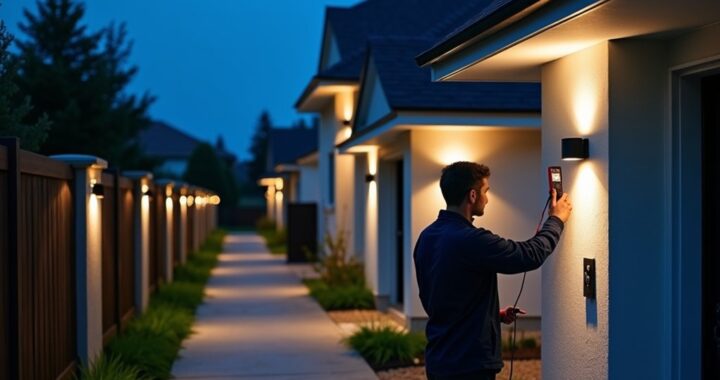
Clever lighting can make a small UK garden feel larger, safer, and more welcoming after dark. Start with warm, low-level illumination along paths, steps, and seating areas, so you can move confidently without overwhelming the space. Choose compact, weather-resistant fittings with suitable IP ratings for Britain’s rain, and check cables, batteries, and connections regularly.
Use solar powered lanterns on shelves, walls, or tables where you don’t need wiring. Position their panels in the sunniest available spot, although winter brightness may be limited. Wrap LED fairy lights around a small tree, pergola, or balcony rail to add a gentle glow without using floor space.
Aim lights towards pale walls or fences to reflect light softly, and use timers or motion sensors to save energy. Avoid glare by directing beams downwards and keeping neighbours’ windows unlit.
Create Privacy Without Losing Space
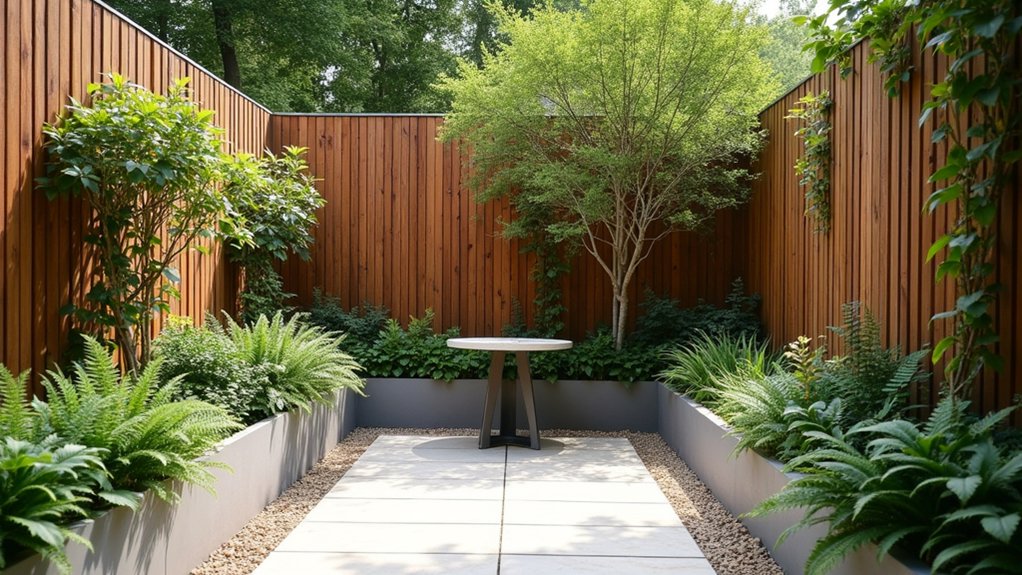
Create privacy with layered plant screens that soften views while leaving valuable floor space open. Choose hardy, wind-tolerant evergreens for year-round cover, and keep them neatly pruned for narrow UK gardens.
Where planting room’s limited, install slimline privacy panels that withstand wet weather without overwhelming your outdoor space.
Layered Plant Screens
Layered plant screens give you privacy without making a small UK garden feel enclosed. Combine narrow, upright plants with softer, lower foliage to create hedgerow privacy while keeping valuable floor space available. Choose evergreen structure for winter cover, then add seasonal interest for bees and colour.
- Back layer: Plant pleached hornbeam or slender yew where height matters, allowing room for airflow.
- Middle layer: Add clumping bamboo or Portuguese laurel, checking spread and pruning growth before it crowds paths.
- Front layer: Use ferns, heucheras, and hardy geraniums to soften edges and cover bare soil.
- Weather check: Select wind-tolerant plants, improve drainage, and mulch roots before frosty spells.
Stagger each layer rather than planting in a solid line. You’ll gain depth, reduce visual bulk, and protect plants from harsh weather.
Trim selectively in late winter, avoiding active nesting periods.
Slimline Privacy Panels
When planting space is tight, slimline privacy panels give you screening without taking over the garden. Choose narrow timber slats, composite boards, or powder-coated metal to suit your style and protect against the UK’s rain and wind.
Vertical lines draw the eye upwards, making your garden feel taller, while pale finishes reflect light in shaded corners.
Fix panels to sturdy posts, walls, or raised planters, but leave a small gap beneath them to prevent standing water and rot.
During panel installation, check boundaries, underground services, and local planning rules, particularly if the structure exceeds two metres.
Anchor freestanding screens securely, as gusts can turn them into sails.
Add climbers in pots for softer garden privacy, but avoid dense growth that could block light or overload the frame.
Clean and inspect panels each spring.
Keep Small Garden Landscaping Low Maintenance
Keep your small garden low maintenance by choosing hardy, weather-resistant plants that suit your soil and sunlight, then group them by watering needs. Select low maintenance plants such as lavender, sedum, hebe, and ornamental grasses to handle changeable UK weather.
Mulch borders to retain moisture, suppress weeds, and protect roots during cold snaps.
For efficient garden maintenance, plan these four simple steps:
- Install drip irrigation or a soaker hose.
- Use gravel or paving around seating areas.
- Choose slow-growing shrubs to reduce pruning.
- Add containers with water reservoirs for dry spells.
Sweep leaves from paths after autumn storms, and check drainage before winter rain.
Keep plants compact, leaving clear access for tools. Replace thirsty annuals with tough perennials, and prune lightly in the correct season to avoid stressing them.
A tidy, resilient layout saves time throughout the year.
Frequently Asked Questions
What Planning Permissions Apply to Landscaping Changes in a Small UK Garden?
You’ll usually need no planning permission for ordinary garden design, planting schemes, paving, beds, or small sheds, provided you don’t create a raised platform, excessive boundary height, or significant engineering works.
Check permitted-development limits before building walls, decking, patios, or outbuildings. Your local council may require approval for listed buildings, conservation areas, protected trees, drainage changes, or major excavations.
Plan for wet weather, neighbour impacts, and efficient space use before starting.
How Much Does Professional Small Garden Landscaping Typically Cost in the UK?
You’ll typically pay £5,000–£15,000 for professional small garden landscaping in the UK, though a simple refresh may cost £2,000–£5,000.
Labour, paving, drainage, fencing, garden lighting, plant selection, and access affect the final quote.
Ask for an itemised estimate and confirm VAT.
You can reduce costs by retaining sound features, phasing improvements, and choosing durable materials suited to wet, frosty weather.
Urban access and complex groundwork can increase charges considerably.
Which Garden Surfaces Provide Good Drainage During Wet UK Weather?
Permeable block paving, gravel, resin-bound aggregate, and porous concrete provide effective drainage solutions during wet UK weather.
Choose permeable paving to let rainwater soak into the ground instead of pooling, while compact gravel suits narrow paths and seating areas.
Resin-bound surfaces offer a smooth, accessible finish with fewer trip hazards.
You’ll improve performance by adding a properly graded sub-base, clearing leaves regularly, and tackling soil improvement where compacted ground slows drainage.
How Can I Make My Small Garden Safer for Children and Pets?
Improve Garden safety by securing every boundary with child-proof fencing, self-closing gates, and narrow gaps that prevent escapes.
Remove toxic plants, sharp tools, and poisonous treatments from reachable areas.
Then cover ponds or replace them with safer water features.
Choose non-slip paving for wet weather.
Soften corners, and anchor play equipment firmly.
Keep pathways clear.
Add motion-sensor lighting.
Check fences, surfaces, and gates regularly for damage or standing water.
When Is the Best Time to Begin a Small Garden Landscaping Project?
Start your small garden landscaping project in early spring, once the ground becomes workable and severe frosts have passed. You’ll have mild weather, longer days, and time to establish garden planting before summer.
Plan hard landscaping first, then add soil, plants, and outdoor furniture.
Avoid waterlogged winter conditions and scorching midsummer heat.
In autumn, you can still complete paving, drainage, and structural work, but protect new plants from frost and wind.
Conclusion
With the right choices, your small UK garden can feel spacious, practical, and welcoming in every season. Plan clear zones, plant upwards, and choose compact, hardy varieties that cope with changeable weather. Add furniture with hidden storage, gentle lighting, and slim privacy screens to make every metre work harder. Keep surfaces permeable and planting simple, so maintenance won’t overwhelm you. Treat your garden like a well-organised room, and you’ll enjoy a beautiful outdoor space year-round.