If you’re a young professional, Camden can offer an appealing mix of nightlife, culture, green space, and quick links into central London. You’ll find plenty of cafés, pubs, gyms, creative workspaces, and employers nearby, though rents around Camden Market can be steep and weekend crowds may feel intense. Look towards Kentish Town or quieter residential streets for better value. Your ideal choice will depend on budget, commute, and tolerance for noise.
Is Camden a Good Place for Young Professionals?

Yes—Camden can be a strong choice for young professionals, especially if you value nightlife, culture, and quick connections across London. You’ll find reliable Underground links from Camden Town, Chalk Farm, and Mornington Crescent, making commutes towards the City, West End, and King’s Cross straightforward.
The area also gives you access to major employers, creative studios, and flexible workspace, though rents remain high for central London. Compare streets carefully: properties near Camden Market often cost more and experience heavier visitor traffic, while Kentish Town and quieter roads north of Chalk Farm can offer better value.
Nightlife hotspots, independent venues, and historic landmarks add practical appeal when you’re choosing where to live. Before signing, check evening noise, transport times, council tax, and whether your budget covers utilities, furnishing, and professional moving costs.
What Is Camden’s Lifestyle Like?
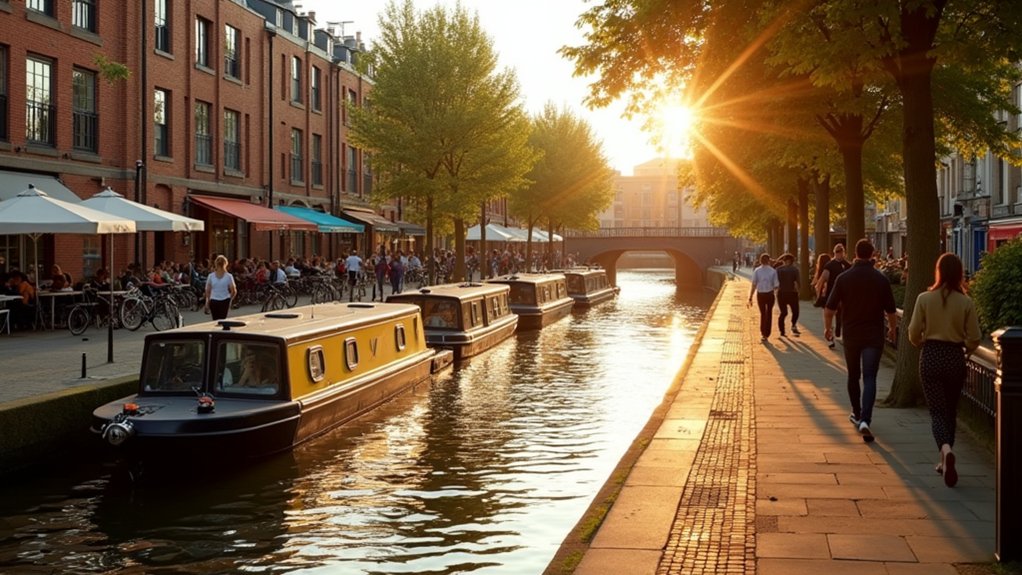
Camden’s lifestyle suits you if you want culture, nightlife, and everyday convenience within easy reach. You can start mornings with coffee at an independent café, browse Regent’s Canal, or exercise in Regent’s Park.
Camden Market remains the area’s social centre, combining street food, vintage stalls, live music, and plenty of people-watching.
You’ll notice strong cultural diversity in the restaurants, shops, festivals, and crowds that shape daily life. After work, local nightlife gives you choices ranging from intimate pubs and comedy clubs to busy venues around the Stables and Chalk Farm.
Noise and weekend crowds can feel intense, particularly near the market, so visit streets at different times before choosing a home. Transport links make exploring London straightforward, while the neighbourhood’s creative energy helps you stay connected and entertained.
How Much Does It Cost to Live in Camden?
How much you’ll spend in Camden depends largely on location, property type, and how close you’re to Camden Market or the nearest Tube station. Expect a room in a shared flat to cost roughly £900–£1,300 monthly, while a one-bedroom apartment commonly ranges from £1,700 to £2,400. Modern, furnished homes and properties near transport links usually command a premium.
Your monthly budget should also cover council tax, utilities, broadband, and transport. These extras can add £200–£350, depending on your usage and household arrangements.
Groceries and casual meals cost more than in outer London, particularly around busy market streets, so shop locally and cook regularly.
For a realistic cost comparison, check several housing options and calculate the full monthly total, not just the advertised rent. Landlords may also request a deposit and advance rent.
Which Camden Areas Are Best for Renting?
Choosing the right part of Camden depends on your priorities, but Camden Town suits renters who want nightlife, restaurants, and quick Northern line connections. You’ll pay a premium for flats near the market, especially furnished studios and converted warehouses, so compare several listings before deciding.
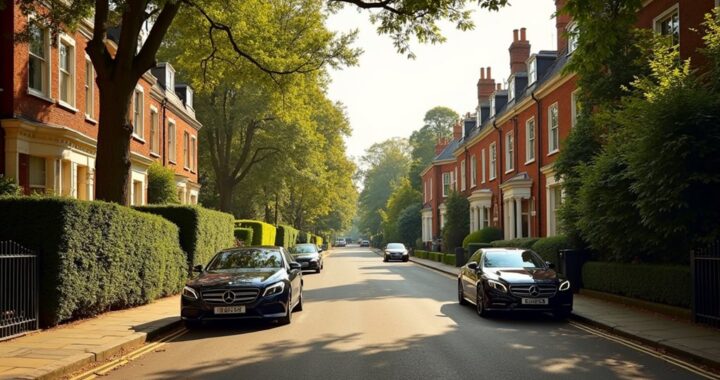
For a calmer feel, consider Primrose Hill, where attractive period homes, independent cafés, and village-style streets appeal to professionals with a larger budget.
Kentish Town offers better value, a lively local scene, and plenty of Victorian conversions, although demand remains strong.
If you prefer green space and historical landmarks, Regent’s Park’s edges provide elegant surroundings, but rents rise accordingly.
Check evening noise, storage, heating costs, and building maintenance during viewings. Nightlife hotspots can be convenient, yet a nearby late-night venue may affect sleep and resale appeal.
How Easy Is Commuting From Camden?
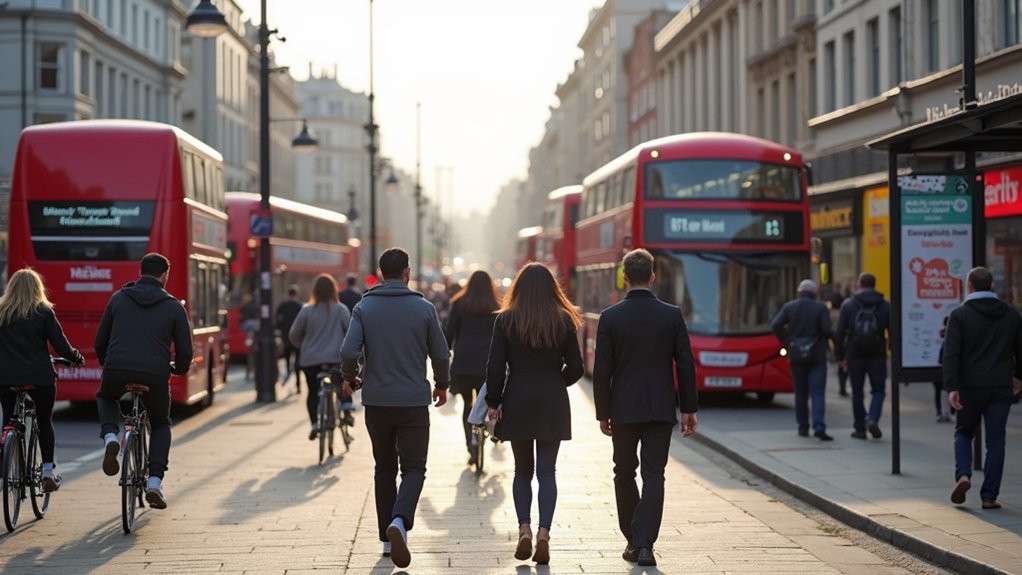
Camden makes commuting across London relatively straightforward, with Northern line stations at Camden Town, Chalk Farm, and Kentish Town linking directly to the West End and the City. You can reach Tottenham Court Road in roughly 10 minutes and Bank in about 20, depending on your starting point.
Morning trains get busy, so you’ll appreciate living within walking distance of more than one station. Public transport extends beyond the Tube: Overground services from Camden Road connect with north and east London, while frequent buses cover routes the Underground misses.
Cycling can also save time, particularly towards King’s Cross, Euston, or Bloomsbury. Check journey times from your specific flat before signing, as a short walk can materially improve your daily commute.
These commuting options help Camden attract professionals working across central London.
What Amenities Make Camden Convenient?
With supermarkets, pharmacies, cafés, and independent shops concentrated around Camden High Street, you can handle most daily errands without leaving the neighbourhood.
You’ll also find larger grocery options near Chalk Farm and Kentish Town, useful for weekly shopping and comparing prices.
Camden Market adds variety, from street-food stalls to vintage clothing, while nearby delis and bakeries support quick lunches.
For local cuisine, explore everything from global dishes at the market to North London pubs serving reliable British favourites.
You can pick up essentials at several pharmacies, visit salons, and use banks and parcel services along the main roads.
Evenings offer plenty of choice, with independent cinemas, music venues, and Cultural events at Roundhouse and the Jazz Café.
Check opening times before visiting, particularly on busy weekends.
Is Camden Safe and Comfortable to Live In?
Safety in Camden varies by street, but most residential areas feel comfortable when you use normal London awareness.
Around Camden Town station and the market, crowds, nightlife options, and late transport create energy but also occasional pickpocketing. Keep your phone secure, plan your route home, and use licensed taxis or reputable ride-hailing services after midnight.
Quieter streets near Primrose Hill, Kentish Town, and Gospel Oak often feel calmer, though lighting and footfall differ block by block. Check your prospective road at daytime and late evening before signing a tenancy.
Good locks, secure entrances, and well-managed communal areas matter as much as the postcode. Green space accessibility adds comfort during daylight, but avoid isolated paths alone at night.
Compare local crime data, speak with nearby residents, and trust your instincts when choosing a flat.
Who Would Enjoy Living in Camden Most?
If you enjoy lively streets, cultural variety, and having cafés, music venues, markets, and green spaces close by, you’ll likely feel at home in Camden. You’ll suit the area if you value spontaneous plans, independent businesses, and easy access to central London. Cultural diversity shapes everyday life, from international food stalls to community events and creative spaces.
Young professionals who enjoy Nightlife scenes will appreciate Camden’s pubs, gig venues, and late-night options. However, weekend crowds and noise can test light sleepers.
Renters should compare streets carefully: quieter pockets near Primrose Hill or Kentish Town may offer more comfort, while locations near the markets typically command premium prices.
You’ll benefit from Camden’s strong transport links, but expect smaller homes and competitive demand. If you prefer calm evenings, abundant parking, or lower rents, another neighbourhood may suit you better.
Frequently Asked Questions
What Is Camden’s History and Cultural Significance?
You’ll find Camden’s history rooted in medieval settlement, canal-era industry, and Victorian expansion.
Today, its former yards and markets reflect London’s countercultural evolution, shaped by music, fashion, street art, and independent traders.
Explore historical landmarks like Camden Lock, Stables Market, and nearby Primrose Hill, then time your visit around cultural festivals and live performances.
You’ll see why the area remains commercially valuable, creatively influential, and constantly changing while retaining its rebellious local character.
Are There Good Schools and Nurseries in Camden?
Yes, Camden offers good schools and nurseries, but quality and availability vary by neighbourhood. You’ll find strong state primaries, reputable secondary schools, and several well-regarded independent options.
School quality often reflects catchment boundaries, so check recent Ofsted reports and admissions data before choosing a home.
Nursery availability can be tight, especially near Kentish Town and Camden Town. Apply early, compare fees, and visit settings to assess fit, spaces, and daily convenience.
How Does Camden Handle Waste Collection and Recycling?
Camden’s waste system runs like clockwork when you know the rhythm. Waste management services collect household rubbish on scheduled days, while your building may use communal bins or separate arrangements.
Recycling programs cover paper, cardboard, glass, cans, and plastic packaging, but accepted items can vary by address. Check Camden Council’s collection calendar before moving in.
You’ll avoid missed collections by sorting carefully, flattening boxes, and keeping bin areas accessible, especially in busy streets.
What Council Services Are Available to Camden Residents?
You can access a broad range of council services in Camden, including rubbish and recycling collection, council tax support, housing advice, planning applications, libraries, parks, adult social care, and health services.
You’ll also find help with benefits, schools, parking permits, and reporting local issues online.
Public transport information supports daily travel, while Community events connect you with neighbourhood activities.
Check Camden Council’s website for eligibility, opening times, and service updates.
Are Pets Allowed in Most Camden Rental Properties?
Pets aren’t allowed automatically in most Camden rentals; you’ll need your landlord’s written permission.
Pet policies vary by building, with purpose-built developments often more flexible than older converted flats.
Rental restrictions may cover dog size, breed, number of animals, or communal-area access.
Before applying, ask the agent for the exact terms, check your tenancy agreement, and budget for a possible pet deposit or higher rent.
Don’t rely on verbal approval alone.
Conclusion
If you’re a young professional, Camden can feel like a well-connected boat: lively waters, creative currents, and Regent’s Park as a quiet harbor. You’ll pay a premium near the Market, but you can steer toward Kentish Town or calmer streets for better value. With reliable transport, flexible workspaces, nightlife, and everyday amenities close by, Camden keeps work and play within reach. Choose your street carefully, check evening noise, and you’ll find a rewarding London base.