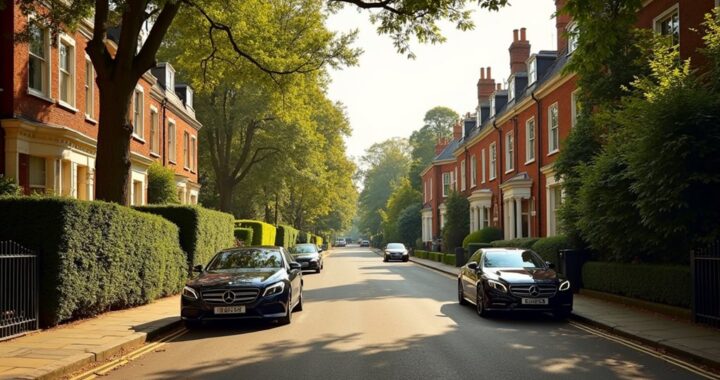

If you want London access without paying central-London prices, Romford can feel like a useful middle ground rather than a compromise. You’ll find period homes, modern flats, busy markets, green spaces, and a practical range of shops and services. The Elizabeth line also makes commuting easier, though the town centre can feel lively and uneven depending on the area. Your experience will largely depend on which neighbourhood, budget, and lifestyle you choose.
Is Romford a Nice Area to Live?
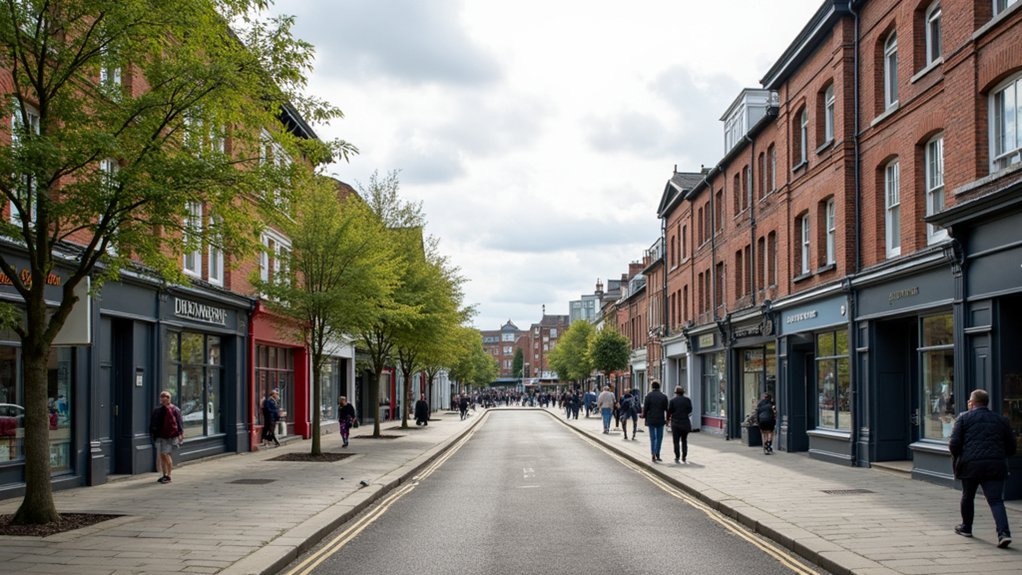
Yes, Romford can be a nice area to live, particularly if you want more space and relatively better value than many parts of East London while staying within reach of central London.
You’ll find a varied housing market, from period terraces and flats to newer developments, so compare streets, lease terms, and transport links carefully.
Romford station offers Elizabeth line services, making commutes into central London considerably easier, although peak fares and journey times still matter.
Families may appreciate local schools, parks, and access to healthcare, while shoppers benefit from the town centre and nearby retail parks.
You can also enjoy local cuisine ranging from traditional British dishes to international restaurants.
Outdoor activities include exploring parks, cycling routes, and the wider Essex countryside.
However, traffic, busy central areas, and differing neighbourhood character mean you should visit before deciding.
What Is Romford Like Day to Day?
Day to day, Romford feels like a busy, practical town rather than a quiet suburb. You’ll find a steady mix of commuters, families, students, and long-term residents using the centre throughout the week.
The town offers convenient transport links, a large market, supermarkets, cafés, and plenty of independent businesses, so you can handle most errands locally.
Local shopping is varied, although the high street can feel crowded and some areas look tired.
You’ll also have access to outdoor parks and green spaces, including Raphael Park, where you can walk, relax, or take children to play.
Evenings range from casual restaurants and pubs to quieter residential streets.
Expect traffic and bustle near the centre, but you can find calmer pockets beyond it.
How Much Does It Cost to Live in Romford?
Living costs in Romford are generally more manageable than in central and many parts of east London, although prices vary considerably by neighbourhood and property type. You’ll usually find better value in larger flats and houses than closer to central London, but check commuting costs before deciding.
- Rent: One-bedroom homes often cost less than comparable properties in central London, while family rentals vary widely.
- Bills: Budget for council tax, energy, broadband, water, and contents insurance alongside rent or mortgage payments.
- Everyday spending: Local shopping, markets, supermarkets, and high-street services can help you control food and household costs.
Affordable housing exists, but demand can keep prices competitive. You’ll also need to compare transport fares, parking, childcare, and leisure expenses, as these can notably affect your monthly budget.
Which Romford Neighbourhoods Suit You Best?
Romford’s neighbourhoods suit different priorities, so your choice should reflect your budget, commute, household, and lifestyle.
If you want central convenience, Romford town centre puts you near the station, market, cafés, and local shopping, though traffic and evening activity can feel busy.
Brookside and Pettits offer a quieter, more residential atmosphere, making them appealing if you value space and calmer streets.
Rise Park and Harold Wood may suit commuters seeking greener surroundings and rail connections, but check journey times and property prices carefully.
For character, explore areas around the old market and nearby historical landmarks, where period buildings add visual appeal.
Visit each neighbourhood at different times, compare parking and noise, and consider your daily route before deciding.
Local estate agents can clarify street-by-street differences and current availability.
How Good Are Romford’s Schools and Amenities?

If you’re weighing up Romford for family life, you’ll find a broad choice of schools, shops, healthcare services, parks, libraries, and leisure facilities.
School quality varies, so you should compare Ofsted reports, admissions criteria, catchment areas, and inspection dates before choosing a home. You’ll also find nurseries, primary schools, and secondary options, although popular places can be competitive.
- Education: Check school performance, support services, and extracurricular activities.
- Everyday shopping: The town centre offers supermarkets, independent retailers, and local shopping, while larger stores cover most household needs.
- Leisure and wellbeing: You can use libraries, gyms, sports centres, cafés, and green spaces for recreation.
Raphael Park and nearby open spaces provide useful park amenities, including play areas and walking routes.
Healthcare access is convenient, but you should register early with a local GP or dentist.
Is Romford Well Connected to London?
You’ll find fast train links from Romford to central London, making commuting practical. Frequent rail services give you flexibility, although peak-time trains can feel busy.
Easy road connections also help you reach London and nearby areas by car, though traffic may affect journey times.
Fast Train Links
With fast, frequent trains into London, Romford is well connected for commuters. You can reach central London relatively quickly via Elizabeth line services, making daily travel to Liverpool Street, the City, or destinations farther west practical. Journey times vary by stop and service, so check the timetable before committing to a property.
- Speed: Express services can get you into central London in roughly 20–30 minutes.
- Access: You’ll benefit from step-free facilities and connections across the capital.
- Choice: Compare stations, fares, and peak-time travel before deciding where to live.
The railway also makes Romford convenient for visitors exploring historic landmarks or enjoying local shopping. However, rush-hour trains can become busy, and delays still happen. If you work late, confirm evening connections and consider walking or bus links from your home to the station.
Frequent Rail Services
How well connected is Romford to London? You’ll find frequent services from Romford station, making regular travel into central London practical for commuters, students, and occasional visitors.
Elizabeth line trains provide a direct route through key central stations, while additional services support flexibility at busier times. Rail frequency is generally a strong advantage, so you won’t usually need to plan your day around one departure.
However, trains can become crowded during peak periods, particularly on weekday mornings and evenings. Train punctuality is often reasonable, but delays and cancellations can still occur because of maintenance, signalling problems, or disruption elsewhere on the network.
Check live updates before leaving, especially if you have an appointment. Overall, Romford offers dependable rail access, though you should allow extra time during busy periods or disruptions.
Easy Road Connections
Romford is well placed for road travel into London, with the A12 providing a direct route towards Stratford and central areas. The A127 connects drivers with south-east London and Essex. You’ll also find the M25 within practical reach, making journeys across Essex, Kent, and Hertfordshire easier.
However, rush-hour traffic can slow both main roads and local streets, so you’ll need to allow extra time for commuting, school runs, or weekend trips.
- City access: Drive towards Stratford, Canary Wharf, or central London via connected routes.
- Wider travel: Reach the M25 for airports, regional towns, and longer journeys.
- Local convenience: Combine errands, local food trips, and outdoor activities without relying solely on trains.
Parking and fuel costs may affect your budget, but good road links give you flexibility, especially if you work outside Romford or regularly travel with family.
Is Romford Safe for Families and Professionals?
You’ll find family-friendly neighbourhoods in Romford, though safety can vary between streets.
As a professional, you should consider well-lit routes, station activity, and late-night travel arrangements.
Check local schools, healthcare, shops, and other services to judge whether an area meets your household’s needs.
Family-Friendly Neighbourhoods
For families and professionals, Romford offers several welcoming neighbourhoods, but safety and convenience vary by location. You’ll find that quieter streets around Gidea Park and Rise Park often appeal to families, with greener surroundings, established homes, and a calmer atmosphere.
Areas near Romford town centre can suit professionals who value cafés, services, and shopping centers, although noise and activity may be higher.
When comparing neighbourhoods, consider:
- Nearby schools, nurseries, and childcare options.
- Access to local parks, playgrounds, and sports facilities.
- Street lighting, traffic levels, and community upkeep.
You should visit potential streets at different times, speak with residents, and check council information before deciding.
Romford offers varied housing and amenities, so you can usually find a suitable balance between space, convenience, and local character for your household.
Commuter Safety Considerations
Although commuting through Romford is generally straightforward, safety depends on your route, travel time, and transport connections. If you use public transportation, stay aware on platforms, keep valuables secure, and check service updates before leaving.
Romford station and busy interchanges can become crowded during peak periods, so allow space when boarding and avoid distractions.
For walking, choose well-lit streets and use crossings, particularly near major roads and shopping areas. Good pedestrian safety habits matter most after dark, when quieter routes may feel less comfortable.
If you cycle, wear visible clothing, use lights, and secure your bike at an appropriate stand.
You’ll find that practical planning reduces most everyday risks. Consider a trial commute before moving, noting lighting, queues, and late-evening transport options, then choose the route that feels reliable and comfortable.
Schools And Local Services
Schools and local services can make Romford a practical choice for families and professionals, but quality and convenience vary between neighbourhoods. You’ll find primary and secondary schools across the town, so check Ofsted reports, admissions policies, and walking routes before choosing a home. Rental demand near well-regarded schools can also affect your budget.
- Compare catchment areas and transport links before committing.
- Check nearby GP surgeries, dentists, pharmacies, and hospitals for Local healthcare access.
- Look for libraries, parks, childcare, sports facilities, and Community events.
Romford’s central services are generally convenient, while quieter edges may require a car or longer bus journeys. You should visit at different times, ask residents about noise and waiting lists, and confirm service availability directly. These checks will help you judge whether the area suits your household and working routine.
Who Will Enjoy Living in Romford Most?
Romford will suit you if you want relatively affordable housing, strong transport links and plenty of shops, restaurants and leisure facilities within reach of London. You’ll particularly benefit if you commute, as trains and the Elizabeth line can make journeys into central London practical, though peak fares and busy services may affect your budget.
You’ll also find plenty to do locally, from exploring local cuisine in independent eateries to attending cultural festivals and community events.
Families may appreciate the range of schools, parks and everyday services, while young professionals can enjoy the nightlife and convenient shopping.
However, you should consider traffic, urban noise and differences between neighbourhoods before choosing a home. Retirees seeking a quieter setting might prefer outer streets or nearby villages, rather than Romford’s busier centre and transport corridors.
Frequently Asked Questions
What Cultural Events and Festivals Take Place in Romford Throughout the Year?
Romford hosts cultural events throughout the year, so you’ll find seasonal activities rather than one continuous festival programme.
You can attend local art exhibitions at libraries, galleries, and community venues, while markets and heritage events often highlight the town’s history.
Annual music festivals, outdoor performances, and live entertainment typically increase during summer.
Around Christmas, you’ll see markets, concerts, and family activities.
Check Havering Council and venue listings for dates, tickets, and changes.
Are There Local Gyms, Sports Clubs, and Recreational Facilities in Romford?
Yes, you’ll find plenty of gyms, sports clubs, and recreational facilities in Romford. Local leisure centres typically offer swimming pools, fitness classes, gyms, and courts for badminton or basketball.
You can join football, cricket, rugby, tennis, or martial-arts clubs, depending on your interests. Parks and open spaces also support outdoor activities, including walking, running, and informal sports.
Compare membership prices, locations, opening hours, and trial options before choosing facilities that suit your routine.
How Easy Is It to Access Healthcare Services and GP Practices in Romford?
You’ll generally find healthcare access in Romford straightforward, though the theory that appointments are always easy to secure doesn’t hold up. Several GP surgeries serve the area, but GP availability varies by practice, with routine appointments sometimes requiring patience.
You can register locally if you provide the necessary documents.
Queen’s Hospital offers major services nearby, while pharmacies, dentists, walk-in clinics, NHS 111, and online consultations give you useful alternatives when your surgery’s busy.
What Shopping Centres, Markets, and Independent Retailers Are Found in Romford?
You’ll find diverse Shopping options in Romford, centred on The Liberty Shopping Centre and The Brewery, which offer high-street chains, cafés, restaurants, and entertainment.
Romford Market operates several days weekly, selling clothing, household goods, food, and fresh produce.
Independent retailers line South Street, North Street, and surrounding streets, adding Retail diversity and personal service.
You’ll also find supermarkets nearby, although selection, parking costs, and weekend crowds vary considerably.
Are There Opportunities to Volunteer or Join Community Groups in Romford?
Yes, you’ll find plenty of volunteer opportunities and community groups in Romford. You can support local food banks, charities, libraries, hospitals, parks, or youth projects through organisations such as Havens Hospices and Volunteer Centre Havering.
Community centres, faith groups, sports clubs, and residents’ associations also welcome new members. Check Havering Council, Reach Volunteering, and local noticeboards for current roles.
Community engagement helps you meet neighbours, build skills, and improve your area.
Conclusion
Romford can suit you if you want value, convenience, and variety without leaving Greater London. You’ll find character in its period homes, energy in its markets, and calm in greener neighbourhoods such as Gidea Park and Rise Park. The Elizabeth line keeps London within easy reach, while local schools, parks, shops, and services support everyday life. Weigh each area’s atmosphere, costs, and priorities carefully, and Romford could offer the practical, well-connected home you’re seeking.