
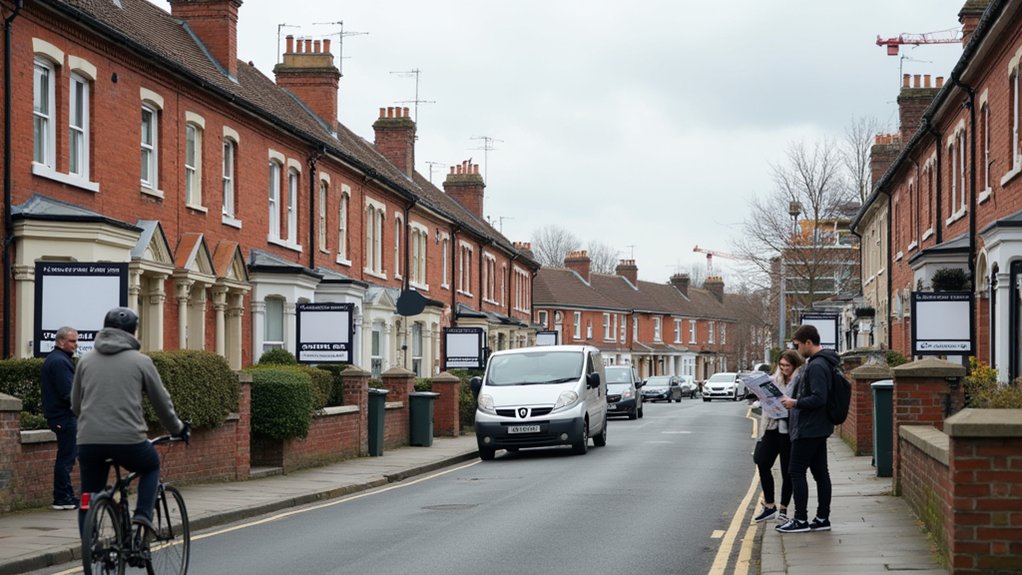
If you’re buying or selling in Reading, you’re operating in a competitive market shaped by limited inventory, firm prices, and strong demand in well-connected areas with reputable schools. Move-in-ready homes often attract quicker offers, while properties requiring significant work may trade at discounts. Mortgage rates, seasonality, and local supply will continue influencing outcomes, so your strategy should reflect current conditions—not broad national headlines. Here’s what the latest trends mean for your next move.
What Is the Reading Housing Market Like Now?

Reading’s housing market is competitive, with demand concentrated around well-connected neighborhoods, quality schools, and move-in-ready homes. If you’re buying, you’ll find limited choice in the most sought-after areas, while properties needing substantial work may attract a narrower buyer pool.
Sellers can benefit from strong visibility, but presentation, pricing strategy, and accurate disclosures remain essential to securing qualified interest.
Current market trends reflect a selective environment rather than uniform demand across every segment. You’ll see buyers compare commuting access, school performance, local amenities, energy efficiency, and ongoing ownership costs before making offers.
Economic factors, including mortgage affordability, household income, employment conditions, and consumer confidence, continue influencing activity. Local estate agents and sold-property evidence can help you assess competition, realistic timeframes, and suitable negotiation tactics.
How Are Reading Home Prices Trending?
Reading home prices have shown a mixed but generally resilient trend, with values varying markedly by property type, condition, and location. You’ll see stronger pricing for well-presented homes near transport links, respected schools, and central amenities, while properties needing substantial work face greater negotiation. Recent market fluctuations reflect affordability pressures, mortgage-rate changes, and uneven buyer confidence rather than a broad collapse.
- Prime locations: Desirable neighborhoods continue to command premiums, supported by limited supply and consistent demand.
- Mid-market homes: Prices show signs of price stabilization as buyers and sellers adjust expectations to financing costs.
- Renovation opportunities: Older or inefficient properties often attract discounts, giving you negotiating leverage but requiring careful budgeting.
For your decision, compare recent sold prices—not just asking prices—and assess condition, energy performance, and local competition. Reading’s varied housing stock means headline averages can obscure substantial street-by-street differences.
Monitor monthly data before committing.
How Fast Are Reading Homes Selling?
To assess how fast Reading homes are selling, you’ll first examine average days on market alongside current buyer demand levels.
You’ll then evaluate how pricing, property condition, location, and mortgage rates affect selling speed.
These indicators show whether Reading favors sellers, buyers, or a balanced market.
Average Days on Market
How quickly are homes selling in Reading? Recent market data suggests properties typically spend several weeks on the market, though the exact average changes with inventory, pricing, and seasonality. You should compare current listings with recent closed sales rather than rely on a single headline figure.
- Pricing matters: Well-priced, move-in-ready homes often attract offers sooner than comparable properties needing repairs or carrying ambitious asking prices.
- Market fluctuations: Seasonal shifts and changing inventory can lengthen or shorten marketing times from month to month.
- Mortgage rates: Higher borrowing costs can slow transaction timelines, while rate improvements may help qualified buyers act more quickly.
Track each listing’s days online, price reductions, and final sale-to-list ratio. If you’re selling, accurate valuation and strong presentation can reduce exposure. If you’re buying, longer market times may create room for careful negotiation.
Buyer Demand Levels
Buyer demand in Reading appears strongest for well-priced, move-in-ready homes, while overpriced or dated properties may take longer to attract offers.
You’ll likely see the quickest response in popular price bands, where qualified buyers monitor new listings closely and may schedule viewings soon after launch.
Market trends suggest demand remains selective rather than uniformly intense: attractive homes can generate multiple enquiries, while weaker listings may require price adjustments.
Your property’s presentation and asking price will shape how quickly buyers engage, but current activity doesn’t guarantee an immediate offer.
Financing options also influence purchasing power, with mortgage affordability affecting which homes buyers can pursue.
To gauge demand accurately, compare recent listing activity, viewing levels, and accepted-offer patterns for similar Reading properties—not broad regional averages.
This approach helps you set realistic expectations and evaluate market feedback promptly.
Factors Affecting Speed
The speed at which Reading homes sell depends on pricing accuracy, property condition, location, and buyer affordability. You’ll see well-priced, move-in-ready properties attract stronger early interest, while ambitious asking prices can extend marketing time and trigger reductions.
- Pricing: Compare recent Reading sales, current competition, and buyer demand before setting your list price. Accurate positioning improves viewings and offers.
- Presentation: Repairs, energy efficiency, professional photography, and flexible viewing times can shorten the decision cycle.
- Market conditions: Mortgage rates directly influence monthly payments and purchasing power. When rates rise, affordability weakens and buyers often negotiate harder.
During market fluctuations, transaction times can widen, even for desirable homes.
You should monitor comparable listings, sale-agreed timelines, and price reductions weekly. A realistic strategy, responsive communication, and a prepared property give you the best chance of securing an offer quickly, without sacrificing value.
What Is Driving Reading Buyer Demand?
Reading buyer demand is being driven by a combination of affordability, employment access, household formation, and limited housing supply.
If you’re evaluating Reading’s market, compare prices with nearby towns and track how mortgage rates affect monthly payments. Lower borrowing costs generally expand your budget, while higher rates reduce purchasing power and encourage buyers to negotiate more firmly.
Reading’s access to London, major employers, rail connections, and the M4 corridor continues to attract commuters and professionals who value shorter journeys.
Local universities, hospitals, and business growth also support steady employment-led demand.
Household formation adds further pressure as renters become first-time buyers and existing owners seek more space.
Watch Market trends such as asking-price changes, agreed-sale volumes, and buyer enquiries to judge whether demand is strengthening or cooling.
How Does Housing Supply Affect Reading?
When available homes remain below the level of buyer demand, Reading’s housing market tends to favour sellers, supporting firmer prices and faster transactions. You’ll see supply constraints affect pricing, negotiation leverage, and the time properties spend listed. Local development, planning approvals, and homeowners’ willingness to move determine whether inventory expands quickly enough to balance demand.
- Prices: Limited listings can sustain annual growth, although borrowing costs may restrict purchasing power and Housing affordability.
- Choice: More supply gives you broader options, while tight stock increases competition for well-presented homes.
- Rentals: If buying remains difficult, demand shifts into the Rental market, potentially lifting rents when new homes and rental properties lag household formation.
For Reading, sustained construction and turnover are essential to moderate market pressure. Watch listing volumes, completion data, and sale-to-list-price ratios to assess whether supply is easing.
What Should Reading Buyers Know Today?
With supply still uneven across Reading, buyers should compare recent sold prices, current mortgage rates, and property-level demand before making an offer.
Check how quickly comparable homes went under contract, then separate asking-price trends from achieved prices.
Your budget should include taxes, insurance, maintenance, and a realistic rate-change buffer, especially if you’re considering an adjustable loan.
Evaluate each property’s condition carefully: repair costs can materially change its effective price.
Location also deserves measurable attention. Compare commute times, school access, transit links, green space, and neighborhood amenities rather than relying on broad area averages.
If competition remains strong, set a firm ceiling and avoid waiving protections you may need.
A lender’s updated payment estimate and a market-informed inspection can help you act decisively without overextending your finances or compromising long-term value.
What Should Reading Sellers Do Now?
Sellers should price from recent achieved sales, not optimistic asking-price comparisons, while tracking Reading’s current supply, buyer demand, and average time to contract. Market fluctuations can quickly change your negotiating position, so review comparable sales weekly and adjust promptly if showings remain weak. Mortgage rates also influence affordability; understand how payment changes may narrow your buyer pool.
- Prepare strategically: Complete high-return repairs, improve presentation, and address inspection concerns before listing.
- Market precisely: Use professional photography, accurate property details, and launch timing that captures active demand.
- Negotiate intelligently: Evaluate offers by price, financing strength, contingencies, appraisal risk, and completion certainty—not headline value alone.
You’ll protect your position by setting a measurable review date, such as 10 to 14 days after launch. If activity underperforms, consider a targeted price adjustment rather than waiting for momentum that may not return.
Frequently Asked Questions
What Are the Property Tax Rates in Reading?
Reading’s property tax rate depends on which municipality and county you mean, so you’ll need to verify your exact address.
In Reading, Pennsylvania, your bill generally combines Berks County, city, and school-district millage rates; the total can vary considerably by district. You can check the current millage schedule through the Berks County assessment office or Reading’s tax department.
Review property tax assessments alongside home appraisal trends, because assessed value—not market value—drives your bill.
Which Reading Neighborhoods Have the Best Schools?
If you’re chasing top schools, don’t trust the neighborhood gossip—apparently every street claims a Nobel-worthy elementary school.
In Reading, prioritize neighborhoods assigned to highly rated schools, especially areas near Wood End, Birch Meadow, and Killam Elementary, subject to annual boundary changes.
Compare current School rankings with test scores, class sizes, and reviews.
You should also evaluate Neighborhood safety, commute times, inventory, and resale demand before making an offer.
Are There Flood Risks or Environmental Concerns in Reading?
Yes, you’ll find flood risks and environmental concerns in Reading, especially near the Thames, Kennet, and lower-lying drainage corridors. Check the Environment Agency’s Flood zones before you offer, and review property-level insurance quotes, historic claims, and drainage reports.
Environmental hazards can include contaminated land, radon, former industrial sites, and traffic-related air pollution. Your conveyancer should assess the environmental search, while local flood defenses and planned developments may affect future resale values and mortgageability.
What Public Transportation Options Are Available in Reading?
You’ve got options—because driving everywhere isn’t the only way to move around Reading. You can use MBTA commuter rail services from Reading Station, connecting you to Boston’s North Station and nearby communities.
Local MBTA bus routes expand access for errands and neighborhood trips, while rideshare and regional buses fill gaps.
Public transit enhancements may improve reliability and connectivity, supporting housing demand near stations.
Check schedules, fares, and service changes before commuting.
How Much Do Reading Homeowners Typically Pay for Utilities?
You’ll typically spend about £180–£280 monthly on household utilities in Reading, depending on property size, occupancy, and energy consumption. That estimate generally includes gas, electricity, water, broadband, and council tax.
Although council tax alone can add roughly £130–£250 monthly. Current utility costs remain sensitive to tariff changes and home efficiency.
A well-insulated flat usually sits near the lower end, while larger, older houses can exceed £350 monthly during winter.
Conclusion
Reading’s housing market remains competitive, with resilient prices, limited supply, and strongest demand for well-presented homes near transport links and respected schools. If you’re buying, secure financing early and inspect carefully—particularly when a discounted property needs renovation. For example, a move-in-ready three-bedroom near a station may attract multiple offers within days, while a similar fixer-upper takes longer. If you’re selling, price accurately, improve presentation, and respond quickly to changing mortgage rates and buyer activity.