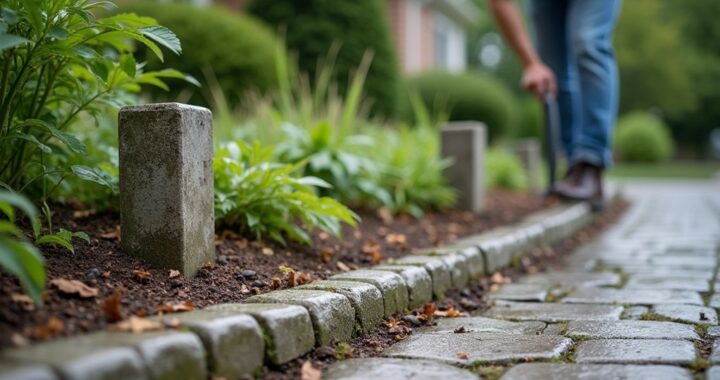

Healthy lawns and gardens start with a practical care plan, not occasional maintenance. You’ll get better results when you test your soil, choose plants suited to your climate, water deeply, mow at the right height, and control weeds early. Regular inspections also help you catch pests and disease before they spread. By organizing these tasks around seasonal needs, you can build stronger, more resilient growth—and avoid several common problems that often go unnoticed.
Build a Lawn and Garden Care Plan

A well-structured lawn and garden care plan helps you maintain healthy plants, conserve resources, and prevent costly problems. Start by evaluating your soil, plant varieties, sunlight, drainage, and seasonal needs.
Divide tasks into weekly, monthly, and seasonal checklists so you can work consistently rather than react to visible damage. Schedule lawn aeration when compacted soil limits root growth, typically during active grass growth and suitable weather.
Plan garden pruning around each plant’s flowering cycle, removing dead, damaged, or crossing branches with clean, sharp tools. Include mowing, weeding, mulching, pest inspections, and equipment maintenance in your calendar.
Record completed work and plant responses, then adjust future tasks accordingly. A written plan keeps responsibilities clear, supports early problem detection, and helps your landscape remain attractive and vigorous year-round.
Water Lawns and Gardens the Right Way
Water lawns and gardens deeply and consistently rather than giving them frequent, shallow drinks. Apply water early in the morning, when cooler temperatures reduce evaporation and foliage can dry quickly. Check soil moisture by pushing a finger two inches below the surface; water when it feels dry at that depth. Adjust your schedule for rainfall, soil type, plant needs, and seasonal heat instead of following a rigid calendar.
Use drip irrigation or soaker hoses to deliver moisture directly to plant roots while limiting runoff and leaf wetness. Group plants with similar water requirements, and add organic mulch to slow evaporation without covering crowns or stems.
Consider rain collection barrels to capture roof runoff for garden use, where local regulations allow. Inspect hoses, emitters, and connections regularly, and repair leaks promptly to conserve water and maintain even coverage.
Mow Lawns for Stronger, Healthier Growth
Mow at the proper height for your grass type to support strong roots and healthy growth.
Keep your mower blades sharp so they make clean cuts instead of tearing grass.
Together, these practices help your lawn recover quickly and resist disease.
Set Proper Mowing Height
Set your mower to the recommended height for your grass type, typically 2½ to 4 inches, so the blades can develop deeper roots and shade the soil. Confirm the ideal setting for your local grass species selection, because cool-season and warm-season lawns have different needs.
Raise the deck slightly during hot, dry weather to reduce stress and protect moisture. Follow a consistent mowing frequency, but never remove more than one-third of the blade length in a single session.
If the lawn grows unusually tall, make gradual cuts over several days instead of scalping it. Maintain the same height across the yard, adjusting only where shade, slope, or seasonal conditions require it.
Proper height encourages denser growth, limits weed exposure, and helps your lawn withstand foot traffic and drought.
Keep Blades Sharp
Keep mower blades sharp so each pass makes a clean cut instead of tearing the grass. Dull blades leave ragged tips that lose moisture quickly, turn brown, and invite disease. Check your blades before each mowing session, especially after striking rocks, roots, or other hard objects.
Include regular blade maintenance in your seasonal routine: remove the blade safely, inspect it for cracks or bends, and sharpen the cutting edge with a file or grinder. Balance the blade before reinstalling it, then tighten the fastener according to your mower’s instructions.
Replace any damaged blade rather than attempting to repair it. Sharp blades improve cutting efficiency, reduce engine strain, and help you finish evenly.
Mow only when grass is dry, and sharpen blades at least twice each season or whenever the cut looks ragged.
Improve Garden Soil Before Planting
Before planting, test your soil’s pH and nutrient levels to identify conditions that may limit growth.
Add compost or other organic matter to improve structure, drainage, and moisture retention.
Balance nutrients with targeted amendments based on your soil test rather than guesswork.
Test Soil Quality
How well does your soil support healthy plant growth? Soil testing gives you the evidence needed to improve garden conditions before planting. Collect samples from several locations, remove surface debris, and mix them in a clean container. Follow your laboratory’s instructions for the sample depth and submission process.
Request a nutrient analysis that measures pH, nitrogen, phosphorus, potassium, and other essential elements. The results will show whether your soil is acidic, alkaline, deficient, or excessive in specific nutrients.
Compare the recommendations with the needs of your intended plants, since vegetables, flowers, and turf may require different conditions. Test established beds every few years and new areas before planting.
Keep each report for reference, and retest after making measured adjustments to confirm that soil chemistry supports strong, balanced growth.
Add Organic Matter
Add organic matter to improve soil structure, moisture retention, drainage, and nutrient availability before planting. Spread a 2- to 4-inch layer of finished compost over the bed, then work it into the top 6 to 8 inches without turning the soil excessively.
This practice supports soil enrichment by increasing pore space in heavy clay and improving water-holding capacity in sandy ground. Choose mature compost that smells earthy and contains no visible food scraps or weed seeds.
You can also incorporate shredded leaves, aged manure, or well-rotted plant material, provided each is free from chemicals and pathogens. Use effective composting techniques by balancing carbon-rich browns with nitrogen-rich greens and maintaining adequate moisture.
Don’t add fresh manure or undecomposed debris, which can damage roots and hinder planting.
Balance Soil Nutrients
Test your soil before planting so you can balance nutrients according to actual deficiencies rather than guesswork. Use a reliable soil testing kit or send samples to a laboratory for precise pH and nutrient results. Review recommendations carefully, then amend only what your garden needs.
For effective nutrient balancing:
- Apply lime if testing shows acidic soil; use sulfur to lower excessive pH.
- Add compost to improve structure and provide gentle, long-term nutrition.
- Use targeted fertilizers, following label rates to prevent root damage and runoff.
Work amendments into the upper soil layer several weeks before planting, then retest when results suggest a serious imbalance.
Don’t assume more fertilizer means better growth; excess nitrogen can produce weak foliage, reduce flowering, and pollute waterways. Match nutrients to each crop, and maintain records so you can refine future applications.
Control Weeds Without Harming Plants
Effective weed control starts with identifying the weed and choosing a method that protects nearby plants. Pull young weeds after rain, loosening roots with a hand fork to prevent regrowth. Hoe shallowly around established plants, and avoid disturbing soil unnecessarily, since turning soil can expose dormant weed seeds.
Use Mulch application to cover bare ground with a two- to three-inch layer of shredded bark, compost, or straw. Keep mulch several inches away from stems and trunks to prevent rot and pest problems. Replenish it as it thins.
When weeds persist, spot-treat carefully with Organic herbicides, following the label exactly. Shield desirable foliage, apply on calm days, and avoid spraying during heat or drought. Never assume a natural product is harmless; concentrated formulas can burn plants and damage soil life.
Monitor treated areas and remove survivors promptly.
Choose Plants for Your Climate and Yard
Once weeds are under control, choose plants suited to your climate, soil, sunlight, and available space. Start by checking your area’s hardiness zone and observing how many hours of direct light each planting site receives. Test soil pH and drainage before buying plants, then select varieties that match those conditions rather than forcing unsuitable growth.
Prioritize native species because they generally adapt well to local weather, soils, and moisture patterns. For low-maintenance beds, seek plants with strong drought tolerance once established. Match mature height and spread to the location, leaving enough room for airflow and root development.
- Choose sun-loving plants for open, bright areas.
- Use shade-tolerant varieties beneath trees or beside structures.
- Group plants with similar water and soil needs.
Read plant labels carefully, and purchase healthy specimens from reputable nurseries.
Prevent Pests and Seasonal Lawn Problems
Prevent pests and seasonal lawn problems by monitoring your grass and plants regularly for discoloration, thinning, insect activity, and disease symptoms.
Use accurate pest identification before choosing treatment, because misapplied products can harm beneficial insects and stressed plants.
Remove affected leaves, improve drainage, and water deeply at the soil level to reduce disease pressure.
Keep grass at the recommended height for your variety, and avoid excessive nitrogen, which encourages weak growth and pest outbreaks.
During seasonal cleanup, rake leaves, remove fallen fruit, and clear dead stems where insects and fungi overwinter.
Inspect trees and shrubs after storms, pruning damaged branches with sanitized tools.
If damage spreads or you can’t identify the cause, consult a local extension professional.
Follow every pesticide label, protect pollinators, and treat only affected areas.
Frequently Asked Questions
How Often Should Lawn and Garden Tools Be Cleaned and Maintained?
Clean lawn and garden tools after every use, removing soil, sap, and moisture before storage.
Inspect blades, handles, cords, and connections weekly during active seasons, and sharpen or lubricate moving parts monthly or whenever performance declines.
Follow a seasonal Maintenance schedule for deeper cleaning, rust prevention, and repairs.
Keep tools dry in organized Tool storage, off the ground when possible.
Replace damaged equipment promptly, and disinfect cutting tools between plants to reduce disease transmission and protect healthy growth.
When Is the Best Time to Aerate Compacted Lawn Soil?
For best results, aerate compacted lawn soil during its active growth season, when grass can quickly recover. Aeration timing depends on grass type: aerate cool-season lawns in early fall or spring, and warm-season lawns in late spring or early summer.
Choose a day when the soil feels moist but not soggy. Core-aerate heavily compacted areas, then overseed and apply a light fertilizer to encourage dense, healthy regrowth and improve drainage.
How Can Pets Safely Use Lawns and Garden Areas?
You can help pets safely use lawns and gardens by choosing Pet safe fertilizers and following every label’s reentry guidance.
Keep pesticides, herbicides, compost, and toxic plants inaccessible, and remove standing water or sharp debris.
Use Garden fencing options to separate play areas from vegetable beds and delicate plants.
Provide shade and fresh water, inspect the ground regularly, and prevent digging near roots.
Contact your veterinarian if your pet eats something questionable.
What Are the Benefits of Adding Mulch Around Garden Plants?
Mulch can reduce soil-water evaporation by up to 70%, giving your plants a stronger start during dry weather. You’ll improve Mulch moisture by spreading a 2–3-inch layer around plants, keeping it away from stems to prevent rot.
Mulch also provides Garden insulation, moderating soil temperatures during heat and cold. As it decomposes, organic mulch adds nutrients, suppresses weeds, limits erosion, and supports beneficial soil organisms.
Replenish it seasonally for consistent protection.
How Should Lawns and Gardens Be Prepared for Severe Weather?
For storm preparedness, you should secure garden furniture, stakes, trellises, and loose containers before severe weather arrives. Prune dead or weak branches, clear gutters and drains, and remove debris that could become hazardous.
You’ll protect soil by applying mulch, checking erosion-prone areas, and ensuring drainage works properly. Choose weather resistant plants suited to your climate, and group vulnerable plants near sheltered walls.
Afterward, inspect for damage, standing water, pests, and broken limbs promptly.
Conclusion
Healthy lawns and gardens don’t happen by accident—they reflect small, consistent choices. Build a care plan, water deeply, mow correctly, improve soil, and manage weeds before they become unwelcome guests. Choose plants suited to your climate, then inspect regularly for pests and seasonal stress. With timely attention and a lighter environmental footprint, you’ll encourage stronger growth, conserve resources, and enjoy an outdoor space that stays vibrant, resilient, and inviting through every season.