A strong boundary does more than mark your property—it protects your privacy, safety, and peace of mind. Start by inspecting fences, walls, posts, gates, and boundary markers, then verify ownership lines through your deeds, surveys, and local requirements. Repair weaknesses with durable materials and corrosion-resistant hardware, while improving locks, lighting, and landscaping where appropriate. Regular maintenance prevents small defects from becoming disputes or costly failures, but one overlooked detail can undermine the entire perimeter.
Inspect Your Property Boundaries
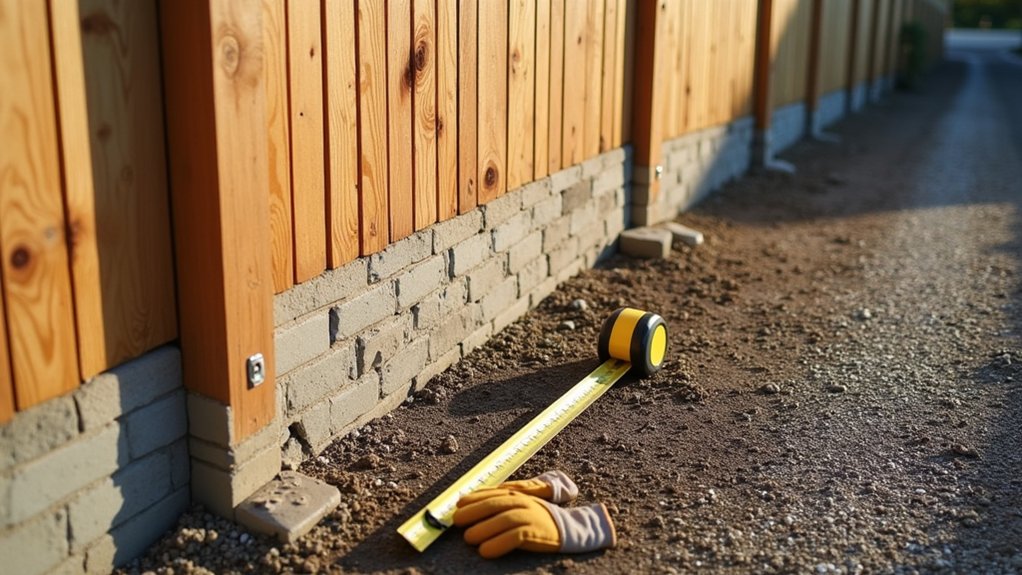
Before planning, repairing, or replacing any perimeter structure, inspect your property boundaries carefully. Locate boundary markers, including pins, stakes, monuments, and recorded reference points. Don’t assume an existing line, hedge, driveway, or neighboring structure shows the legal boundary.
Review your deed, plat, and local setback requirements, then compare them with visible conditions. If markers are missing, disputed, or unclear, hire a licensed land surveyor to confirm survey accuracy before you authorize work.
Keep dated photographs, measurements, documents, and written communication with adjacent owners. Check for easements, rights-of-way, drainage corridors, and utility restrictions that may limit construction or access.
Contact your planning or building department to verify permits and fencing rules. Clear boundary information protects you from encroachment claims, costly removal orders, and avoidable disputes during future improvements or transfers.
Fix Weak Posts, Panels, and Walls
Once your boundary and any applicable restrictions are clear, inspect each post, panel, and wall for movement, rot, corrosion, cracks, leaning, or water damage.
Test post stability by checking footing movement and fastener condition. Reset loose posts in properly compacted concrete where permitted, and replace posts with severe decay, splitting, or structural damage.
For panel repair, tighten or replace missing fixings, reinforce sagging sections, and secure joints without creating sharp projections.
Stabilize leaning walls only after identifying the cause, such as poor drainage, root pressure, or failed foundations.
Repair minor cracks with suitable mortar or masonry filler, but obtain professional advice for retaining walls, substantial movement, or deep structural cracks.
Keep temporary supports in place until repairs cure, and dispose of damaged materials safely.
Record completed work and monitor the boundary after heavy rain or strong winds.
Choose Durable Boundary Materials
Choose materials that suit the boundary’s exposure, required service life, and maintenance demands. Begin your boundary material selection by evaluating sunlight, rainfall, humidity, soil contact, wind, and potential impact.
Select pressure-treated or naturally durable timber where appearance matters, and specify suitable preservatives for the hazard level.
For metal boundaries, choose galvanized, stainless, or properly coated steel according to corrosion risk.
Masonry and concrete can provide long service, but use appropriate mixes, reinforcement, and weather-resistant finishes.
Consider durability considerations alongside installation conditions, local climate, and access for future cleaning or repainting.
Confirm that products meet applicable standards and manufacturer requirements.
Avoid combining incompatible materials that may promote corrosion or trap moisture.
Obtain professional advice where exposure is severe, planning controls apply, or structural performance requires formal design.
Reinforce Gates, Hinges, and Locks
Durable materials won’t compensate for weak access points, so reinforce gates, hinges, and locks to match the boundary’s exposure and security needs. Start by checking each gate for sagging, movement, corrosion, and gaps that could prevent reliable closure.
Select frames and fasteners rated for the gate’s weight, weather conditions, and daily use. Improve hinge durability with heavy-duty, corrosion-resistant hinges secured through the frame with tamper-resistant bolts, not short screws.
Install a lock designed for exterior service, and protect its mechanism from water and debris. Use a latch that engages fully without forcing the gate, then verify that it can’t be lifted off its hinges when closed.
For dependable gate security, maintain clear access for authorized users and test every component after installation. Schedule inspections and promptly replace worn hardware.
Improve Privacy and Perimeter Security

You can install privacy screening to limit visibility while maintaining required access and ventilation.
Reinforce gates, hinges, and locks at every access point, and add motion-activated lighting to improve nighttime awareness.
Make sure each measure complies with local codes, easements, and property agreements.
Install Privacy Screening
Install privacy screening where it limits unwanted views without obstructing required access, drainage, sightlines, or emergency routes. Choose fencing panels, lattice, slatted screens, hedges, or layered planting according to your privacy needs, wind exposure, maintenance capacity, and local requirements.
Confirm property lines, height limits, setback rules, and any neighborhood or planning restrictions before installation. Anchor freestanding screens securely, and select materials rated for outdoor moisture, ultraviolet exposure, and expected wind loads.
Avoid dense barriers that trap water against walls or reduce visibility near driveways and walkways. Use landscape integration to connect screening with existing trees, shrubs, and grading.
Coordinate colors, textures, and proportions for aesthetic enhancements that complement your property rather than creating an imposing boundary. Inspect fasteners, posts, plants, and drainage regularly, and repair damage promptly.
Reinforce Access Points
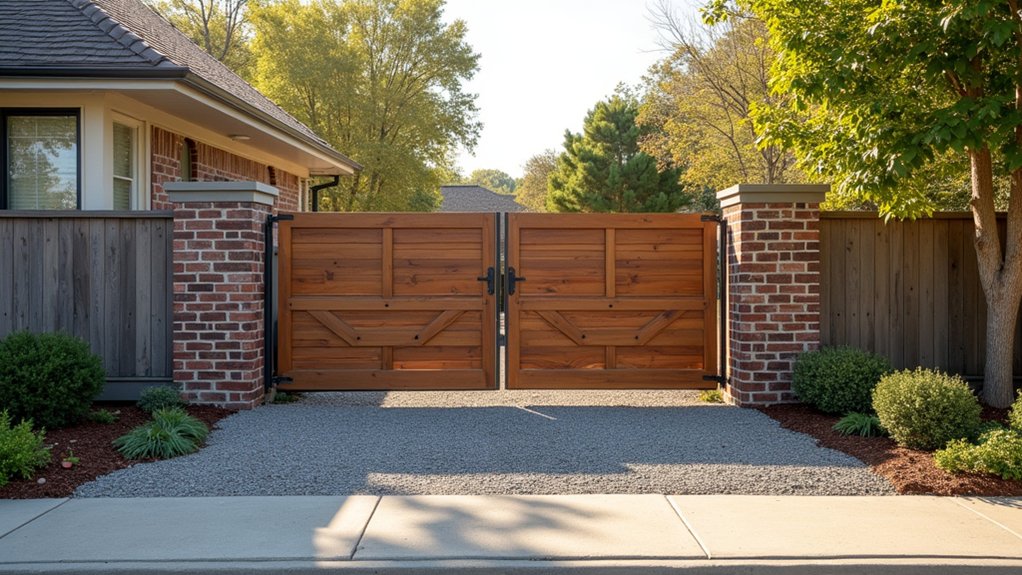
Secure gates, doors, and other access points with hardware that matches their use, exposure, and security requirements. Choose corrosion-resistant hinges, reinforced frames, tamper-resistant fasteners, and commercial-grade locks for gates exposed to weather or frequent traffic.
Install self-closing mechanisms where safety codes or site policies require them, and control keys or access credentials through a documented system.
Position security cameras to cover entry approaches, hinges, latches, and blind spots without capturing areas that raise privacy concerns.
Keep gate gaps narrow enough to deter reaching, climbing, or tool insertion, while preserving required emergency access and accessibility clearances.
Coordinate upgrades with your fencing aesthetics so new hardware, panels, and finishes look intentional.
Inspect connections, alignment, locks, and controls regularly; repair damage promptly, and retain maintenance records to support compliance and reliable perimeter security.
Add Motion Lighting
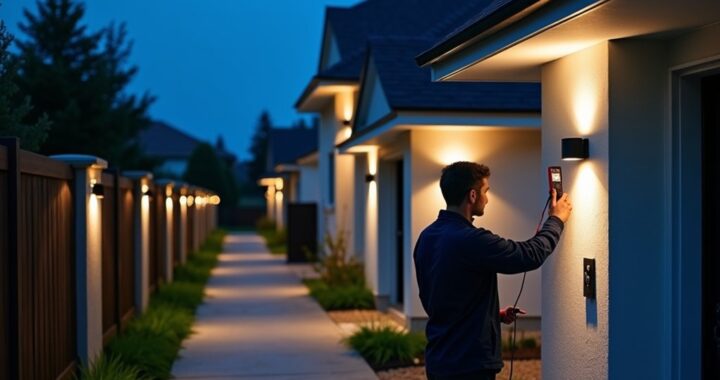
Motion-activated lighting can improve privacy and perimeter security by illuminating approaches, gates, and concealed areas only when activity occurs. Position fixtures above entry points, along walkways, and near fence corners, but aim beams downward to limit glare and avoid disturbing neighbors.
Choose weather-resistant, tamper-resistant units rated for your local conditions. Adjust sensitivity and detection range so pets, passing traffic, or moving branches don’t trigger unnecessary activation.
LED fixtures provide energy efficient illumination, reducing operating costs while delivering clear visibility. Consider separate zones for gates, driveways, and service areas, and test each zone after installation.
Motion lighting benefits include early awareness, improved camera images, and fewer continuously lit areas. Follow electrical codes, use qualified installers for hardwired systems, and maintain fixtures by cleaning lenses and checking mounts regularly.
Maintain Strong Property Boundaries

Clear property boundaries help prevent disputes, deter unauthorized access, and define who’s responsible for maintaining each area. Walk your perimeter regularly, inspect fences, walls, gates, and posts, and repair damage before small defects become security or liability concerns. Keep records of inspections, repairs, permits, and contractor work so you can demonstrate consistent care.
Use these measures to maintain a dependable boundary:
- Trim trees, shrubs, and grass through planned boundary landscaping, keeping vegetation from concealing damage, obstructing sightlines, or weakening structures.
- Install durable boundary signage where property lines, access restrictions, surveillance, or safety requirements need clear communication.
- Confirm property lines with current surveys before replacing fences or moving gates, and consult local authorities about easements, setbacks, and height limits.
Secure gates with suitable locks, preserve drainage around foundations, and address corrosion promptly. If ownership is disputed, avoid confrontation and seek professional legal or surveying guidance.
Frequently Asked Questions
Do I Need Planning Permission to Build or Replace a Boundary Structure?
You may need planning permission to build or replace a boundary structure, depending on its height, location, design, and local rules.
In England, fences, walls, or gates generally need permission above one metre beside a highway or two metres elsewhere.
Listed buildings, conservation areas, and restrictive covenants can impose extra requirements.
Check with your local planning authority before starting.
Consider boundary privacy, aesthetic considerations, neighbours’ rights, and building regulations where applicable.
Who Is Legally Responsible for Maintaining a Shared Boundary?
You’re usually jointly responsible for maintaining a shared boundary, unless your title documents, lease, transfer, or a written agreement says otherwise. Check those records first, because ownership and repair obligations can differ.
Discuss necessary work with your neighbour and agree on costs before starting.
Don’t move boundary fencing or allow property encroachment without consent.
If you can’t agree, seek legal advice, review the boundary plan, and consider mediation before taking action.
How Can I Resolve a Property Boundary Dispute With My Neighbor?
You can resolve a property boundary dispute by first agreeing to stop treating a few inches of soil like an international border.
Review your deeds, title plans, and local records, then commission an independent surveyor to establish the line.
Discuss the findings calmly and document any agreement.
Check Boundary marking requirements and Fencing regulations before moving, repairing, or replacing fences.
If talks fail, use mediation, then seek legal advice or court determination.
What Insurance Coverage Applies to Damage Involving Fences or Boundary Walls?
Insurance coverage for fence or boundary-wall damage depends on your policy, cause, and ownership. Homeowners insurance may cover sudden damage from storms, fire, vandalism, or vehicles, but typically excludes wear, rot, poor maintenance, and gradual deterioration.
Check whether your policy includes Fence repair and whether limits apply to detached structures. Boundary insurance isn’t usually a standard product; confirm coverage, deductibles, exclusions, and responsibility with your insurer, especially after a dispute.
Should I Hire a Surveyor Before Relocating or Rebuilding a Boundary?
Yes, you should hire a surveyor before relocating or rebuilding a boundary. You might assume an existing fence marks the legal line, but testing that theory against title documents, boundary markers, and property surveys can reveal costly errors.
A licensed surveyor can identify the precise boundary, record encroachments, and provide evidence for contractors or disputes. Don’t rely on measurements, verbal agreements, or outdated plans; obtain a current survey and confirm local requirements first.
Conclusion
Strong property boundaries don’t just define your land—they offer quiet reassurance and a sense of shelter. By inspecting markers, repairing weakened posts and walls, selecting resilient materials, and reinforcing gates and locks, you’ll protect what matters most. Maintain privacy, lighting, landscaping, and security features as conditions change, and address small concerns before they become costly surprises. With consistent care and respect for local requirements, you’ll preserve your property’s integrity and enjoy greater confidence for years to come.