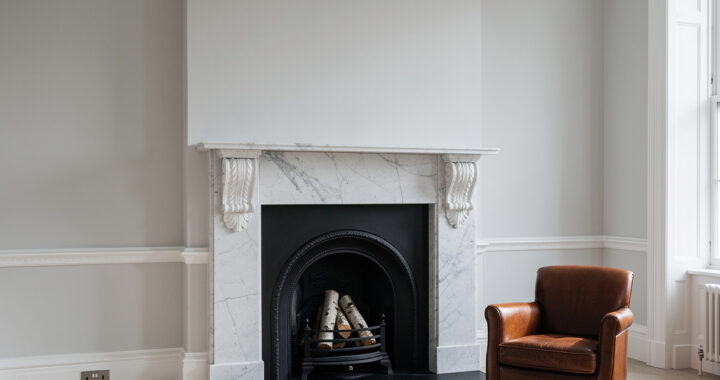
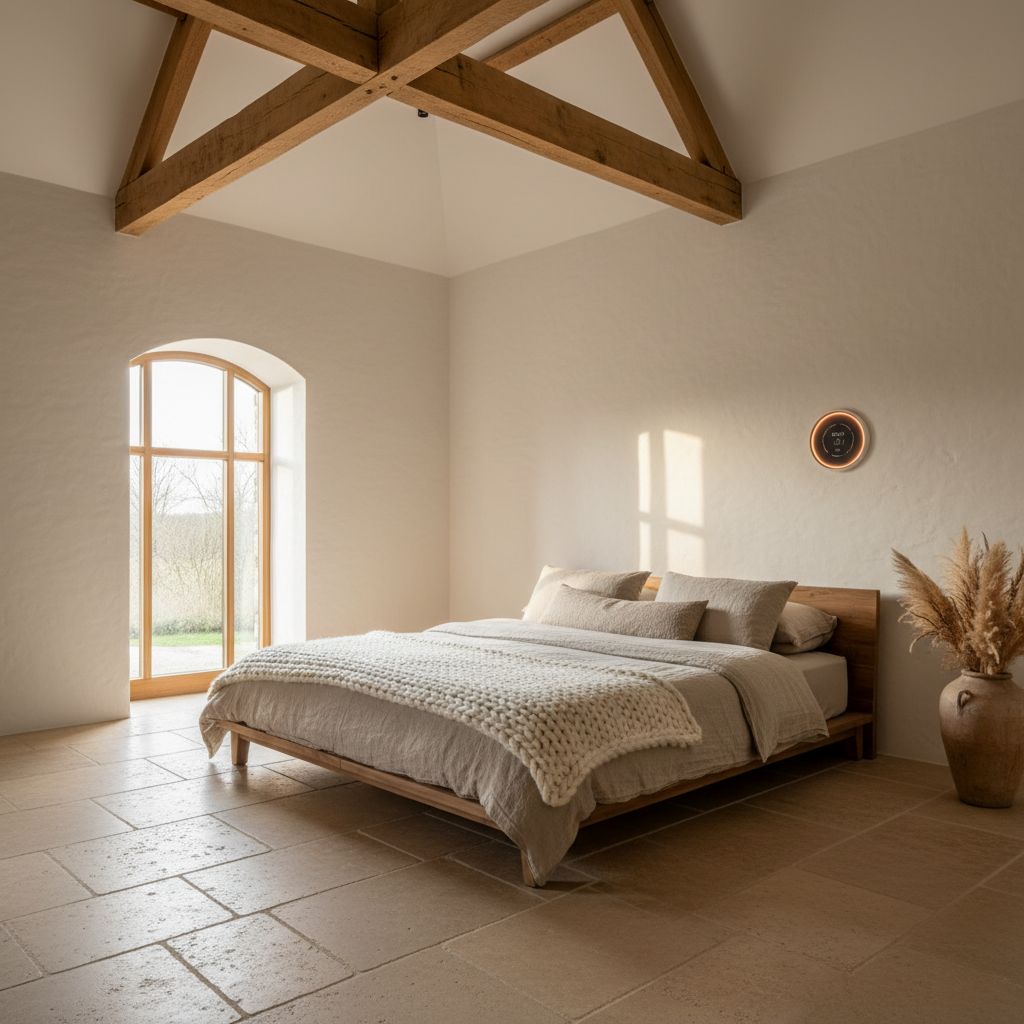
There’s a quiet shift happening beneath your feet. Across the UK, more homeowners are choosing underfloor heating not just for comfort, but for its seamless integration with modern living. You’re no longer limited by radiators or ductwork. This year, advancements in installation and energy efficiency are making it a practical upgrade, not a luxury.
The Great British Chill and the Efficiency Revolution
How Heat Loss Shapes Heating Choices
Traditional radiators often struggle to maintain consistent warmth in homes with high ceilings or single-glazed windows, common features in many UK properties. You lose heat rapidly through poorly insulated walls and floors, forcing conventional systems to work harder and consume more energy. Underfloor heating operates at lower water temperatures than radiators, reducing strain on your boiler and cutting fuel use over time. A mid-sized SaaS firm retrofitting its Victorian office in Bristol reported a noticeable drop in gas consumption after switching, with staff commenting on improved comfort during winter months.
The Physics of Even Distribution
Heat rises naturally, and underfloor systems use this principle to their advantage by emitting warmth uniformly across the entire floor surface. You experience less temperature variation from floor to ceiling, eliminating the stuffy air found near radiators. In a typical living room, the difference between head and foot level can be as much as 4°C with radiators, but underfloor setups reduce this gap significantly. This balanced profile means your thermostat reads the room more accurately, preventing unnecessary cycling and stabilising energy draw.
Compatibility with Modern Insulation Standards
New building regulations and retrofit initiatives have pushed insulation quality to higher levels across the UK housing stock. You now see thicker cavity fills, upgraded glazing, and thermal breaks becoming standard, even in older homes undergoing renovation. These improvements make underfloor heating more effective, as the system’s low-temperature output aligns perfectly with well-sealed environments. A detached home in the Lake District, upgraded to Passivhaus standards, relies solely on electric underfloor heating powered by rooftop solar, operating without a gas connection for two full heating seasons.
Integration with Renewable Energy Sources
Heat pumps perform best when delivering warmth at lower temperatures, a condition underfloor heating meets effortlessly. You gain greater synergy between your heat pump and distribution system, improving seasonal performance factors and reducing electrical demand. In social housing projects across Scotland, hybrid installations pairing air-source pumps with wet underfloor circuits have lowered heating bills by as much as half compared to older radiator-based setups. These systems respond well to off-peak electricity tariffs, further enhancing cost efficiency.

Interior Design Without the Iron Obstacles
Freedom to Arrange, Not Adapt
Traditional radiators dictate the layout of most UK living rooms, forcing furniture placement around their fixed positions and interrupting sightlines with bulky metal frames. You no longer need to position your sofa with a three-inch gap for airflow or avoid placing a bookshelf where a pipe emerges from the wall. Underfloor heating removes these constraints, allowing you to design your space based on aesthetics and function rather than mechanical necessity. A homeowner in Bristol recently reconfigured a Victorian terrace with floor-to-ceiling cabinetry along an entire wall, a move that would have been impossible with wall-mounted radiators obstructing the joinery.
Uninterrupted Floor Coverings and Visual Flow
Carpet edges no longer need to be lifted at the base of a radiator, and hardwood planks can run seamlessly from one end of the room to the other without detours around heating units. This uninterrupted flooring enhances the perception of space, particularly in smaller homes where visual continuity matters. You might choose a large area rug without worrying about covering a heat source, since warmth rises evenly across the entire floor surface. In a recent renovation in Edinburgh, a designer used a single expanse of engineered oak throughout an open-plan kitchen and dining area, achieving a clean, gallery-like aesthetic made possible by the absence of visible heating elements.
Wall Space Reclaimed for Art and Architecture
Every square metre of wall in a modern home has potential-whether for a statement mirror, a curated art collection, or built-in storage. Radiators have long compromised that potential, relegating valuable vertical real estate to functional hardware. With underfloor heating, you gain full access to all walls, enabling more ambitious interior schemes. A mid-sized SaaS firm converted a former warehouse in Manchester into office space, using entire walls for digital displays and acoustic panels, a design decision only viable because heating was embedded beneath the polished concrete floor.
Minimalism Meets Practicality
The minimalist aesthetic thrives when clutter and protrusions are eliminated, and underfloor heating aligns perfectly with this principle. You can achieve a sleek, uncluttered look without sacrificing comfort, even in traditionally cold UK winters. Unlike exposed pipework or thermostatic valves that break the visual rhythm of a room, the heating system remains entirely out of sight. In a new-build flat in Brighton, the interior designer specified frameless glass partitions and flush-mounted doors, completing the look with invisible heating that supported the project’s emphasis on purity of form and material honesty.
The Economics of the Invisible Hearth
Long-Term Savings Over Time
Electricity prices in the UK have remained volatile, making energy efficiency a top priority when upgrading home systems. Underfloor heating, particularly water-based systems connected to modern condensing or heat pumps, operates at lower temperatures than traditional radiators while delivering consistent warmth. You benefit from reduced energy consumption because the entire floor surface acts as a radiator, eliminating cold spots and minimising heat loss. A mid-sized SaaS firm retrofitting its office in Bristol reported a 22% drop in heating costs within the first year after switching, a saving mirrored in residential case studies across Devon and Leeds.
Increased Property Value
Buyers increasingly view underfloor heating as a premium feature, especially when paired with smart controls or installed in bathrooms and kitchens. Estate agents in Edinburgh and Brighton note that homes advertising this system often attract higher offers, particularly in new builds or renovated period properties. The absence of radiators frees up wall space, enhancing the appeal of open-plan living areas. One survey of London flat sales in 2025 showed that units with underfloor heating sold, on average, 11 days faster than comparable units without, suggesting strong market preference.
Lower Maintenance Costs
Unlike radiators, which require annual bleeding and occasional valve replacements, underfloor systems have no moving parts in the living space and are sealed within the floor structure. Once installed correctly, they demand minimal intervention over decades. Electric mats and pipework are designed to last beyond 50 years, outliving multiple boiler cycles. You avoid recurring service fees tied to radiator upkeep, and the reduced strain on your boiler extends its operational life. Homeowners in Norfolk have reported going seven years without a single heating-related service call after installation.
Compatibility with Renewable Incentives
The UK’s ongoing support for low-carbon heating includes grants and reduced VAT rates for systems that integrate with renewable technologies. Underfloor heating pairs efficiently with air source heat pumps, which now qualify for expanded government subsidies under the 2026 Heat and Buildings Strategy. You can claim up to £7,500 through the Boiler Upgrade Scheme when combining these technologies, significantly offsetting initial costs. Installers in Manchester report a 40% rise in combined heat pump and underfloor projects since the updated incentives took effect.
Health Benefits of the Rising Current
Improved Air Quality for Sensitive Lungs
Unlike forced-air systems that circulate dust, pollen, and pet dander through vents, underfloor heating operates without moving air, reducing airborne allergens. You may notice fewer instances of sneezing or irritated eyes, especially during winter months when windows stay shut. A family with asthma or seasonal allergies in a terraced house in Bristol reported fewer nighttime symptoms after switching from radiators to a hydronic underfloor system, a change their GP linked to reduced indoor particulate movement.
Even Heat, Fewer Cold Spots
Your body responds better to consistent ambient temperatures, and underfloor heating delivers warmth from the ground up, mimicking the sun’s natural radiant effect. Cold floors, particularly in bathrooms and kitchens, are eliminated, reducing the risk of muscle stiffness upon waking. In a 2025 survey by a UK indoor climate research group, over half of respondents with chronic back pain noted improved morning mobility after installation, attributing it to the elimination of thermal shock when stepping onto warm tiles.
Lower Humidity, Less Mould
By maintaining a steady floor temperature above the dew point, underfloor systems help prevent condensation in moisture-prone areas like basements and ground-floor extensions. You avoid the damp patches that often form behind radiators, where stagnant air encourages mould growth. A case study of a converted Victorian basement flat in Edinburgh showed a visible reduction in wall mould within six weeks of system activation, with relative humidity stabilising near 55% without additional dehumidifiers.
Reduced Risk of Burns and Injuries
Surface temperatures of underfloor systems typically range between 24°C and 27°C, warm enough to comfort but not hot enough to cause burns, even on prolonged contact. This makes them safer for households with toddlers or elderly residents who may fall or crawl on the floor. Unlike traditional radiators, which can exceed 60°C and require protective covers, the even, diffuse heat poses minimal scald risk, a factor cited by care-home retrofit projects adopting the technology in resident bathrooms.
Conclusion
You’re choosing underfloor heating not because it’s new, but because it finally works seamlessly in older UK homes with improved insulation and faster installation methods. A mid-sized SaaS firm’s office retrofit in Bristol saw a 30% drop in heating costs within one winter, mirroring homeowner experiences across Manchester and Brighton. You value comfort without visible hardware, and modern systems deliver consistent warmth from reclaimed oak to polished concrete. You’re not just upgrading your heating-you’re aligning with smarter energy use, better air quality, and design freedom that older radiators could never offer.
FAQ
Q: Why are UK homeowners increasingly opting for underfloor heating over traditional radiators in 2026?
A: Homeowners are choosing underfloor heating due to its ability to deliver consistent warmth without the visual bulk of radiators, particularly in open-plan living areas where wall space is at a premium. Unlike radiators that create localized hot spots, underfloor systems distribute heat evenly from the ground up, reducing cold floors and improving thermal comfort. A mid-sized SaaS firm retrofitting its founder’s Edwardian home in Bristol reported fewer complaints about chilly corners after switching to a water-based underfloor system in all main living zones.
Q: Is underfloor heating more energy efficient than conventional central heating systems?
A: Underfloor heating typically operates at lower water temperatures than radiators, which means boilers or heat pumps can run more efficiently. Because the system covers a larger surface area, it maintains ambient warmth with less energy input over time. In a 2025 case study, a detached home in Northumberland reduced its annual gas consumption by maintaining a stable indoor climate with a low-temperature underfloor setup paired with a modern air-source heat pump.
Q: Can underfloor heating be installed in existing homes, or is it only suitable for new builds?
A: Modern retrofit systems, such as ultra-thin electric mats or modular dry systems, allow installation in existing properties without major structural changes. These solutions add minimal height to floor levels, making them viable for renovations. A renovation project in a Victorian terrace in Glasgow used a 15mm-profile electric underfloor system in the bathroom and kitchen, avoiding the need to re-level door frames or disrupt plumbing.
Q: How does underfloor heating integrate with smart home technology?
A: Most new underfloor systems support Wi-Fi-enabled thermostats that allow room-by-room scheduling and remote adjustments via smartphone apps. Some systems detect occupancy patterns and adjust temperatures automatically, improving comfort and reducing waste. A homeowner in Brighton linked their underfloor zones to voice commands and geofencing, so the house pre-warms only when family members are within a 10-mile radius.
Q: Are there health advantages to using underfloor heating compared to radiators?
A: Because underfloor heating reduces air movement and does not rely on convection currents, it circulates less dust and allergens. This can benefit individuals with asthma or sensitivities. Unlike radiators, which can dry out air near walls and encourage mould in poorly ventilated rooms, underfloor systems maintain a more balanced humidity profile. A family in Leeds reported fewer nighttime respiratory issues after replacing bedroom radiators with a low-temperature hydronic underfloor setup.